



What If the Herd Could Fight Back? The Genetic Case for Chronic Wasting Disease Reform

What If the Herd Could Fight Back? The Genetic Case for Chronic Wasting Disease Reform

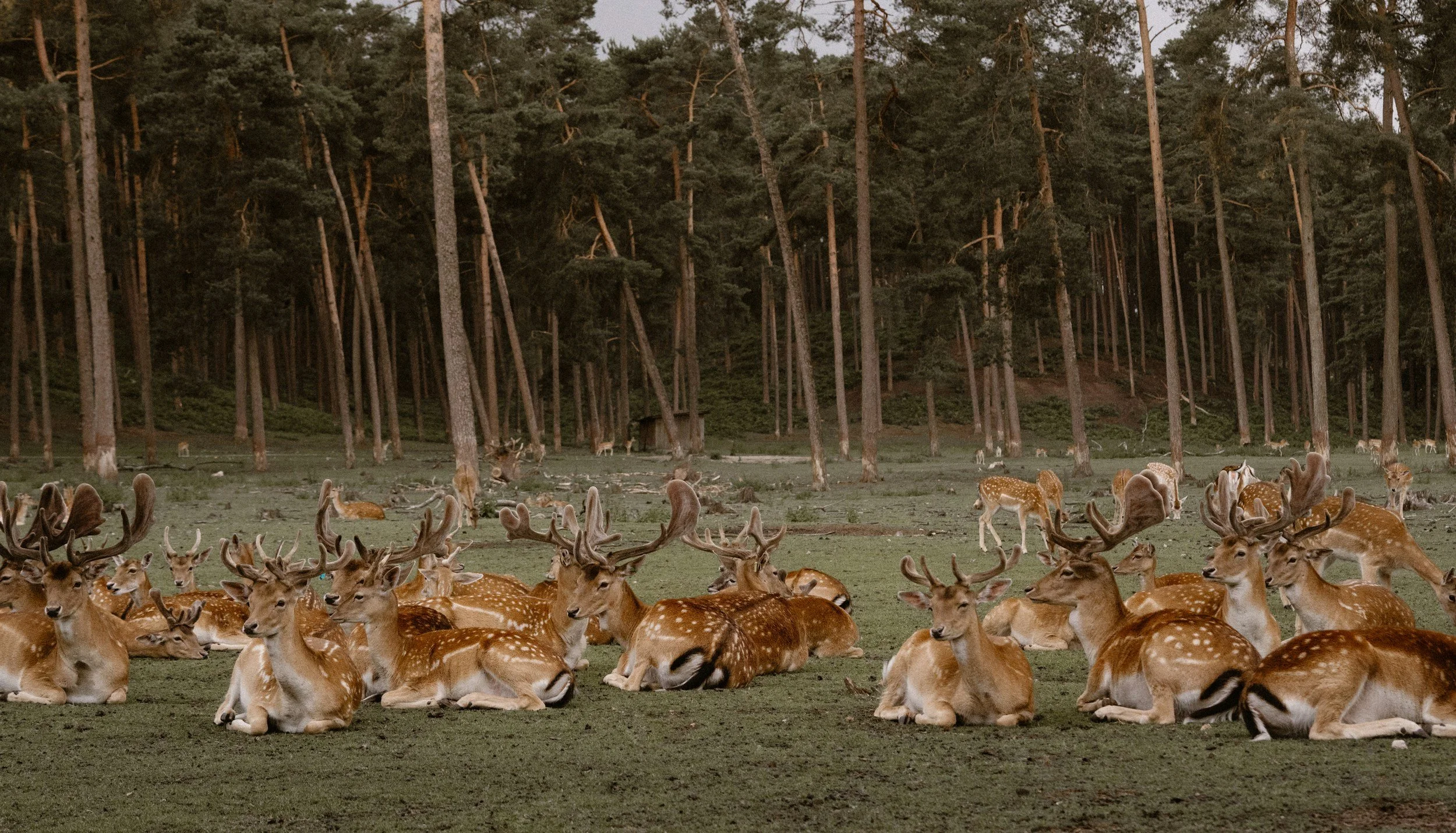
Chronic Wasting Disease has spread to Kentucky's wild deer population despite decades of regulatory effort, and the state's current framework of surveillance zones, carcass transport restrictions, and captive cervid compliance requirements imposes significant burdens on hunters and farmers while producing diminishing returns against a prion that persists in the environment for years regardless of county lines. In this blog, 2L staffer Chase Turner argues that Kentucky should complement its existing regulatory tools with a structured pilot program allowing state agencies and licensed cervid farms to collaborate on selectively breeding deer carrying less susceptible PRNPgenetic variants, drawing on peer-reviewed research demonstrating that targeted selection can dramatically reduce the frequency of highly susceptible genotypes within a herd. Rather than abandoning containment strategies, Turner calls on Kentucky policymakers to follow the emerging science and make the herd itself part of the solution by shifting some of the focus from restricting what hunters and farmers can do toward building biological resilience into the deer population

The New Kentucky Vogue: Addressing the Growing Crisis of Fast Fashion

The New Kentucky Vogue: Addressing the Growing Crisis of Fast Fashion

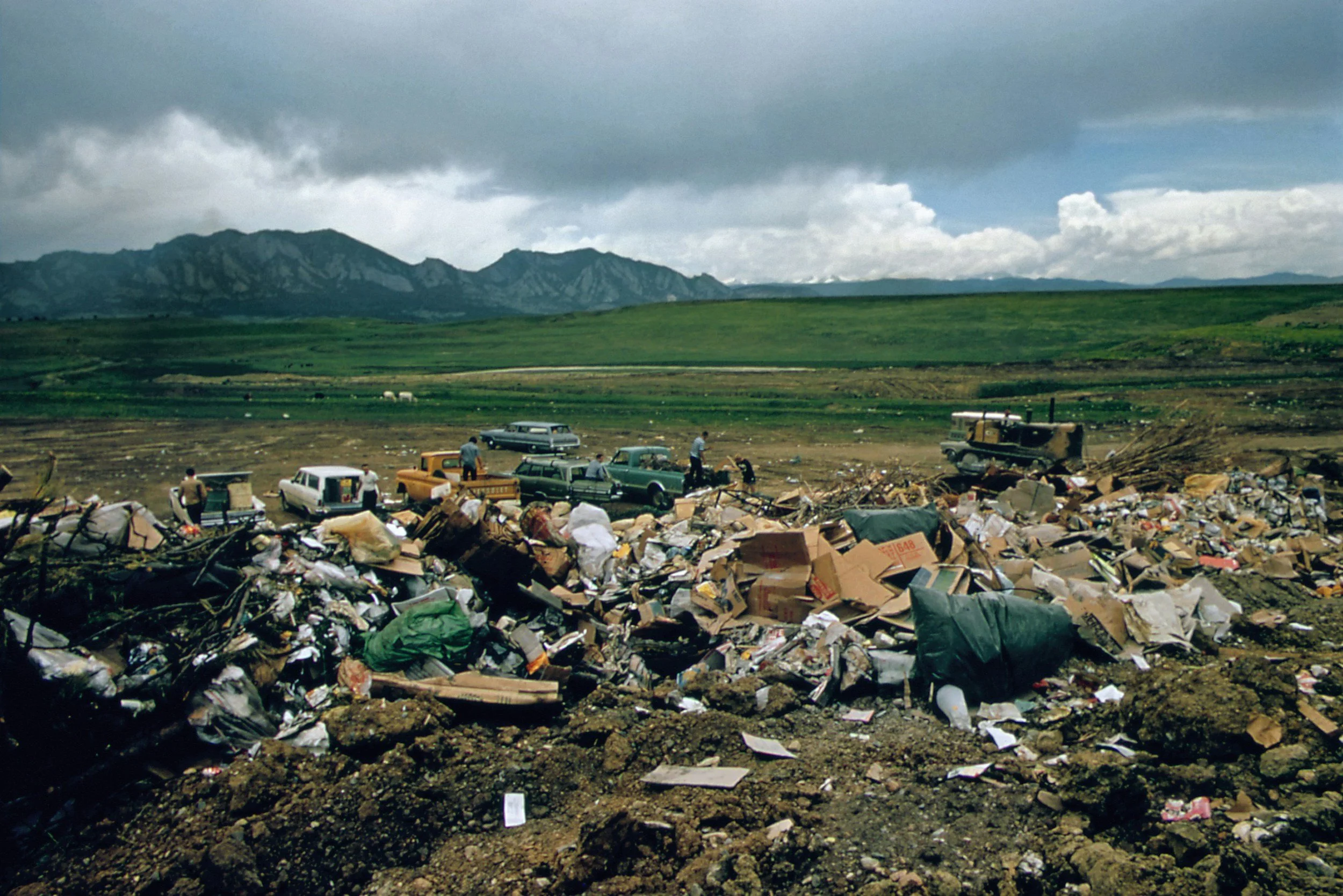
In this blog, 2L Staffer Christina Grimes examines the growing crisis of textile waste in the United States’ landfills as a result of the fast fashion industry. She highlights the serious environmental consequences of this waste, particularly from synthetic fibers commonly used in fast fashion, which can cause significant harm to the surrounding air, soil, and water. Grimes argues that Kentucky should take steps to mitigate this waste by implementing an Extended Producer Responsibility (EPR) program, similar to California’s program, which shifts the responsibility from municipalities to fashion producers for textile end-of-life accountability.

Above the Federal Floor: Examining Kentucky’s Proposed Environmental Standards

Above the Federal Floor: Examining Kentucky’s Proposed Environmental Standards

In this blog, 2L staffer Mira Talwalkar looks at the newly proposed Kentucky Senate Bill 178, which would prohibit any state environmental regulations from being more stringent than federal ones. Talwalkar argues that this bill ignores Congress’s intentions to give states freedom in determining how they implement local environmental regulations, and is especially concerning in Kentucky, where environmental toxins are present at a higher level than those nationally. 

Well, Kentucky, It’s Time to Step Up

Well, Kentucky, It’s Time to Step Up

In this blog, 2L staffer Lakyn LeMaster argues that Kentucky should adopt stronger safety precautions for private well users. She explains how current regulations leave users unnecessarily exposed to serious health risks posed by common contaminants. LeMaster recommends that Kentucky follow the lead of other states by implementing affordable water testing programs and requiring routine monitoring.

The Rise of Generative AI and Large Language Models has Taken the World by Storm

The Rise of Generative AI and Large Language Models has Taken the World by Storm

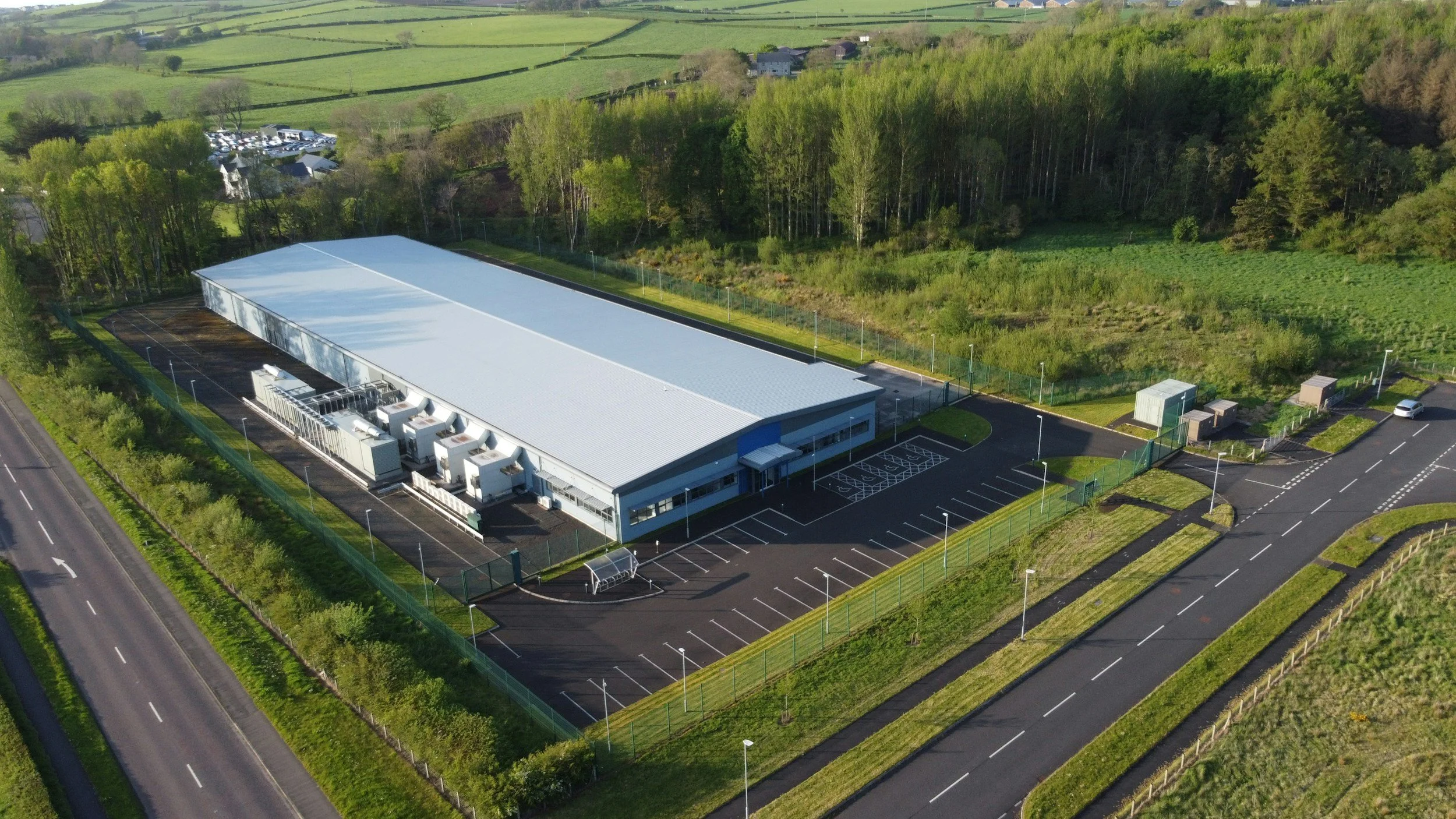
In this blog, 3L senior staffer Shelby Davidson analyzes the economic boom and rise of generative AI companies which have led states to scramble for the opportunity to capitalize on the growth, creating tax incentives to encourage the construction of new data centers. Davidson highlights the environmental threats posed by data centers, including excessive electricity and water usage, which has led to different approaches to regulation. Davidson argues Kentucky should follow Virginia’s system, with a strict regulatory framework, rather than West Virginia, which has given data centers almost entirely free rein, to the detriment of its citizens.

Taiwan’s Silicon Shield: Deterrence, Dependence, and Vulnerability

Taiwan’s Silicon Shield: Deterrence, Dependence, and Vulnerability

In this blog, 3L senior staffer Reed Burrow examines how Taiwan’s dominance in chip manufacturing has placed the island at the center of a potentially major geopolitical conflict. Burrow argues that Taiwan’s “silicon shield” remains a powerful deterrent to Chinese invasion, but warns that its strength ultimately depends on the water and energy resources needed to sustain chip production.

Who Wants the Smoke: How Kentucky Can Repurpose Tobacco Farmland as Carbon Credit Infrastructure

Who Wants the Smoke: How Kentucky Can Repurpose Tobacco Farmland as Carbon Credit Infrastructure

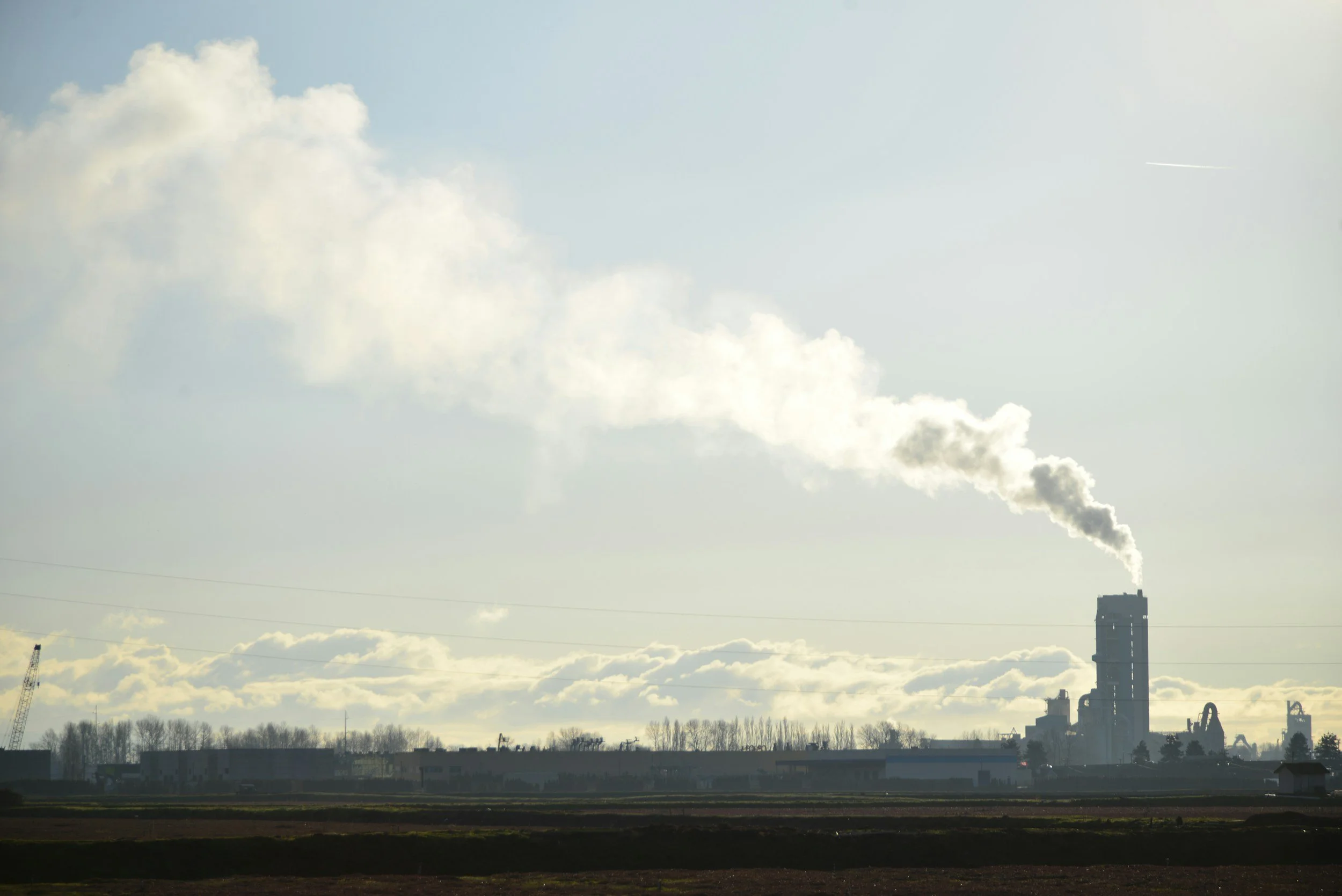
Kentucky's 67,700 farms represent an untapped opportunity in the voluntary carbon credit market, but transaction costs have kept small farmers on the sidelines of a rapidly developing global credit supply. In this blog, 2L staffer Spencer Harris argues that the Kentucky Agricultural Development Board already holds the mandate and the money through the state's $2.8 billion share of the Tobacco Master Settlement. This money can be used to subsidize the verification costs that stand between tobacco-legacy farmers and a new, recurring income stream.

Barn Weddings and Bureaucracy: The Zoning Battle Over Kentucky Agritourism

Barn Weddings and Bureaucracy: The Zoning Battle Over Kentucky Agritourism

In this blog, 3L senior staffer Caidan Drenk examines the growing tension between Kentucky’s statutory recognition of agritourism and the continued use of local zoning authority to regulate farm-based events such as weddings and festivals. He argues that although Kentucky law expressly recognizes these activities as agritourism, local land-use regulations can still create significant uncertainty for farmers seeking to diversify their operations. Drenk contends that the Kentucky General Assembly should clarify the relationship between agritourism statutes and local zoning authority to better protect working farms and promote agricultural sustainability.