
Blog by: Caiden Drenk
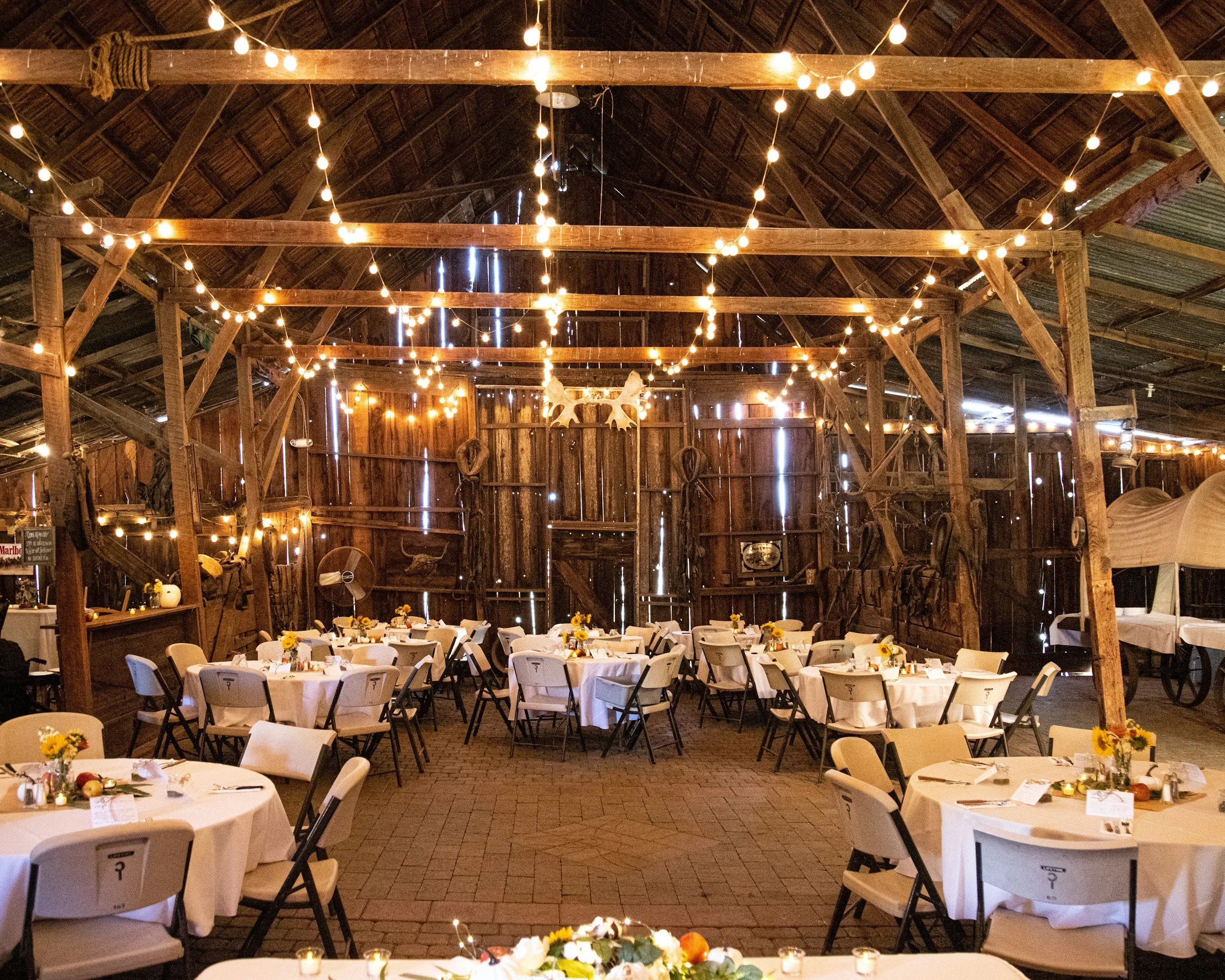
Across Kentucky, many family farms increasingly rely on diversified activities such as corn mazes, farm tours, seasonal festivals, and wedding events to supplement traditional agricultural income.[1] Agritourism has become an important diversification strategy for farms nationwide generating more than $1.26 billion in revenue in 2022 alone.[2] Kentucky law expressly recognizes these activities as part of modern agriculture through its agritourism statutes.[3] The General Assembly defines an “agritourism activity” as visiting a farm, ranch, or agribusiness operation for recreational, educational, or entertainment purposes.[4] The statute further specifies that qualifying agritourism activities may include ceremonial activities such as weddings and ancillary events conducted on agricultural land.[5]
Despite this statutory recognition, farms that host events often encounter regulatory uncertainty when local zoning authorities classify those activities as commercial venue operations rather than agricultural uses.[6] Kentucky’s agritourism statutes reflect a broader legislative goal of supporting the economic viability of working farms through diversified agricultural activities. The Commonwealth established an agritourism program to promote agritourism businesses and encourage growth in the industry throughout the state.[7] Kentucky law also provides liability protections for agritourism operators who post statutory warning notices informing visitors that participation in agritourism activities involves inherent risks.[8] Together, these provisions demonstrate that the Kentucky Legislature views agritourism as a legitimate extension of agricultural operations rather than a separate commercial enterprise.

When farms host weddings, festivals, or educational events on working agricultural land, they engage in activities the legislature has expressly recognized as agritourism.[9] Local zoning regulations, however, can complicate that policy.[10] Counties and municipalities regulate land use through zoning ordinances designed to preserve rural character and prevent incompatible development.[11]
For example, Fayette County’s Agricultural Rural zoning district aims to protect farmland and discourage urban and suburban expansion within said rural service area.[12] These policies serve important land-use goals, but they can create regulatory questions when farms host public events that attract visitors in large numbers. If local officials classify farm weddings or festivals as public assembly uses or commercial venues rather than agricultural activities, farms may face permit requirements or zoning restrictions that do not apply to traditional farming and agritourism operations.[13] Legal practitioners advising Kentucky agritourism operators have observed that farmers attempting to host events on agricultural land are often surprised by the regulatory hurdles involving zoning, fire codes, and building requirements.[14]
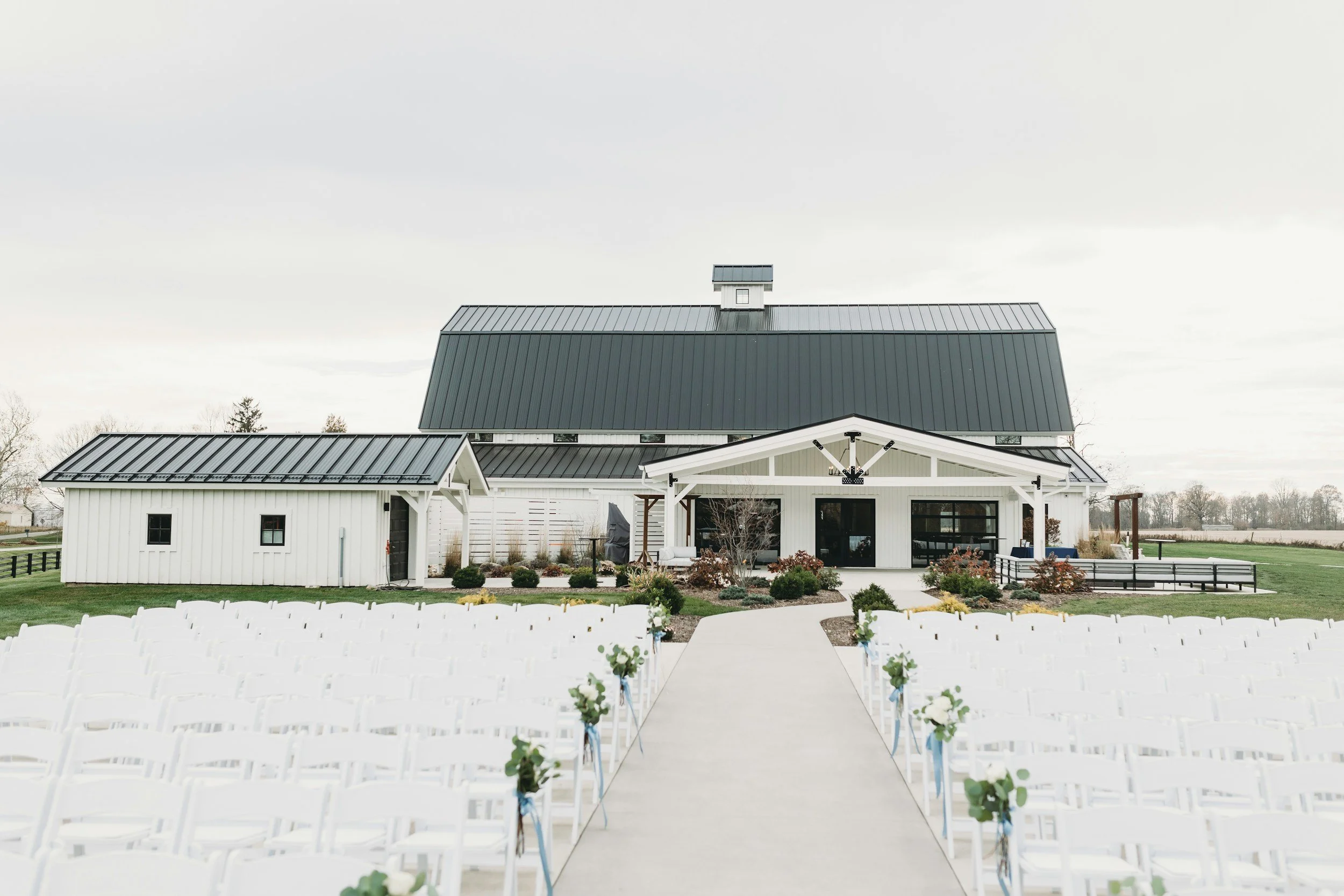
Courts in nearby jurisdictions illustrate how easily these disputes arise. In Lusardi v. Caesarcreek Township Board of Zoning Appeals, an Ohio appellate court upheld a zoning decision refusing to treat outdoor farm weddings and receptions as protected agritourism activities.[15] The court concluded that the proposed events lacked sufficient connection to agricultural production and therefore remained subject to local zoning restrictions.[16]
Although Kentucky courts are not bound by Ohio precedent, the case demonstrates how zoning authorities can restrict farm-based events when statutes do not clearly resolve the relationship between agritourism and local land-use regulations. The stakes in these disputes extend beyond weddings and festivals. Agritourism allows farms to generate additional revenue while maintaining agricultural production and preserving rural landscapes. At the same time, Kentucky’s farm sector has faced long-term structural pressures, shown in the fact that the number of farms in Kentucky declined from almost 76,000 in 2017 to just under 70,000 in 2022.[17]
Diversified income streams such as agritourism can help offset those pressures and support the continued operation of family-owned farms.[18] Kentucky lawmakers have begun to recognize the need for greater clarity regarding agritourism and local regulation.[19] Senate Bill 45, introduced during the 2026 legislative session, proposes amendments addressing the relationship between agritourism activities and local regulatory authority.[20] The proposal reflects concern that inconsistent local regulation may limit the economic opportunities agritourism provides to Kentucky farms.
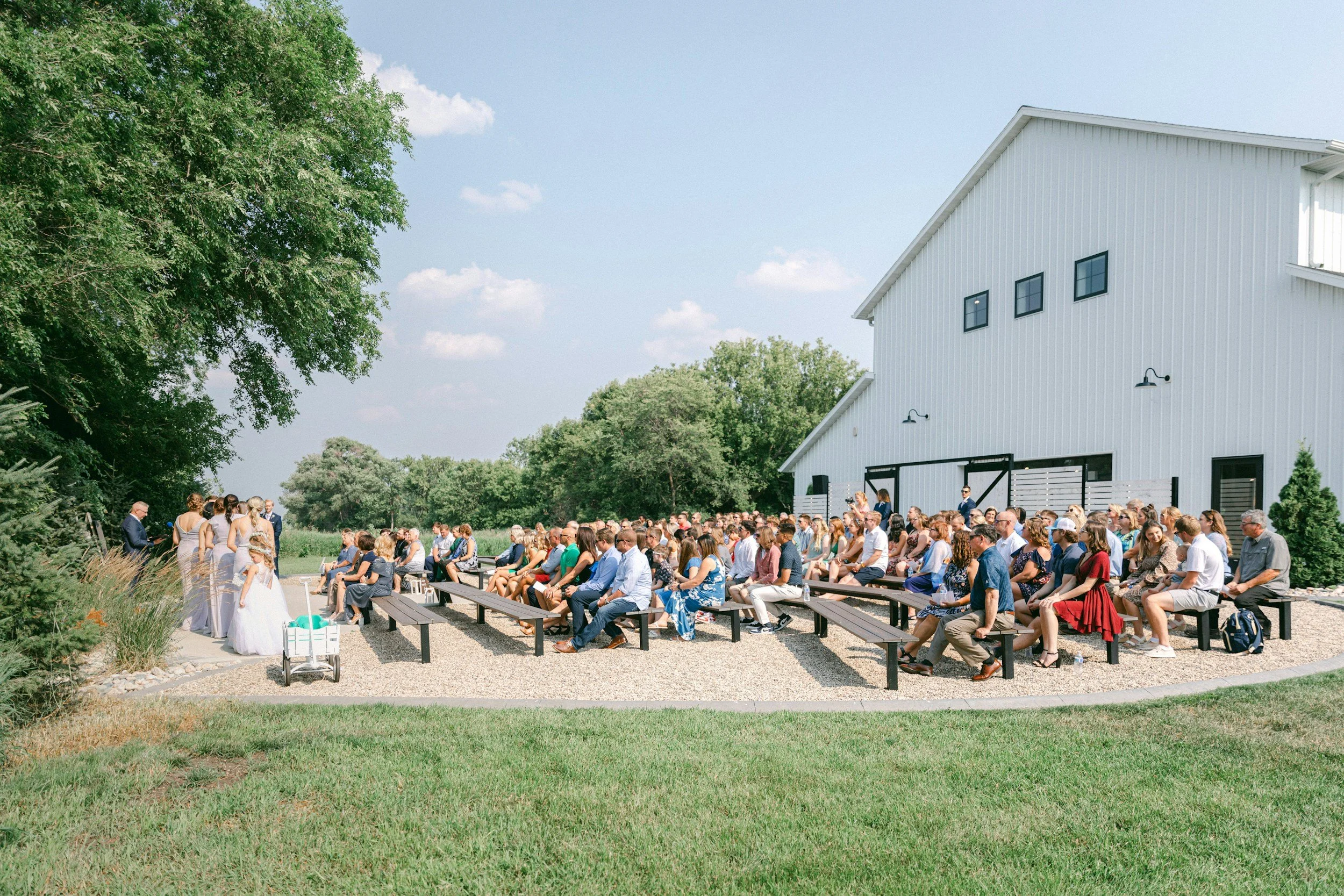
While the bill would not eliminate local zoning authority entirely, it signals legislative interest in strengthening statutory protection and expanding the definition of agritourism activities.[21] Kentucky’s current agritourism statutes already acknowledge the inclusion of weddings (not without limits or local autonomy, rather the statutes say that weddings “may” be included), but this statutory recognition alone does not resolve the tension between the statewide policy and local zoning hurdles for farmers.[22]
If Kentucky intends to preserve family farms by encouraging and protecting diversified revenue streams, the legislature should clarify that qualifying agritourism activities conduced on working farmland receive meaningful protection from conflicting local zoning restrictions. Clearer statutory guidance would help ensure that agritourism remains a viable tool for sustaining Kentucky’s agricultural economy while preserving the rural landscapes that state agricultural policy seeks to protect.
[1] 2022 Census of Agriculture: The Majority of U.S. Counties Generate Some Agritourism Income, U.S. Dep’t of Agric., Econ. Research Serv., (Dec. 5, 2024), https://www.ers.usda.gov/data-products/charts-of-note/chart-detail?chartId=110552 [https://perma.cc/Y987-ZK3E].
[2] Id.
[3] Ky. Rev. Stat. § 247.801.
[4] Id.
[5] Id.
[6] Special Events on the Farm, Ky. Dep’t of Agric., https://www.kyagr.com/marketing/documents/AT_Special_Events.pdf [https://perma.cc/47DS-XTCZ].
[7] Ky. Rev. Stat. § 247.800.
[8] Ky. Rev. Stat. § 247.809.
[9] Ky. Rev. Stat. § 247.801.
[10] Lexington-Fayette Urban Cnty., Ky., Code of Ordinances § 8-1.
[11] Id.
[12] Id.
[13] Special Events on the Farm, Supra note 6.
[14] Luke Morgan, Getting More Green from Your Farm: Agritourism, McBrayer PLLC, (September 13, 2018) https://www.mcbrayerfirm.com/blogs-hospitality-law-blog,getting-more-green-from-your-farm-agritourism [https://perma.cc/9FDP-3FBB].
[15] Lusardi v. Caesarscreek Twp. Bd. of Zoning Appeals, 2020-Ohio-4401 (Ct. App.).
[16] Id.
[17] U.S. Census of Agriculture Shows Growth for Kentucky Agricultural Products, Ky. Dep’t of Agric., (Feb. 2024) https://www.kyagr.com/ky-agnews/press-releases/2024/US-Census-of-Agriculture-shows-growth-for-Kentucky-agricultural-products.html [https://perma.cc/26QY-5Y5C].
[18] 2022 Census of Agriculture, supra note 1.
[19] See Ky. S.B. 45, 2026 Reg. Sess.
[20] Id.
[21] Id.
[22] Special Events on the Farm, supra note 6.