
Blog By: Chase Turner
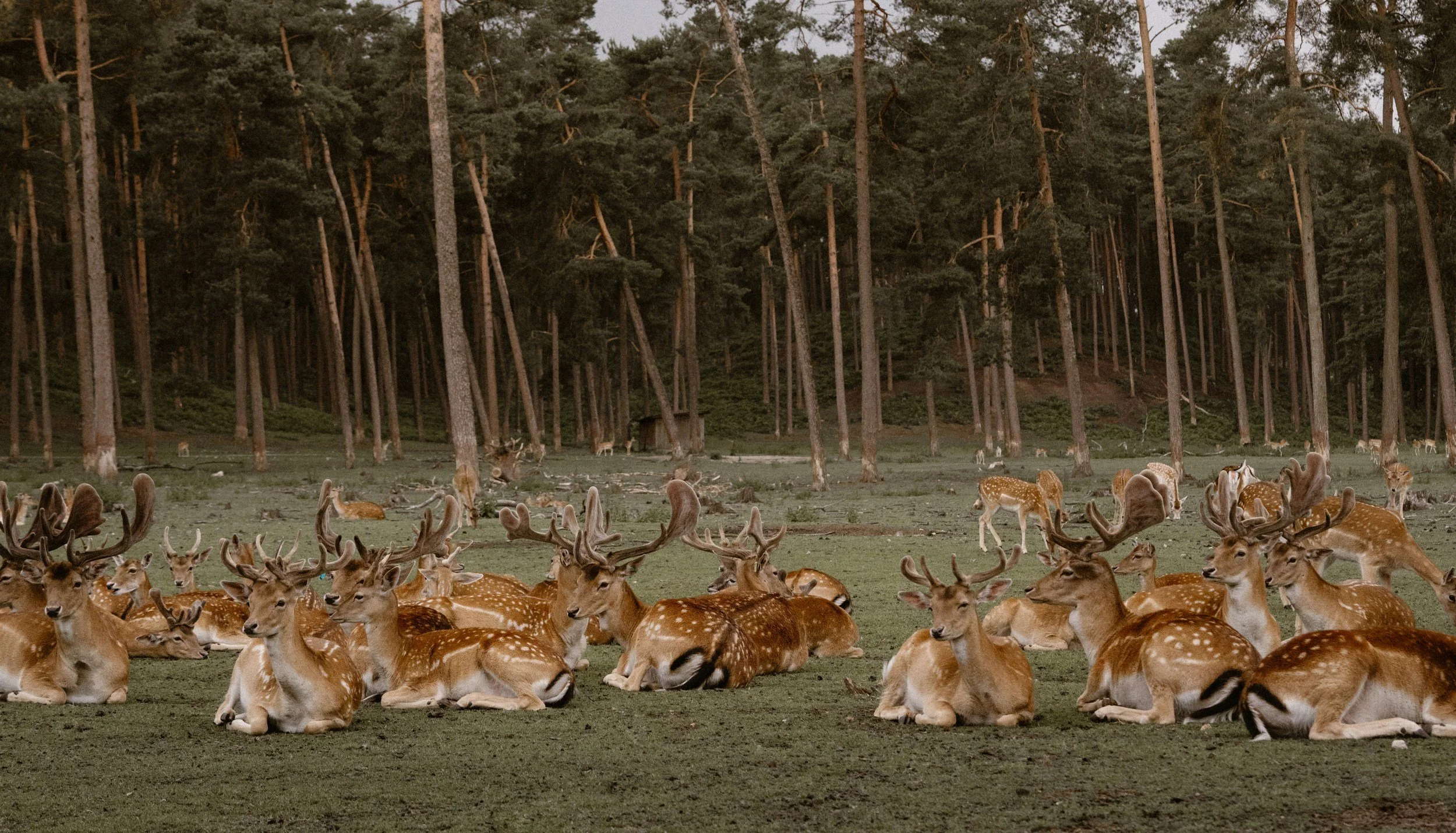
Think of Chronic Wasting Disease (“CWD”) as a slow wildfire. You can build firebreaks, and those firebreaks buy time. However, the fuel for the fire is already everywhere and the fire finds a way through. CWD works the same way, and Kentucky has spent the better part of two decades building firebreaks. The disease, a fatal prion disorder that destroys the neurological systems of deer, elk, moose, and caribou, has now swept through thirty-six states and five Canadian provinces.[1] Both Ballard and Pulaski County have detected the disease within the last few years.[2] The Kentucky Department of Fish and Wildlife Resources (“KDFWR”) responded by implementing surveillance zones across twenty-three counties, carcass transportation restrictions, and tighter control on captive cervid farms.[3] These tools, while appropriate at first glance, are just not enough on their own anymore, and the cost of running them keeps being laid at the feet of hunters and cervid farmers who’ve done everything asked of them.
Kentucky’s statutory framework provides guidance on these issues. KRS § 150.470 lets the state regulate wildlife transportation and possession to limit disease spread.[4] KRS § 257.550, together with 302 KAR 22:150 and 301 KAR 2:095, piles additional requirements onto captive cervid operations such as rigorous inventories, veterinary oversight, individual animal tagging, and movement controls.[5] The USDA’s Animal and Plant Health Inspection Service (“APHIS”) runs its Voluntary Herd Certification Program (“HCP”) under 9 C.F.R. parts 55 and 81, demanding specialized fencing, individual animal identification, and five straight years of clean surveillance before a farm is eligible to earn a “low risk” status and the right to move animals across state lines.[6] For hunters working inside the surveillance zone, that stack of rules translates into mandatory check-ins, bait and feeding restrictions, and limits on transporting harvested deer alongside penalties that can run from fines all the way to losing hunting or firearm rights.[7] That’s a lot to ask of people who just want to hunt and run a farm or game ranch.
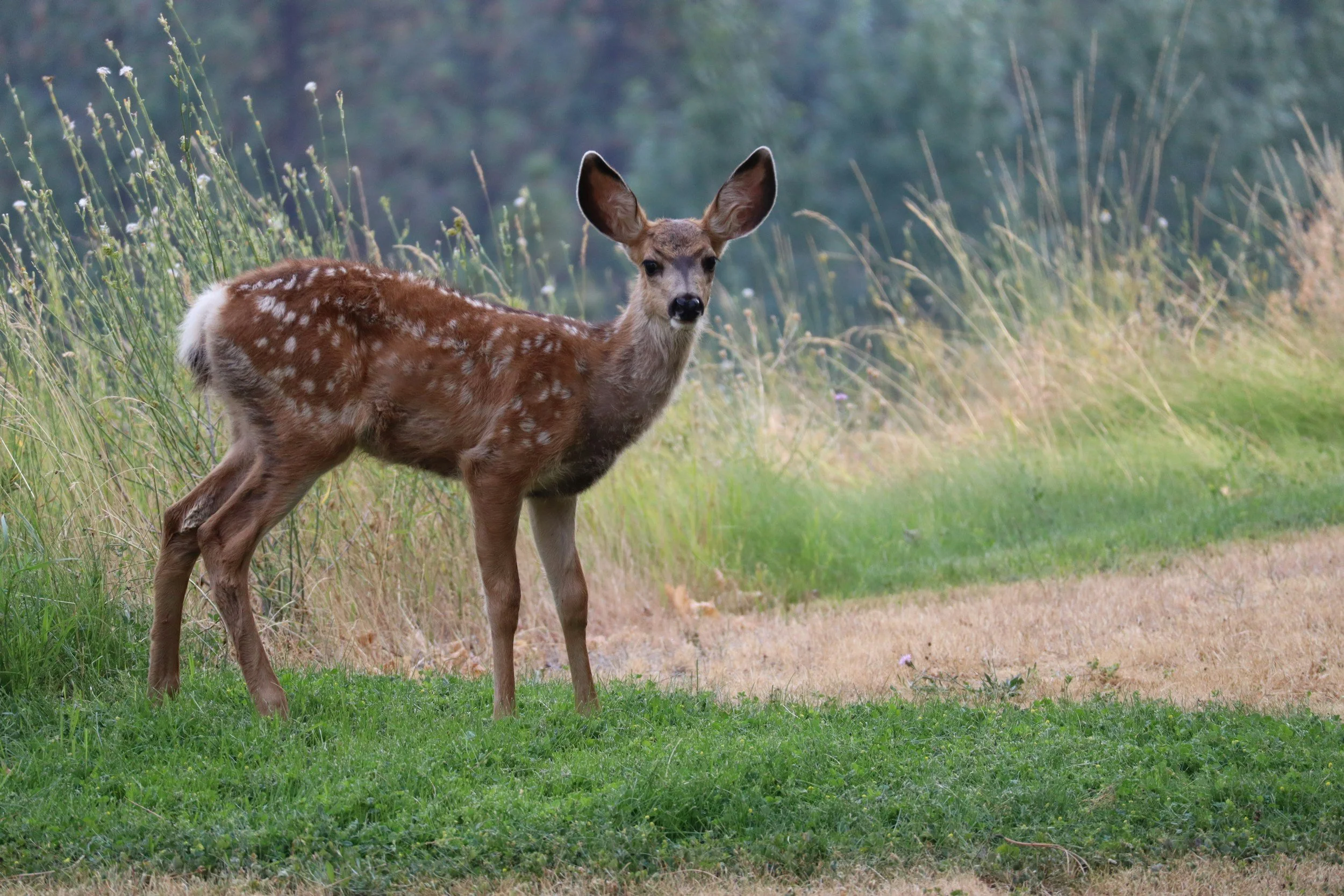
The stubborn biological truth underpinning these regulations is that CWD prions do not care about county, state, or federal lines. Once an infected deer dies in a field, its prions bind to soil minerals and plant tissue and stay infectious for years, sometimes decades, long after the carcass is gone.[8] Researchers modeling epidemic data from Colorado, Wyoming, and Wisconsin found that as the environmental prion pool build up, interventions like culling become less and less effective over time.[9] KDFWR have tested more than sixty thousand deer and a thousand elk since 2002, and yet the disease still arrived all the same.[10] No state in the country has ever eliminated CWD from free ranging wild populations once it took hold, and its geographic reach has grown without interruption since researchers first spotted it in Colorado in 1967.[11]
The costs of running this gauntlet of regulation falls hardest on farmers and hunters. Cervid farmers navigating the federal HCP face years of compliance costs including mandatory fencing, mortality testing for every animal that dies, and a five-year clock while the entire herd is at risk of culling after a single positive test.[12] During the mandatory sampling seasons, hunters in the surveillance zone must report their harvests via telecheck, submit a sample at a drop off site, and debone any deer they wish to harvest and transport out of the zone.[13] When compliance costs stay high while benefits seem uncertain, voluntary cooperation is at risk of deterioration, and in wildlife management, voluntary cooperation is at the heart of an effective operation.
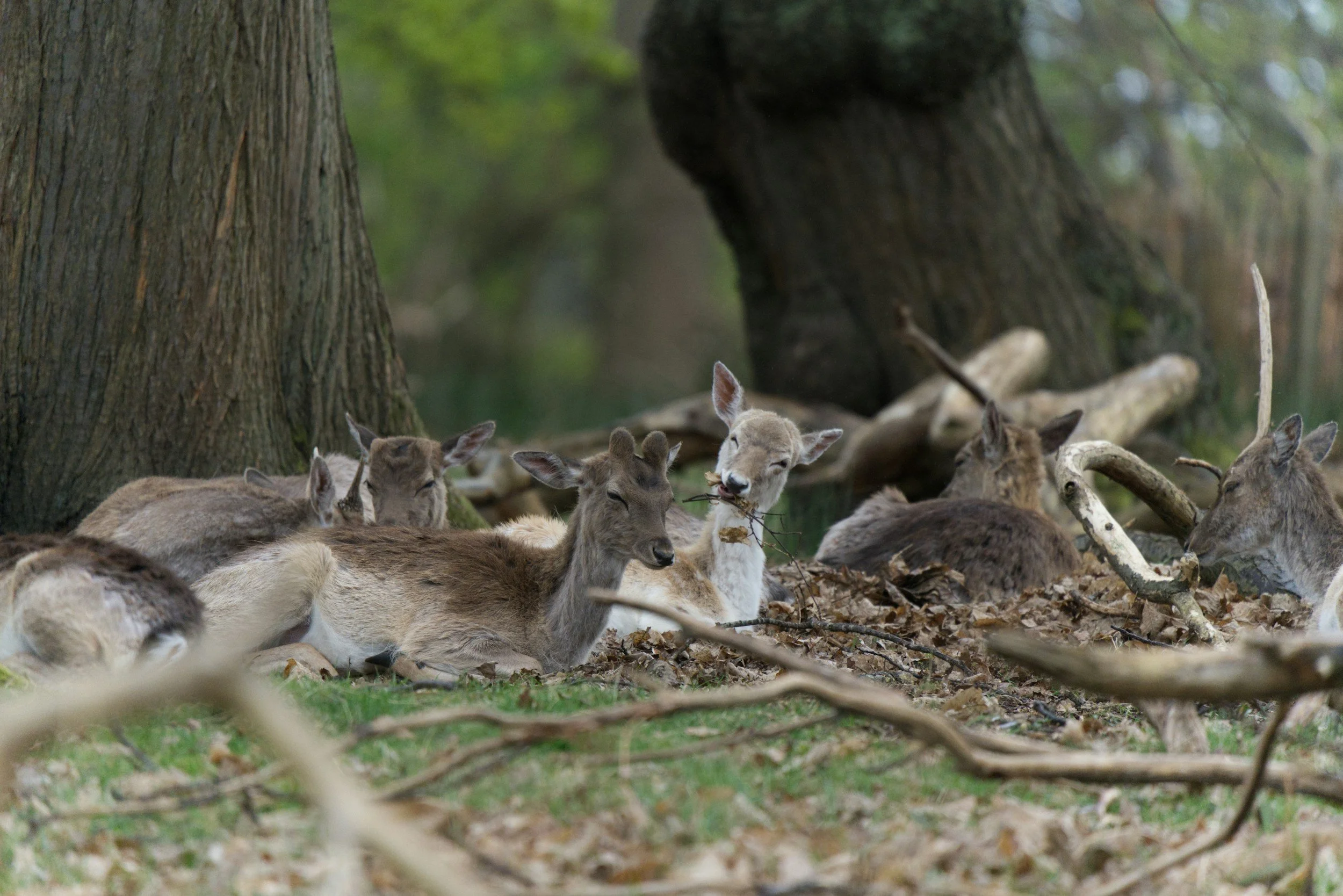
Fortunately, the research community has been looking at this problem from a different perspective. Scientists have identified genetic variants in the prion protein gene, PRNP, that meaningfully reduce a deer’s susceptibility to CWD.[14] In white tail deer, polymorphisms at codon 96 of PRNP significantly affect how likely an animal is to contract the disease and how fast is progresses once infected.[15] Deer with at least one 96S allele get infected less often and the disease generally progresses slower.[16]
In 2021, a research team at Midwestern University published findings in Genes from a selective breeding program running on CWD endemic hunting preserves. By deliberately selecting animals for carrying certain alleles the team pushed the frequency of the susceptible genotype down from over eighty percent of the breeding herd to less than ten percent.[17] Further, the playbook for this type of action to combat disease already exists. Farmers and scientists in Europe have already accomplished targeting scrapie-resistant genotypes in sheep produced declines in that prion disease across North American and European flocks. The question now is whether or not Kentucky wants to read that playbook and implement it.
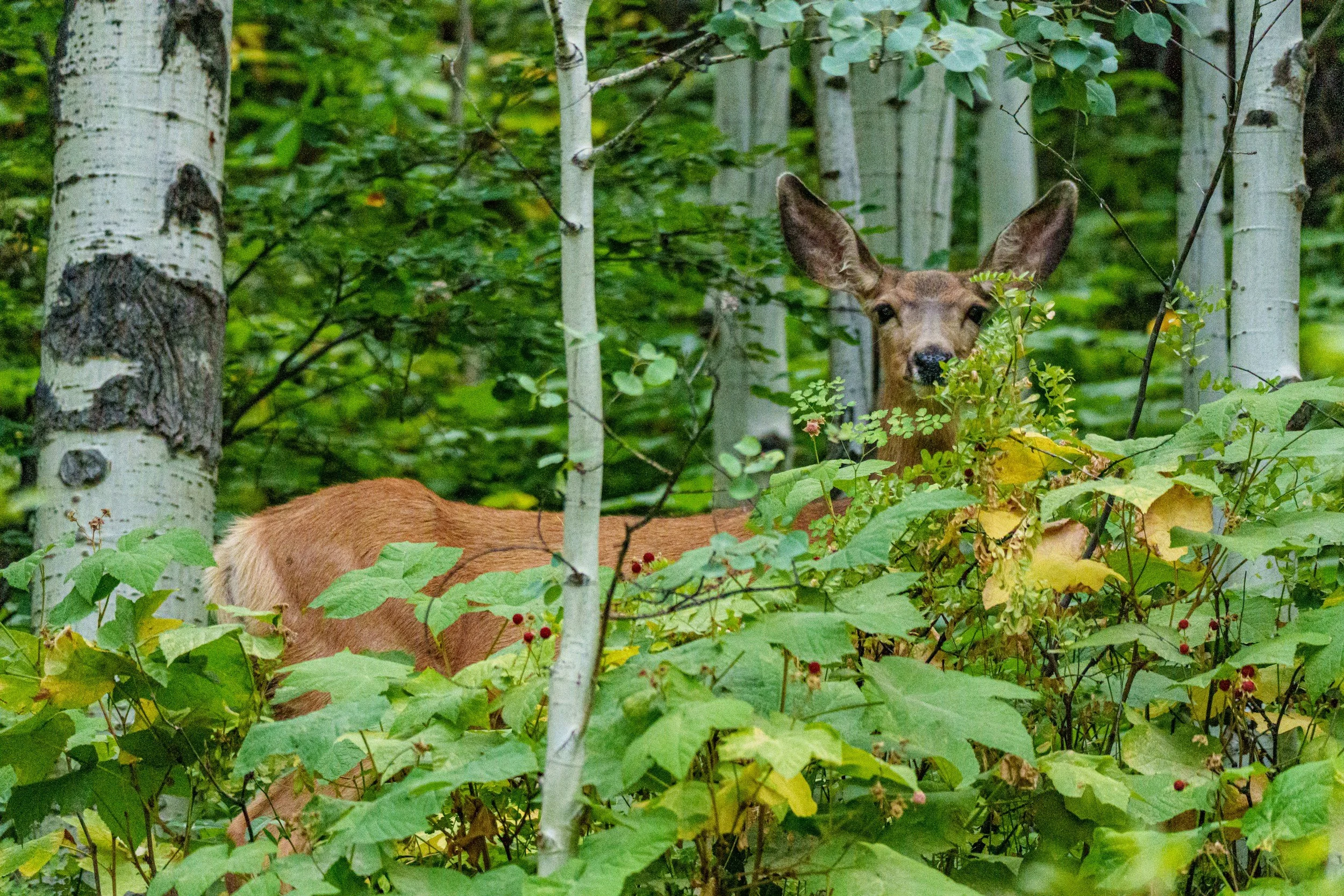
In 2024, Oklahoma enacted the Chronic Wasting Disease Genetic Improvement Act, becoming the first state to write genetic resistance into law.[18] The statute directs Oklahoma’s Department of Agriculture to build a captive breeding program around CWD resistant genetic markers, establish a PRNP baseline for wild deer statewide, and eventually allow the purchase and release of genetically vetted captive-bred deer onto private land. Conservation groups pushed back hard, raising concerns about releasing captive animals into the wild and the risk of unintended ecological concerns.[19]
Kentucky does not need to copy Oklahoma’s approach exactly but should structure a pilot program allowing KDFWR and the Kentucky Department of Agriculture to work directly with licensed, APHIS-enrolled cervid farms to build and study genetically characterized breeding lines. The initial goals would be to confirm whether selective breeding reduces CWD prevalence, as well as to gather further data on prion shedding in animals with resistant genotypes while still beginning to draft the regulatory scaffolding for any future expansions.
CWD will not be regulated out of existence and dozens of other states have tried the same toolkit for years while the disease marches along.[20] Kentucky’s surveillance and containment programs reflect a genuine effort to build that firebreak; but the fire is in the forests and it’s time to consider a way to make the herd itself part of the answer.
[1] U.S. Geological Survey, Expanding Distribution of Chronic Wasting Disease, https://www.usgs.gov/centers/nwhc/science/expanding-distribution-chronic-wasting-disease (last accessed Mar. 28, 2026) [https://perma.cc/ZQV9-QGFN].
[2] Ky. Dep’t of Fish & Wildlife Res., Chronic Wasting Disease, https://fw.ky.gov/Wildlife/Pages/Chronic-Wasting-Disease.aspx (last accessed Mar. 28, 2026) [https://perma.cc/K53G-AXZL].
[3] Ky. Dep’t of Fish & Wildlife Res., CWD Surveillance Zone, https://fw.ky.gov/Wildlife/Pages/CWD-SurveillanceZone.aspx (last accessed Mar. 28, 2026) [https://perma.cc/S9H6-MZK4].
[4] KRS § 150.470.
[5] KRS § 257.550; 302 KAR 22:150; 301 KAR 2:095.
[6] USDA Animal & Plant Health Inspection Serv., CWD Voluntary Herd Certification Program, https://www.aphis.usda.gov/livestock-poultry-disease/cervid/chronic-wasting/herd-certification (last accessed Mar. 28, 2026) [https://perma.cc/H65T-SQTX].
[7] Ky. Dep’t of Fish & Wildlife Res., supra note 3.
[8] Emily S. Almberg et al., Modeling Routes of Chronic Wasting Disease Transmission: Environmental Prion Persistence Promotes Deer Population Decline and Extinction, PLOS One, May 13,2011, https://doi.org/10.1371/journal.pone.0019896 (last accessed Mar. 28, 2026) [https://perma.cc/R5RX-FLMY].
[9] Id. (finding that “management interventions, such as culling or vaccination, will become increasingly less effecting as CWD epidemics progress”).
[10] Ky. Dep’t of Fish & Wildlife Res., supra note 2.
[11] U.S. Geological Survey, supra note 1.
[12] USDA Animal & Plant Health Inspection Serv., supra note 6.
[13] Ky. Dep’t of Fish & Wildlife Res., supra note 3.
[14] Stacie J. Robinson et al., The Role of Genetics in Chronic Wasting Disease of North American Cervids, 6 Prion 153, 155-57 (2012).
[15] Id.
[16] Nicholas Haley et al., Selective Breeding for Disease-Resistant PRNP Variants to Manage Chronic Wasting Disease in Farmed Whitetail Deer, 12 Genes 1396 (2021).
[17] Id. at 1397 (noting that selective breeding for scrapie-resistant PRNP variants in sheep produced steep declines in the disease across North American and European Flocks).
[18] Okla. Stat. tit. 2, §§ 16-28.1 to 16-28.5 (2024) (Chronic Wasting Disease Genetic Improvement Act).
[19] Nat’l Deer Ass’n, Action Alert: Contact Governor Stitt to Veto HB 3462, https://deerassociation.com/ok-hb3462/ (last accessed Mar. 28, 2026) [https://perma.cc/CQ9A-UKT6].
[20] U.S. Geological Survey, supra note 1.