The Kentucky Journal of Equine, Agriculture, and Natural Resources Law
UPCOMING EVENTS
March 27, 2026 - KJEANRL Volume 18 Symposium titled “Using the Law to Support Farmers”
PUBLICATIONS
Note by: Henry O. Cashen
A circuit split existed in determining whether a conveyance of pollutants through groundwater and into navigable water constituted a violation of the Clean Water Act. Although the Supreme Court attempted to resolve the issue in 2020, Notes Editor Henry Cashen argues that the Court’s guidance is insufficient to direct lower courts in their analyses. Cashen advocates for a mutli-factored balancing test to determine whether a direct discharge of a pollutant or its “functional equivalent” violates the Clean Water Act’s provisions, regardless of the conveyance method.
Article by: Robin Kundis Craig
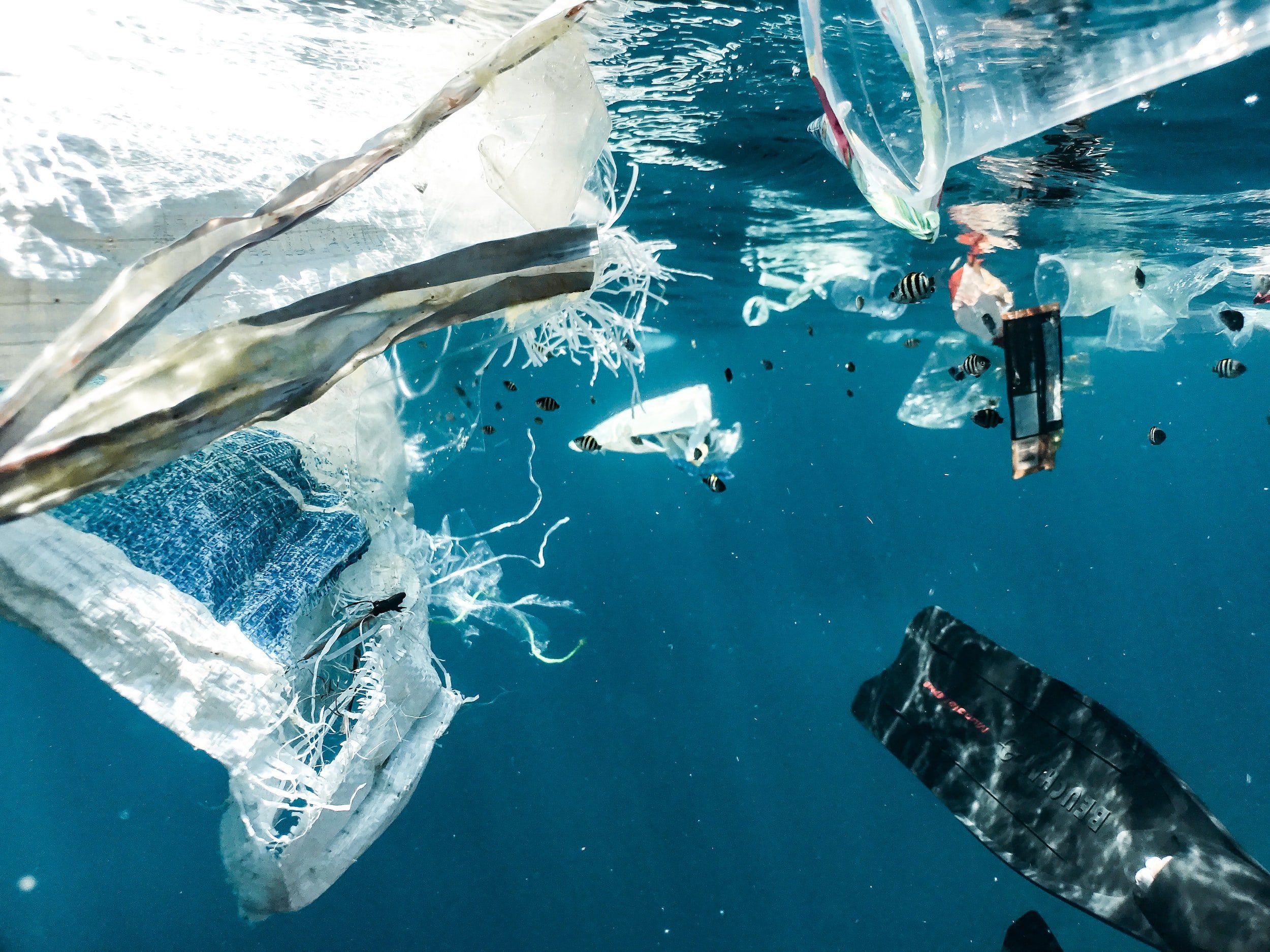
The quality of costal water remains an environmental and economic concern in the United States. In this article University of Southern California Gould School of Law Robert C. Packard Trustee Chair in Law Robin Craig explores the intersection of the Clean Water Act with the ocean and pushes for more to be done to improve ocean water quality.
Note by: Bennett Tuleja
Workers’ compensation laws provide compensation for employees injured on the job. In Kentucky, agricultural workers are barred from receiving workers’ compensation benefits. In this note, Notes Editor Bennett Tuleja argues that this agricultural exemption should be amended or repealed to mitigate its harmful effects on agricultural workers.
Note by: Zachary Mills
The bourbon industry is particularly prominent in Kentucky. In this note, Editor-in-Chief Zachary Mills explores the environmental hazards associated with the bourbon industry. Mills ultimately argues for changes to Kentucky’s regulatory structure in order to promote sustainable industry growth.
BLOGS
In this blog, 2L staffer Emma Jury illustrates how popular media often suggests that nature thrives when there is human withdrawal rather than human engagement. she examines how the Wilderness Act of 1964, though celebrated by some, now limits important scientific research and disregards Indigenous land stewardship in many laws. Jury contends that reimagining the wilderness and rewriting our laws to include responsible human use and protection may be essential to preserving our ecosystems and our unique biodiversity.
In the face of growing global competition, the U.S. accelerates its decoupling from China’s monopoly on critical minerals. The American legal landscape, however, prohibits continuity in the pursuit of mineral independence. In this blog, 2L staffer Lexi Frazier argues that the Congressional Review Act is a vital tool for establishing regulatory certainty in pursuing mineral projects, so long as Congress exercises scrutiny in protecting projects that genuinely implicate national security.
In this blog, 2L staffer Lauren Barnhorn highlights how the United States has shifted its tone from international cooperation concerning outer space to privatization and utilization of space’s resources for its own economic and military interests. Barnhorn illustrates how this shift does not comport with the signed Outer Space Treaty’s ban on national appropriation and its requirement for the peaceful uses of outer space. She argues in order to guarantee scientific discoveries and promote the interests of all mankind, the United States must abide by international law.
In this blog, 2L staffer Conner Jackson examines how federal trade policy and retaliatory tariffs on bourbon exports have affected Kentucky's agricultural sector. He contends that trade retaliation directed at bourbon exports creates an economic harm that extends beyond distilleries to Kentucky agricultural producers. Based on past state responses and existing statutory frameworks, he argues that Kentucky can adopt a loss-based compensation program to support its farm producers amid the current trade disputes.
In this blog, 2L staffer Johnna Adams argues that the Second Chance Act (SCA), which has already been proven effective at reducing recidivism, should be expanded to include equine-assisted rehabilitation programs. Adams explains how these programs help participants overcome unique challenges that traditional rehabilitation models often fail to address through hands-on work with horses. Adams contends that by broadening the SCA’s coverage, recidivism can be further reduced without the need for additional spending.
In this blog, 3L Staffer Jacob Krummen examines Kentucky House Bill 630, introduced in the 2025 Regular Session in order to change eminent domain laws in Kentucky, protect certain uses of land, and strike a balance between development and conservation. Krummen argues the proposed changes in the bill would substantially impair the development of critical infrastructure in Kentucky and should undergo significant revisions before it is made into law.
Many fear the health effects of PFAS “forever chemicals,” which have permeated our environment and are now present in our food, water, and everyday products. In this blog, 2L staffer Holly Lefevre explores the growing concern over the presence of these chemicals in breastmilk and the legal and policy failures that allowed this situation to develop. She highlights the critical steps that policymakers, corporations, and communities must take to help protect infants and families.
Heirs' property ownership is increasingly unstable and fragmented. In this blog, 3L Senior Staffer Ben Bertram argues for the implementation of the Uniform Partition of Heirs' Property Act to protect family-owned farms and ancestral land from forced sales and speculative exploitation. Bertram contends that the procedural adjustments required by the UPHPA are outweighed by the preservation of rural land ownership.
In this blog, 2L staffer Aaron Withers examines Kentucky’s emerging shift from a coal-based economy to advanced nuclear and critical-mineral projects on retired mine sites. He argues that this transition is welcome only if implemented through a community-centered legal framework with strict siting requirements, enforceable local-benefit obligations, and long-term accountability to prevent repeating past harms.
In this blog, 2L staffer Alexander Bowman tackles the issue of whether new equine inspection laws for racehorses should be extended to apply to show horses as well. Bowman discusses the new inspection laws and analyzes the benefits of them. Next, he discusses the potentially injurious effects on show horses without these inspection laws. Bowman recommends that these laws should be applied to show horses in a uniform manner through the creation of a similar independent agency like the KHRGC.
ABOUT
The Kentucky Journal of Equine, Agriculture, & Natural Resource Law (“KJEANRL”) website is an interactive blog providing legal scholars, practitioners, and students a worldwide forum to discuss compelling issues in equine, agriculture, and natural resources law. Responses to articles, notes, and comments published in the print copy of KJEANRL are strongly encouraged. Additionally, the website provides online access to previous print editions of the Journal.

Article by: Lauren Ashley Herrin
In this article, Lauren Ashley Herrin examines the impacts of new FDA veterinary stewardship regulations on backyard chicken farming in rural Georgia. She explains that requiring prescriptions for previously over-the-counter antibiotics disproportionately harms low-income and rural communities by limiting access to affordable veterinary care, worsening risks of disease spread and public health threats. Herrin argues for policy approaches that balance antimicrobial resistance concerns with the realities of rural accessibility. She proposes solutions such as telehealth veterinary consultations, scholarship programs to encourage rural veterinary practice, and expanding prescriptive authority for veterinary technicians to ensure sustainable animal health care in underserved areas