
Blog by: Lakyn LeMaster
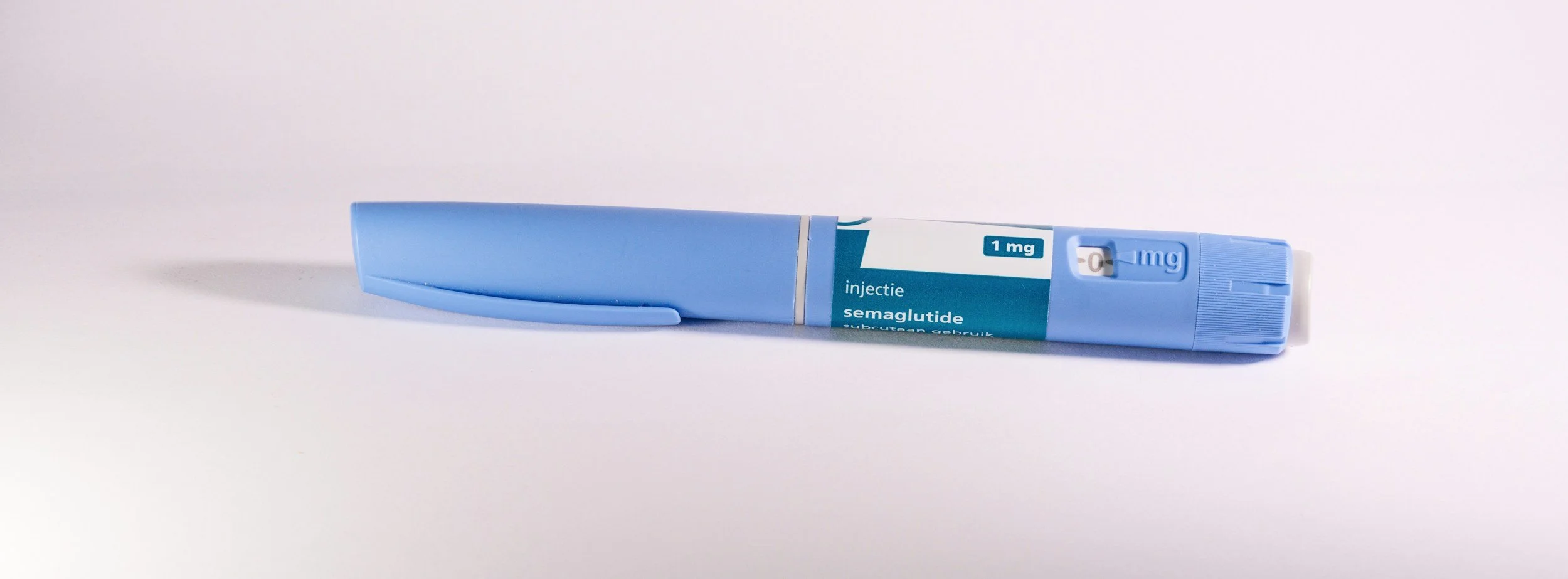
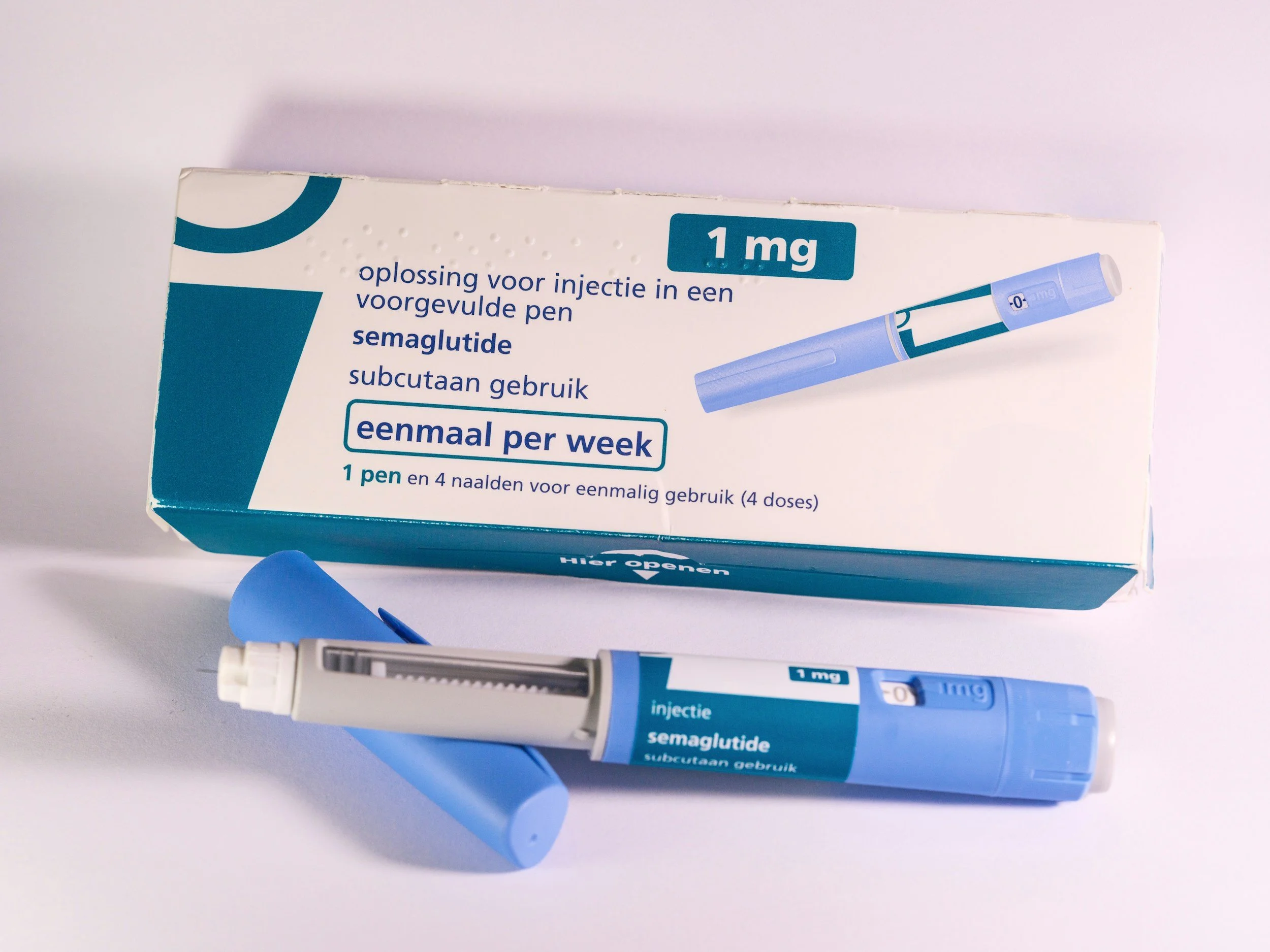
Conversations are surging surrounding the increasing use of GLP-1 medications, but agriculture officials may not be doing enough to prepare farmers for the impact these trending weight loss medications could have on consumers buying behaviors. In 2026 the percentage of U.S. adults taking a form of GLP-1 medications has risen to a shocking 11 percent, a major increase from the 3 percent of adults who reported use in 2024.[1] The GLP-1 medication was originally developed for blood sugar regulation in individuals having type 2 diabetes but are now also being used by those without diabetes for weight loss and weight management.[2] The medications work as appetite suppressants, which may lead users to consume fewer calories and, consequently, spend less on food purchases.[3] While these trends may seem to be an indication that GLP-1 medications could be a solution to America’s obesity crisis, it is still unclear how damaging the medications will be on our food producers.
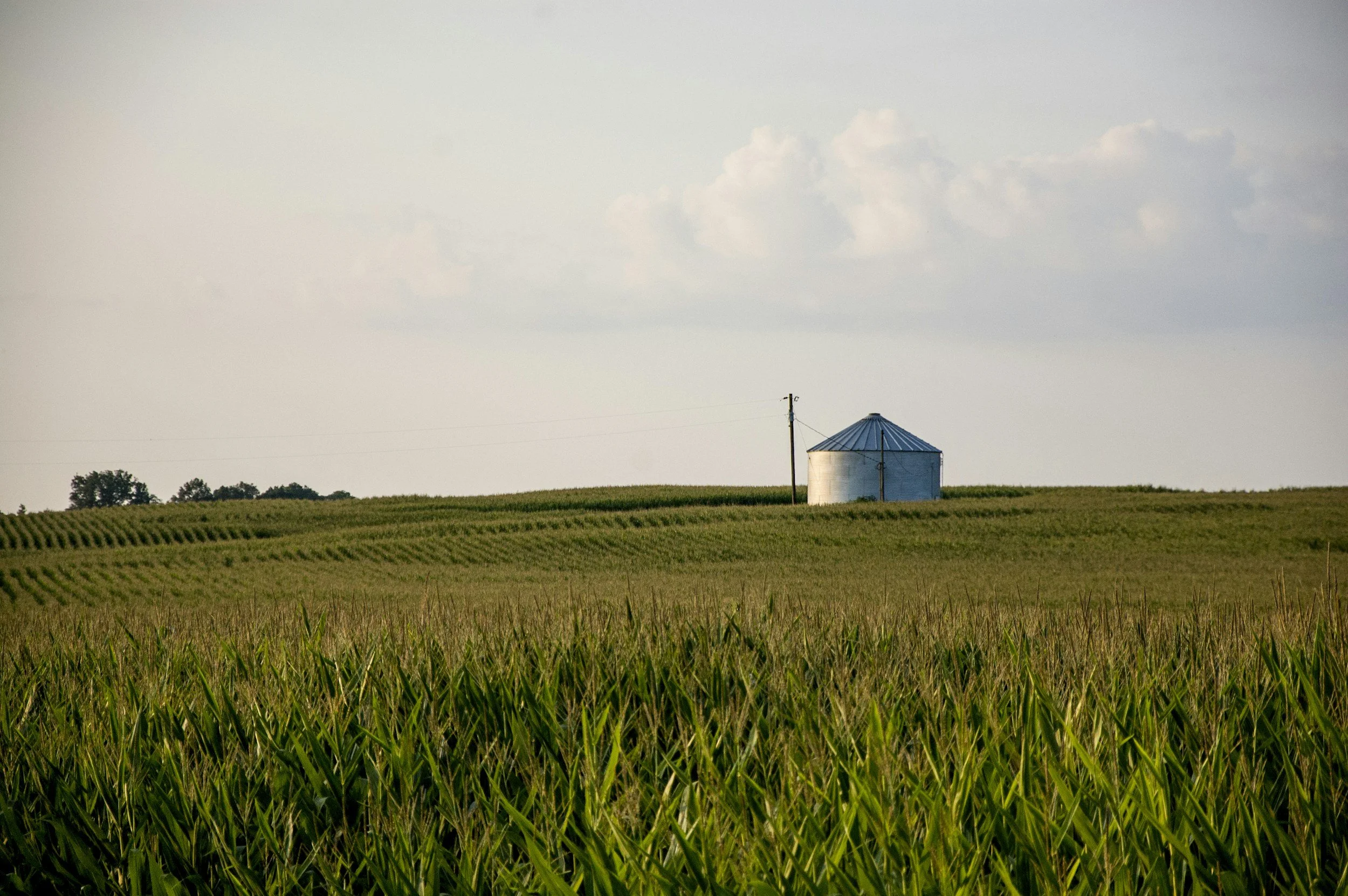
Kentucky has a rich history of agricultural success, and the industry contributes billions of dollars to the state’s economy each year.[4] In recent years, Kentucky farmers have sold agricultural products with a market value of eight billion dollars including top commodity crops like corn and soybeans.[5] These crops are economically significant in the food industry because they are widely used to produce high-fructose corn syrup, cornstarch, and soy lecithin, which serve as additives and sweeteners in calorically dense, ultra processed foods.[6] Corn and soy are also profitable because they are common ingredients used in the production of fast food with chains using soybean oil for frying and high fructose corn syrup in most sweetened menu items.[7]
A recent study indicates that households that have a GLP-1 user as a resident are changing their eating habits in significant ways as means they are spending less on food across the board, and specifically less on ultra processed foods and fast food.[8] As consumer demand decreases for food products made with corn and soy, there is a concerning risk that farmers may face reduced markets for these crops, potentially leading to increased food waste and financial instability. With such an increasing rate of Americans using these medications, this could be a serious issue for Kentucky food producers and the state’s economy as a whole.
To ensure that the state and our food producers are prepared to address this issue, the Kentucky Department of Agriculture (KDA), policymakers, and the agriculture community at large need to be closely monitoring for changes in consumers food purchases, changes in the manufacturing demand for crops, and even the rate that GLP-1 medications are being used nationally. The KDA is the appropriate authority to lead the charge on confronting this potential threat to the agriculture community because the department was created to promote the interests of agriculture and horticulture in Kentucky.[9] To proactively combat a lower demand for crops, the KDA should encourage farmers to diverse their production to include more fresh fruits and vegetables which have seen an increase in sales correlated to GLP-1 use.[10] The Agricultural Promotion Fund created by KRS 246.245 is allocated to the Department of Agriculture for the purpose of purchasing materials for the promotion of agriculture in the Commonwealth.[11] The KDA should use this allocation to fund outreach efforts to inform food producers of the risks they may be facing with the popularity of GLP-1 medications and ways they can mitigate those risks. The focus for Kentucky’s agricultural community should not be whether GLP-1 medications will destroy demand, but how to best equip Kentucky's producers to adapt if consumer demand changes.
[1] Dan Witters, In U.S., GLP-1 Usage Reaches New High, Gallup (July 7, 2026), https://news.gallup.com/poll/712157/glp-usage-reaches-new-high.aspx [https://perma.cc/PPK4-EXKU].
[2] Jenna Ogilvie, Understanding GLP-1 Drugs: Cost, Safety, and Access in Context, Nat’l Acad. Med. (Jan. 20, 2026), https://nam.edu/news-and-insights/understanding-glp-1-drugs/ [https://perma.cc/6MKR-RW5K].
[3] Duleep Rodrigo, Andrew Lindsay & Marc Plein, From Cravings to Consciousness: Navigating the “Satiety Economy” in the GLP-1 Era, KPMG (2026), https://kpmg.com/us/en/articles/2026/cravings-to-consciousness.html [https://perma.cc/7EJ2-JPCF}.
[4] Kentucky Food and Farm Facts, TeachKyAg (Feb. 16, 2025), https://www.teachkyag.org/lessons/kentucky-food-and-farm-facts [https://perma.cc/T24T-BAZW].
[5] Id.
[6] Tom Philpott, Where Your Ultraprocessed Food Comes From, Food & Env’t Reporting Network (Mar. 1, 2025), https://thefern.org/2025/03/where-your-ultraprocessed-food-comes-from/ [https://perma.cc/KPC4-ZXCE].
[7] Indiana Corn & Soybean Ass’n, Corn and Soybean Uses, (last viewed Aug. 21, 2026), https://incornandsoy.org/for-consumers/corn-and-soybean-uses/ [https://perma.cc/8RJP-6HJ5].
[8] Laura Reiley, Ozempic Is Changing the Foods Americans Buy, Cornell Chron. (Dec. 19, 2025), https://news.cornell.edu/stories/2025/12/ozempic-changing-foods-americans-buy [https://perma.cc/7KDF-YVXM].
[9] Ky. Rev. Stat. § 246.020 (2026).
[10] Id.
[11] Ky. Rev. Stat. § 246.245 (2026).