
Blog By: Spencer Harris
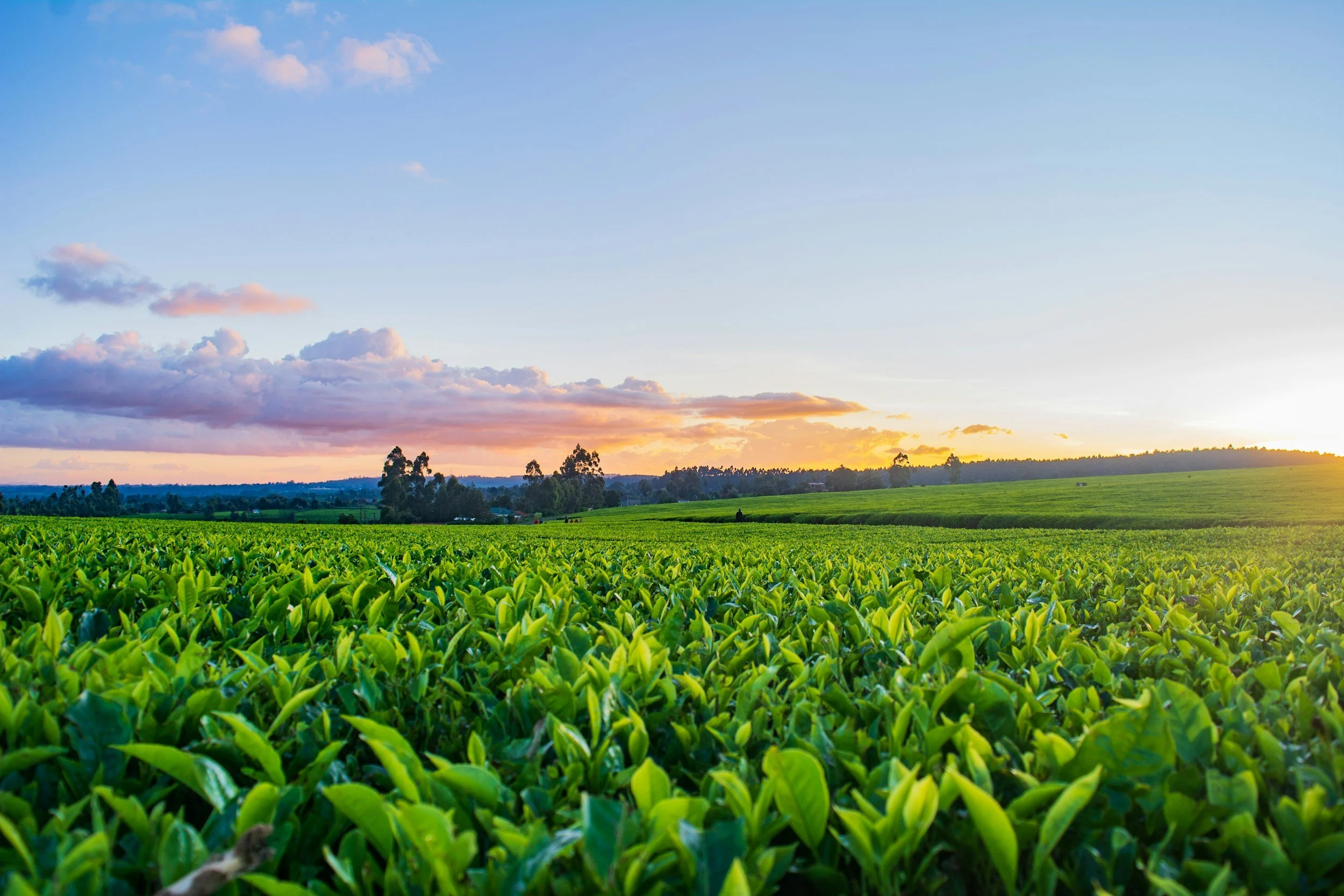
Carbon credits are derived in a variety of ways, and for farmers involves the adoption of carbon-sequestering land management practices. Credits are purchasable in bulk by companies seeking to offset their emissions to meet ESG goals. The problem with bringing a comprehensive carbon credit program to Kentucky is not a lack of suitable land. There are 67,700 farms in the Commonwealth, averaging at 182 acres each, and totaling to over 12 million acres of farmland.[1] The issue small farms face when enrolling in carbon programs is that the potential income—anywhere from $1,000–$5,000 annually for a 182 acre farm—is quickly swallowed by the transaction costs involved with the quantification, verification, and reporting that participating in these programs requires.[2] Existing carbon credit markets have not contemplated Kentucky’s small-but-numerous farm parcels, and as a result our farmers have stood on the sidelines. Now is precisely the time for the Kentucky legislature to establish a localized market, as credits become increasingly difficult to acquire due to participating land shortages as global demand increases.[3]
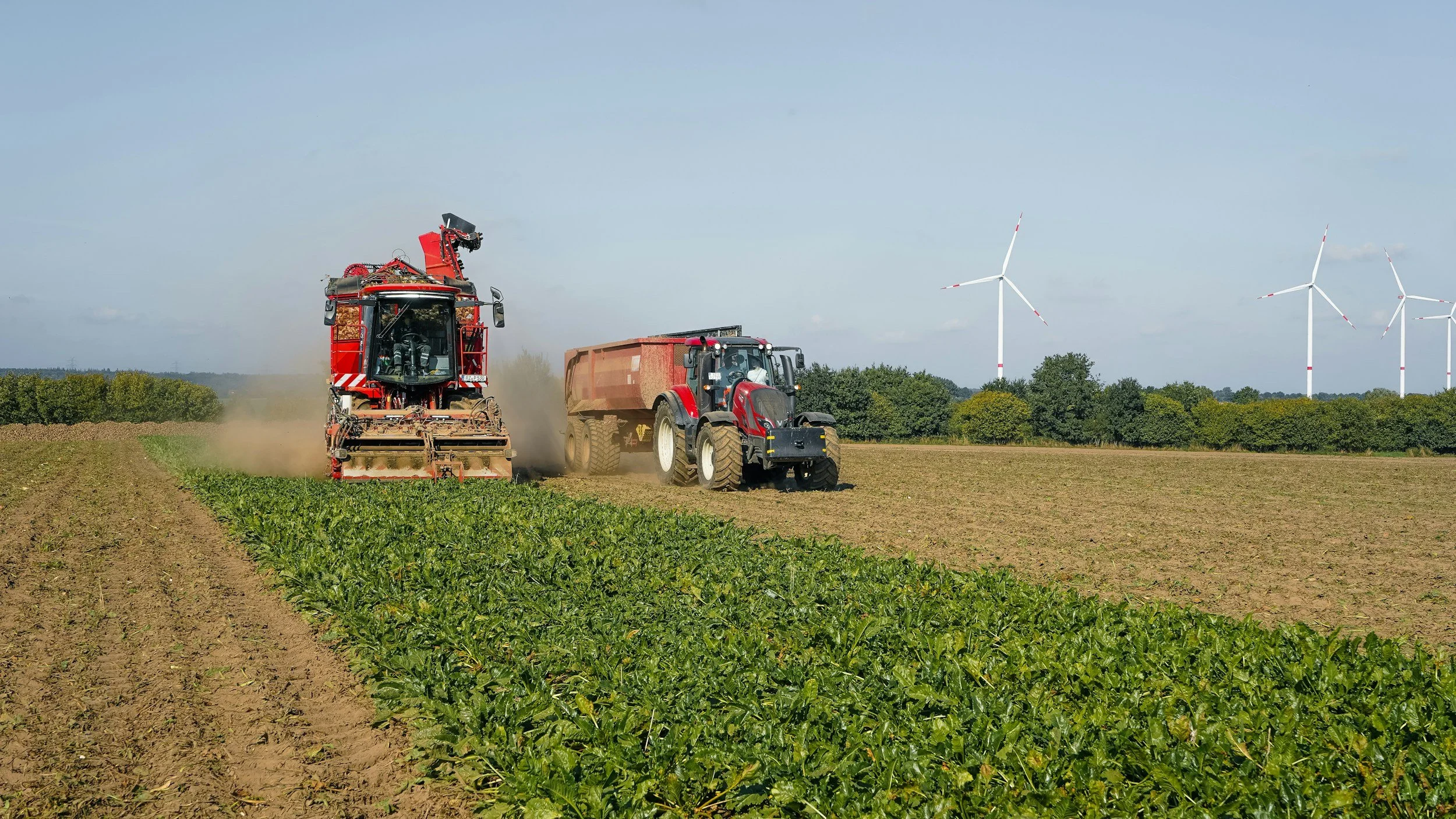
The current federal framework offers few solutions for Kentucky farmers. The Growing Climate Solutions Act (GCSA), signed into law in December 2022, authorizes the USDA to establish a voluntary carbon credit provider and verifier program,[4] but the agency has “limited ability to ensure that participating farmers… receive fair distribution of revenues derived from the sale of an agriculture or forestry carbon credit.”[5] Although the GCSA creates some federal guidelines, it does not streamline or clarify any issues concerning Kentucky farmers, primarily transaction costs and uncertainty, which overshadow any potential benefits farmers might receive.[6]
This is where the Kentucky Legislature can step in and provide much needed clarity and efficiency in the carbon credit landscape for its farmers. First, by subsidizing credit verification with money it already has. The 1998 Tobacco Master Settlement was (and still is) the single largest civil settlement in U.S. history; Kentucky’s respective share amounts to $2.8 billion.[7] Our legislature allocates 50% of this share to the Kentucky Department of Agriculture, which distributes grants through the Kentucky Agriculture Defense Fund (KADF) with the intention of subsidizing farmers who once relied on the cash crop to make a living.[8] The KADF’s stated goal is to “innovate proposals that increase net farm income” for tobacco-impacted farmers and communities.[9] State-subsidized carbon credit verification could fit squarely within that mandate, and would far more efficient through an agency administered, top-down approach.[10]
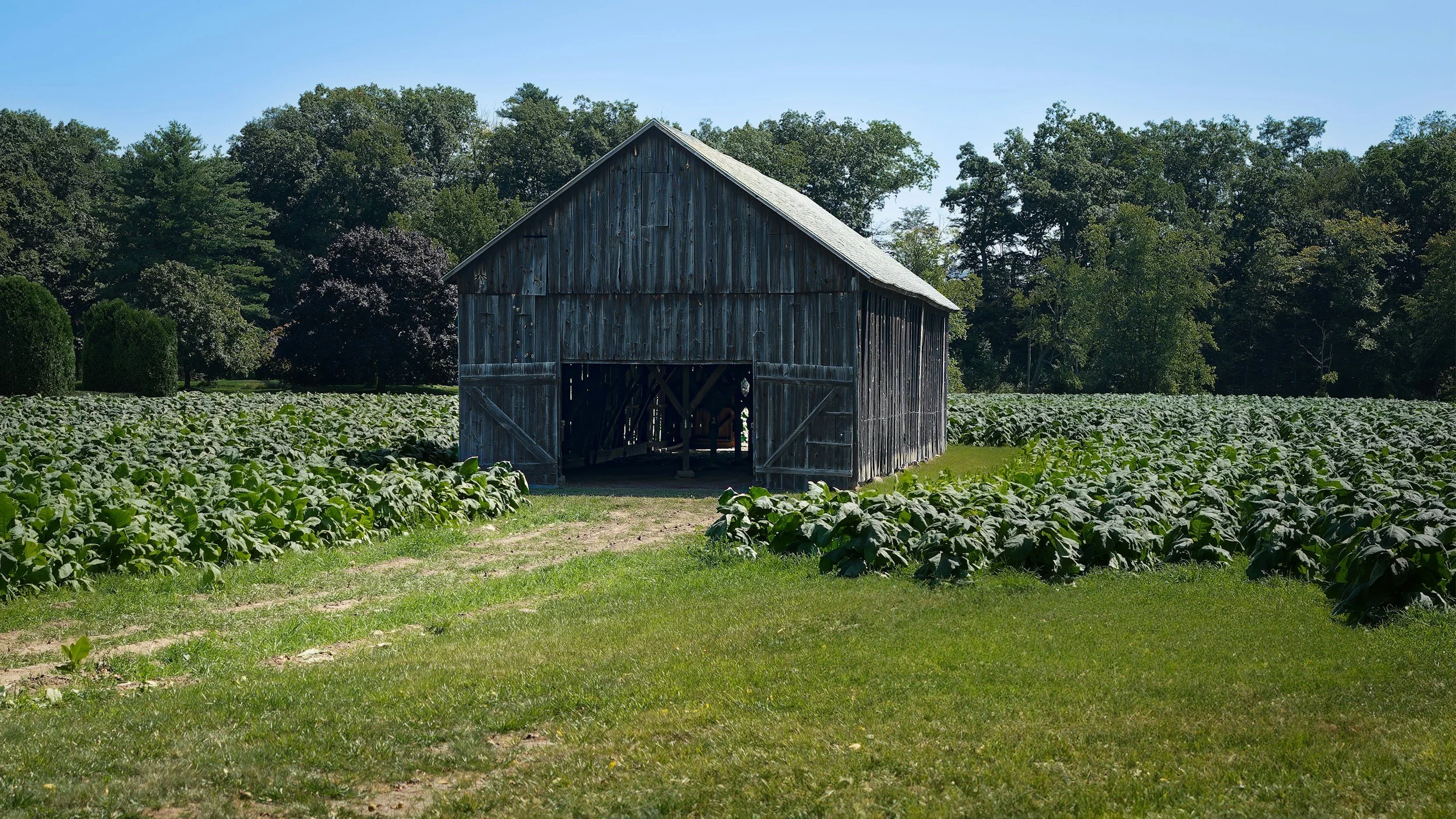
It is necessary that our legislature explores more robust means of income for farmers. Kentucky has lost 17,000 farms and 1.4 million acres of farmland over the past two decades despite KADF and other support channels.[11] The Kentucky Farmland Transition Initiative, launched in 2024, reflects a similar consensus; the status quo is unsustainable.[12] Carbon credit income will not single-handedly reverse this trend, but it is a beneficial and low-burden supplement farmers can rely on once verification costs are covered. The legislature must act now, lest our farmers be captured by intermediaries better positioned to absorb the transaction costs. Without state intervention, that value will instead accrue to private intermediaries who will offer Kentucky farmers participation on unfavorable terms while capturing the bulk of credit revenue themselves.
[1] Nat'l Agric. Statistics Serv., U.S. Dep't of Agric., Kentucky Agricultural Overview, https://www.nass.usda.gov/Quick_Stats/Ag_Overview/stateOverview.php?state=Kentucky&year=2025 [https://perma.cc/8E7A-Y8D6].
[2] Bayer, 2025 Bayer Carbon Program, https://bayerforground.com/carbon-initiative (offering $6 per acre per practice for no-till, strip-till, or cover crops, and up to $12 per acre for combined practices) [https://perma.cc/4D8Y-FXLQ]; Terrapass, Creating Carbon Credits: Is It Profitable?, https://terrapass.com/blog/creating-carbon-credits-is-it-profitable/ (a more legitimate basis to credits makes them more valuable.) [https://perma.cc/WA59-5PJA].
[3] Competition, Price Jumps Expected as Demand Outpaces Supply of European Forest Carbon Credits, AgFunder News, https://agfundernews.com/competition-price-jumps-expected-as-demand-outpaces-supply-of-european-forest-carbon-credits [https://perma.cc/9ARX-SYQL]; An Aviation Carbon Offset Deadline Looms, but Credits Are in Short Supply, Wall St. J. (Feb. 23, 2026), https://www.wsj.com/articles/an-aviation-carbon-offset-deadline-looms-but-credits-are-in-short-supply-ef775775 [https://perma.cc/52E6-2CFA].
[4] Growing Climate Solutions Act, Pub. L. No. 117-328, div. HH, tit. XXIX, §§ 2901–2908, 136 Stat. 4459, 5990–98 (2022) (codified at 7 U.S.C. § 6712).
[5] U.S. Dep't of Agric., Justification Report: Intent to Establish the Greenhouse Gas Technical Assistance Provider and Third-Party Verifier Program 12 (Feb. 2024), https://www.usda.gov/sites/default/files/documents/GCSA-JustificationReport.pdf [https://perma.cc/A87T-YU7N].
[6] Low ROI Still the Top Reason Farmers Won't Engage in Carbon Projects, Says Purdue Survey, AgFunder News, https://agfundernews.com/low-roi-still-the-top-reason-farmers-wont-engage-in-carbon-projects-says-purdue-survey [https://perma.cc/3LHD-3X9V]; What Is the Driving Force Behind Carbon Programs in the U.S. and Why Agriculture?, Univ. of Ky. Dep't of Agric. Econ., https://agecon.mgcafe.uky.edu/what-driving-force-behind-carbon-programs-us-and-why-agriculture [https://perma.cc/PD4W-65NN].
[7] Office of the Att'y Gen. of Ky., Attorney General Coleman Announces Kentucky Received $100 Million in Tobacco Settlement Funds, https://www.kentucky.gov/Pages/Activity-stream.aspx?n=AttorneyGeneral&prId=1755 [https://perma.cc/VQZ7-SQ7L].
[8] Id.; see also Caitlyn Kim, Crop Cashed Out: Less than 1,000 KY Farms Are Still Growing Tobacco 20 Years After Major Reform, WKMS (Oct. 22, 2024), https://www.wkms.org/agriculture/2024-10-22/crop-cashed-out-less-than-1-000-ky-farms-are-still-growing-tobacco-20-years-after-major-reform [https://perma.cc/SGQ7-ATUF].
[9] Ky. Off. of Agric. Pol'y, Kentucky Agricultural Development Fund, https://www.kyagr.com/agpolicy/Kentucky-Agricultural-Development-Fund.html [https://perma.cc/LT9J-3EDP].
[10] Id.; see Regreener, Why You Shouldn't Buy Cheap Voluntary Carbon Credits in 2026, https://www.regreener.earth/blog/why-you-shouldnt-buy-cheap-voluntary-carbon-credits-in-2026 [https://perma.cc/AJK5-E2BQ]; Lune, $500 vs. $5 Carbon Credits: Why Does Cost Vary So Much in Carbon Offsetting?, https://lune.co/blog/500-vs-5-carbon-credits-why-does-cost-vary-so-much-in-carbon-offsetting [https://perma.cc/N7VJ-HTM8]; Verra, On Today's Release of New CCQI Scores for REDD+ Credits, https://verra.org/on-todays-release-of-new-ccqi-scores-for-redd-credits/ [https://perma.cc/V6PY-EQLT].
[11] Ky. Farm Bureau, The Kentucky Farmland Transition Initiative Network (2024), https://www.kyfb.com/federation/newsroom/the-kentucky-farmland-transition-initiative-network/ [https://perma.cc/C67R-WFJQ].
[12] Id.