
Blog By: Christina Grimes
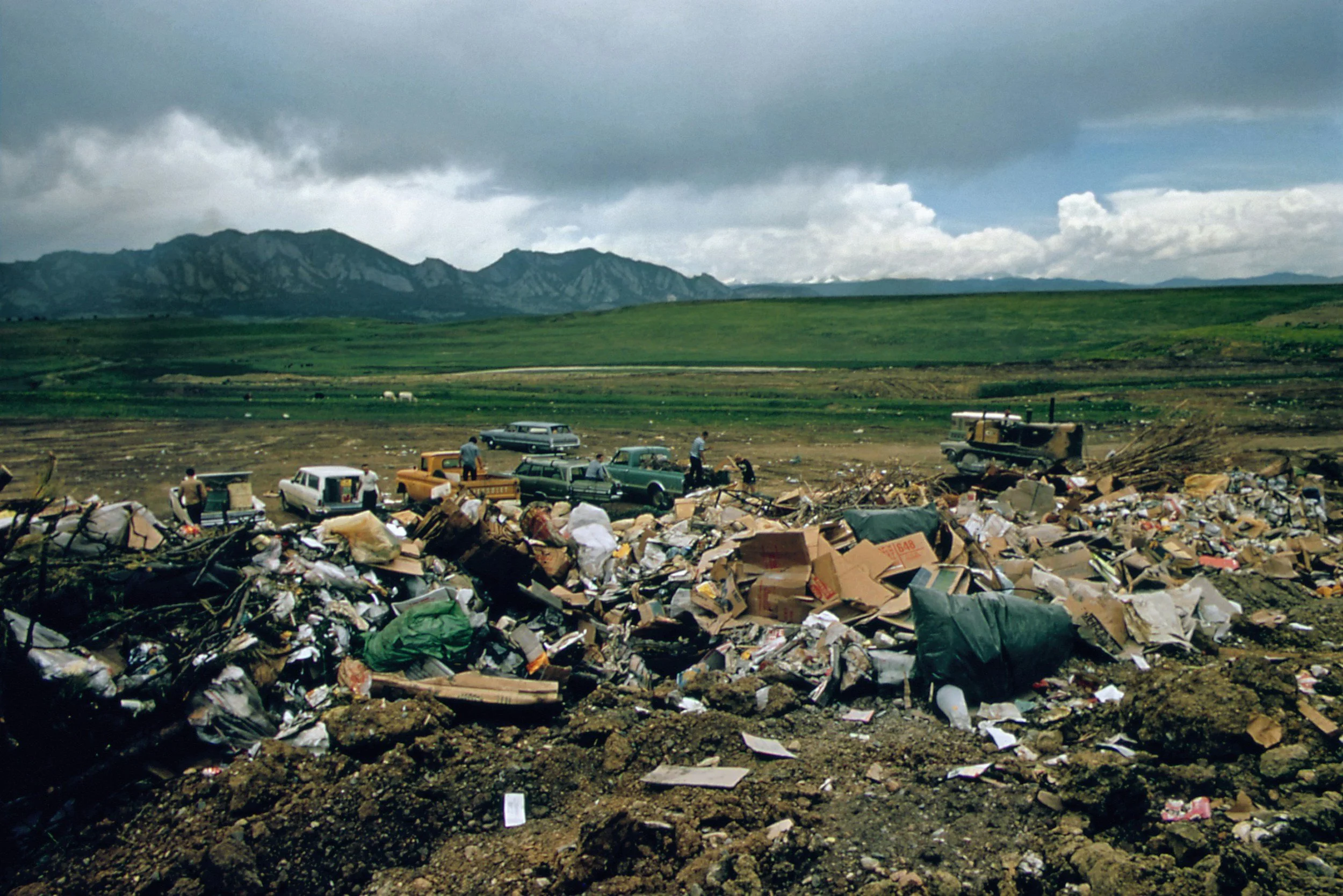
In today’s era of fast fashion, there is an immense amount of overproduction, overconsumption, and overwhelming textile waste.[1] There has been a drastic increase of nearly 50 percent more textile waste over the past two decades.[2] The EPA reported in 2018 that the United States generated approximately 17 million tons of textiles and 11 million tons of textile waste that year.[3] The recycling rate for all textiles was 14.7 percent, with 2.5 million tons recycled.[4] Overall, the textile waste produced represented 7.7 percent of total Municipal Solid Waste (MSW) in the country’s landfills.[5] This significant disparity between what is sent to our landfills and what is recycled warrants serious concern and calls for a more proactive response nationwide.
As landfills located across the country are increasingly burdened with textile waste as a result of the fast fashion industry, serious environmental and economic challenges emerge. Many producers in the industry use synthetic fibers in their clothing as the low cost allows mass production of clothing at a low price.[6] In fact, 62 percent of all fibers that were produced in the year 2020 were synthetic.[7] This cost saving tactic for the producers however imposes substantial environmental costs.[8]
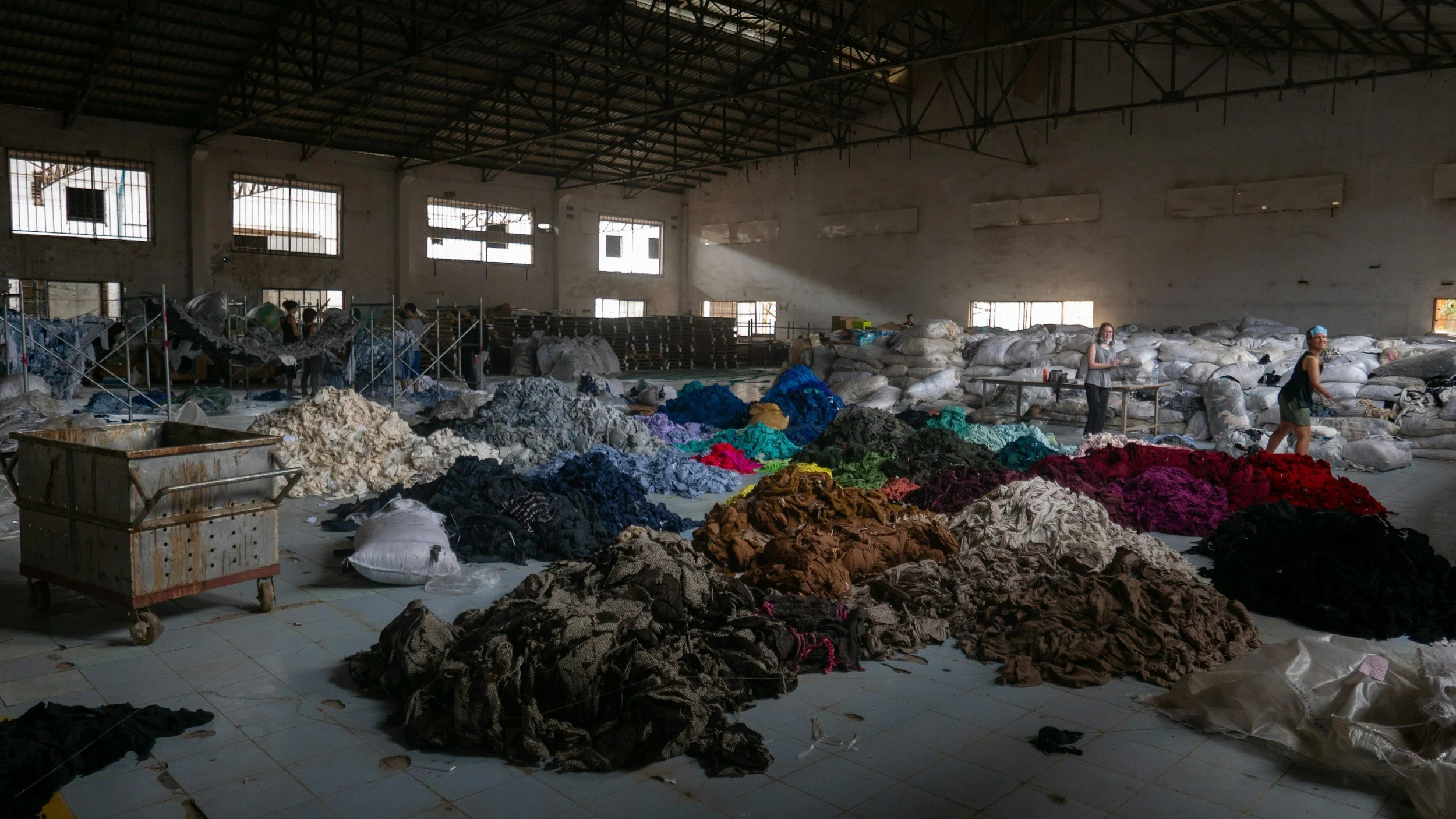
Textiles produced with cheap and durable synthetic fibers such as polyester, nylon and acrylic can take up to 200 years to decompose when deposited into landfills.[9] As the textiles go through the decomposition process, they generate methane, a potent greenhouse gas, which significantly contributes to climate change.[10] In addition, about 60 percent of textiles produced contain microplastics which can accumulate in soil and groundwater.[11] As a result, these microplastics affect the land’s agricultural productivity and soil health along with posing a serious risk to major bodies of water. [12] Furthermore, the disposed textiles which contain toxic chemicals such as PSAS, a “forever chemical” used to help make clothing waterproof or stain resistant, can leach into rivers and other water sources potentially polluting drinking water.[13]
Overall, the fast fashion industry, driven by rapid production and low-cost materials, contribute significantly to the textile waste and therefore poses a significant risk to contamination of the United States’ soil, water, and air.[14] In light of the growing volume of textile waste and the harmful impact it has on the environment, it is vital for state governments to take action to reduce the amount of waste being produced by the fast fashion industry.[15] Kentucky, like many states, is faced with a major threat to many of its crucial resources and assets yet the existing measures in place are not effectively addressing the issue.
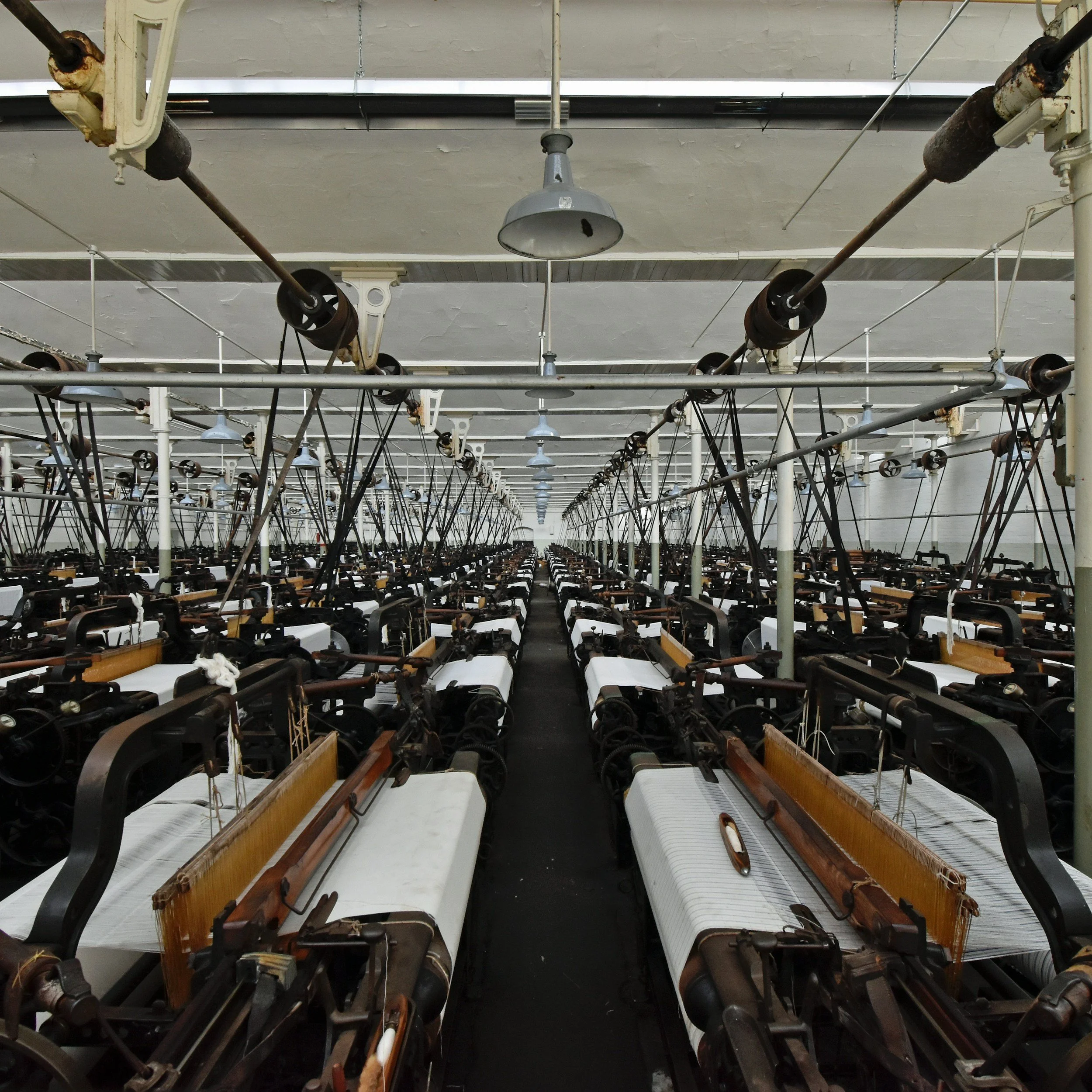
Under the current system, Kentucky treats textiles as ordinary solid waste, no differently than solid waste such as food scraps or household trash.[16] Although recycling programs exist in the state, no mandatory recycling for textiles is in place and no comprehensive recycling framework exists.[17] Because there is no program in place which holds producers responsible for textiles, the burden falls on the local governments in Kentucky to handle the collection, transportation, and disposal of the textiles disposed into the landfills in the state.[18] As a result, Kentucky lacks any mandatory system for diverting textile waste, allowing the increasing volume of disposed textiles to continue negatively impacting the environment.
Moving forward, Kentucky should take proactive steps to address and mitigate the ongoing crisis in order to ensure its impacts are not further exacerbated over time. To effectively do so, Kentucky should consider adopting a regulatory framework similar to that of California by placing the burden on the fashion producers for textile end-of-life accountability.[19]

In September of 2024, California enacted the Responsible Textile Recovery Act which made California the first state to adopt the Extended Producer Responsibility (EPR) textile recycling program designed to address textile waste in the United States.[20] The California law requires the fashion brand producers to finance and organize the collection, repair, reuse, and recycling of their textiles at end of life statewide.[21] Importantly, this shifts the responsibility for post-consumer textile waste from municipalities and taxpayers to producers.[22] By 2026, all clothing producers in the state of California are required to have joined a Producer Responsibility Organization (PRO), and by 2030, each PRO must implement a stewardship program.[23]
Enacting legislation like California’s Responsible Textile Recovery Act is a major step towards combating the textile waste in the United States, and as Extended Producer Responsibility (EPR) legislation for textiles increasingly expands across the country, Kentucky should follow in their footsteps.[24] Overall, the implementation of an EPR program will help divert textile waste in the state and hold producers accountable for their products. While fast fashion companies race towards the next big trend, Kentuckians should not be responsible for cleaning up the waste left behind.
[1] What Really Happens to Donated Clothes? The Hidden Journey No One Talks About, MABLE (Dec. 11, 2025), https://www.brushmable.com/blogs/mable-lifestyle/what-really-happens-to-donated-clothes-the-hidden-journey-no-one-talks-about [https://perma.cc/J5F3-JAP4].
[2] Teddi Nicolaus, Textile Waste a Growing Issue as Americans Consume More, Nation’s Health (May 2025), https://www.thenationshealth.org/content/55/3/1.1 [https://perma.cc/U7J5-WR4N].
[3] Textiles: Material - Specific Data, U.S. Env’t Prot. Agency, https://www.epa.gov/facts-and-figures-about-materials-waste-and-recycling/textiles-material-specific-data [https://perma.cc/TN44-XVRG] (last visited Mar. 26, 2026).
[4] Id.
[5] Id.
[6] Synthetic Fibers In The Fashion Industry, Edmond Climate, https://edmondclimate.com/synthetic-fibers-in-the-fashion-industry [https://perma.cc/4NK3-4K3P] (last visited Mar. 26, 2026).
[7] Id.
[8] Nicolaus, supra note 2.
[9] Id.
[10] The Environmental Crisis Caused by Textile Waste, Road Runner, (Jan. 8, 2021), https://www.roadrunnerwm.com/blog/textile-waste-environmental-crisis [https://perma.cc/RP8W-UW8D].
[11] Fast Fashion – Great for Your Wallet, Costly for 62the Planet, U.S. Gov’t Accountability Off. (Apr. 1, 2025), https://www.gao.gov/blog/fast-fashion-great-your-wallet-costly-planet [https://perma.cc/H7NZ-TCVL].
[12] Tackling Microplastic Pollution from Synthetic Textiles Through Rebuilding Natural Fibre Markets, United Nations Univ. (July 25, 2025), https://eec.ky.gov/Environmental-Protection/Waste/solid-waste/i-need-information/Pages/types-of-waste.aspx [https://perma.cc/N2W2-EENT].
[13] Id.
[14] Textiles: Material – Specific Data, supra note 3.
[15] Nicolaus, supra note 2
[16] Ky. Rev. Stat. § 224.1-010.
[17] Recycling, Ky. Energy & Env’t Cabinet, https://eec.ky.gov/Environmental-Protection/Waste/recycling-and-local-assistance/recycling/Pages/default.aspx [https://perma.cc/7L87-H98F] (last visited Mar. 26, 2026).
[18] See Types of Waste and Landfill Categories, Ky. Energy & Env’t Cabinet, https://eec.ky.gov/Environmental-Protection/Waste/solid-waste/i-need-information/Pages/types-of-waste.aspx [https://perma.cc/Z5HR-5Z7Z] (last visited Mar. 26, 2026).
[19] Sara Osorio, The State of Textile EPR Legislation in the U.S., Printing United All. (Feb. 9, 2026), https://www.printing.org/content/2026/02/09/the-state-of-textile-epr-legislation-in-the-us [https://perma.cc/BF73-PCC4].
[20] Vicky Yuan, A Closer Look at California’s Recently Passed Responsible Textile Recovery Act of 2024, Holland & Knight (Oct. 17, 2024), https://www.hklaw.com/en/insights/publications/2024/10/a-closer-look-at-californias-recently-passed-responsible [https://perma.cc/3CBZ-64G2].
[21] California Enacts First-of-its-Kind Clothing Recycling Law, Jones Day (Oct. 2024), https://www.jonesday.com/en/insights/2024/10/california-enacts-firstofitskind-clothing-recycling-law [https://perma.cc/P5T9-FWXQ].
[22] California’s Textile EPR Law: Key 2026 Milestones and Upcoming Producer Deadlines, Sidley (Mar. 17, 2026), https://environmentalhealthsafetybrief.sidley.com/2026/03/17/californias-textile-epr-law-key-2026-milestones-and-upcoming-producer-deadlines [https://perma.cc/E7TD-MZFH].
[23] California Enacts First-of-its-Kind Clothing Recycling Law, supra note 20.
[24] Osorio, supra note 18.