
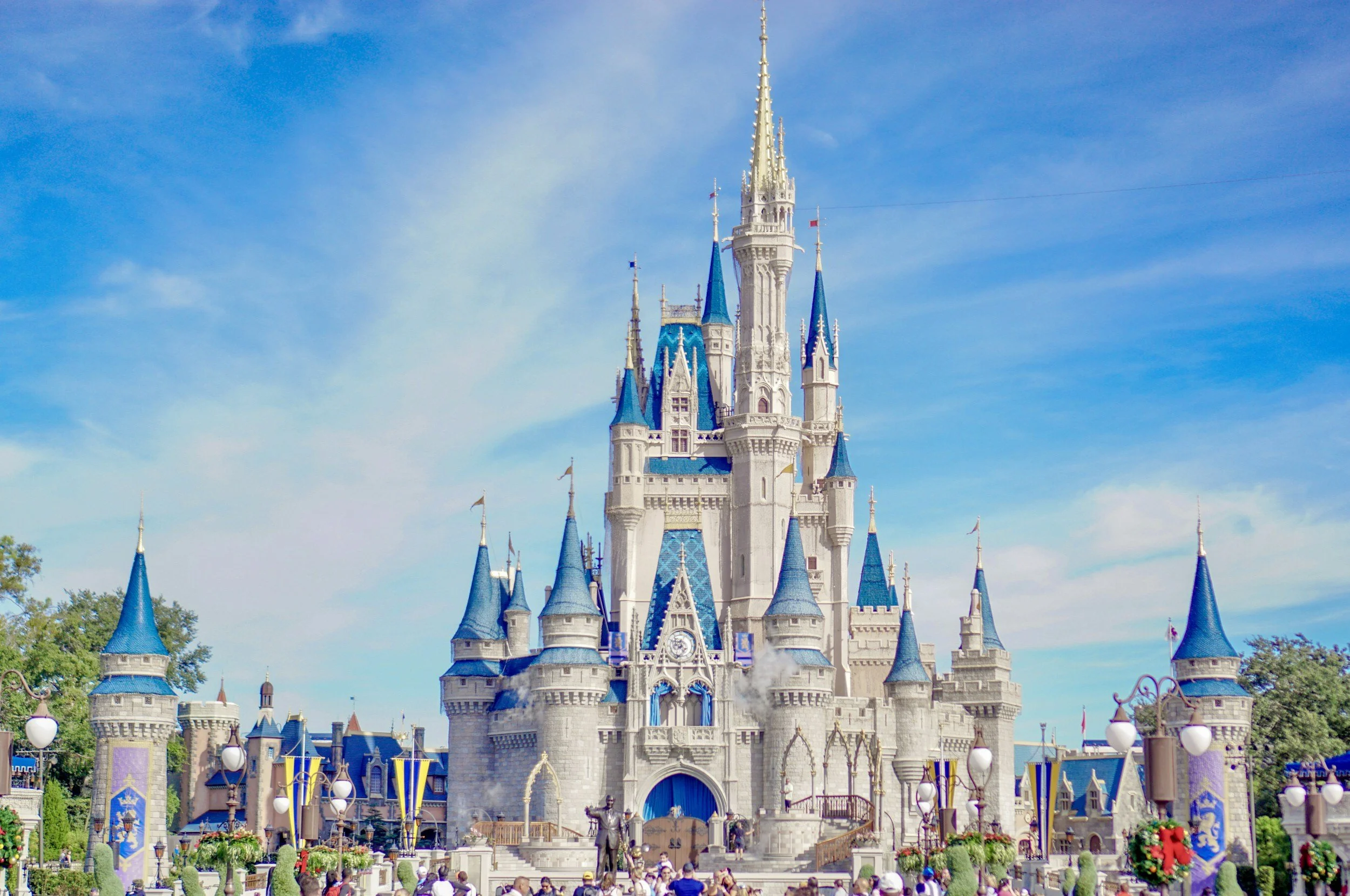
Blog by: Kristen Bailey
Walt Disney World’s “Living with the Land” attraction takes guests on a tranquil boat ride, highlighting innovative farming methods.[1] “Living with the Land” emphasizes the importance of protecting nature and supporting agricultural growth while showcasing Disney’s sustainability methods and creative approach to cultivation. [2] On this attraction, guests get to explore one of Disney’s greenhouses, gaining exposure to a wide variety of agricultural practices, from plants growing from the ceiling to complex aquaponics systems where the fish and the plants depend on each other. [3] Walt Disney World has earned a reputation for protecting the environment through initiatives centered on sustainable designs, clean materials, minimizing waste, conserving water, and reducing carbon emissions. [4]
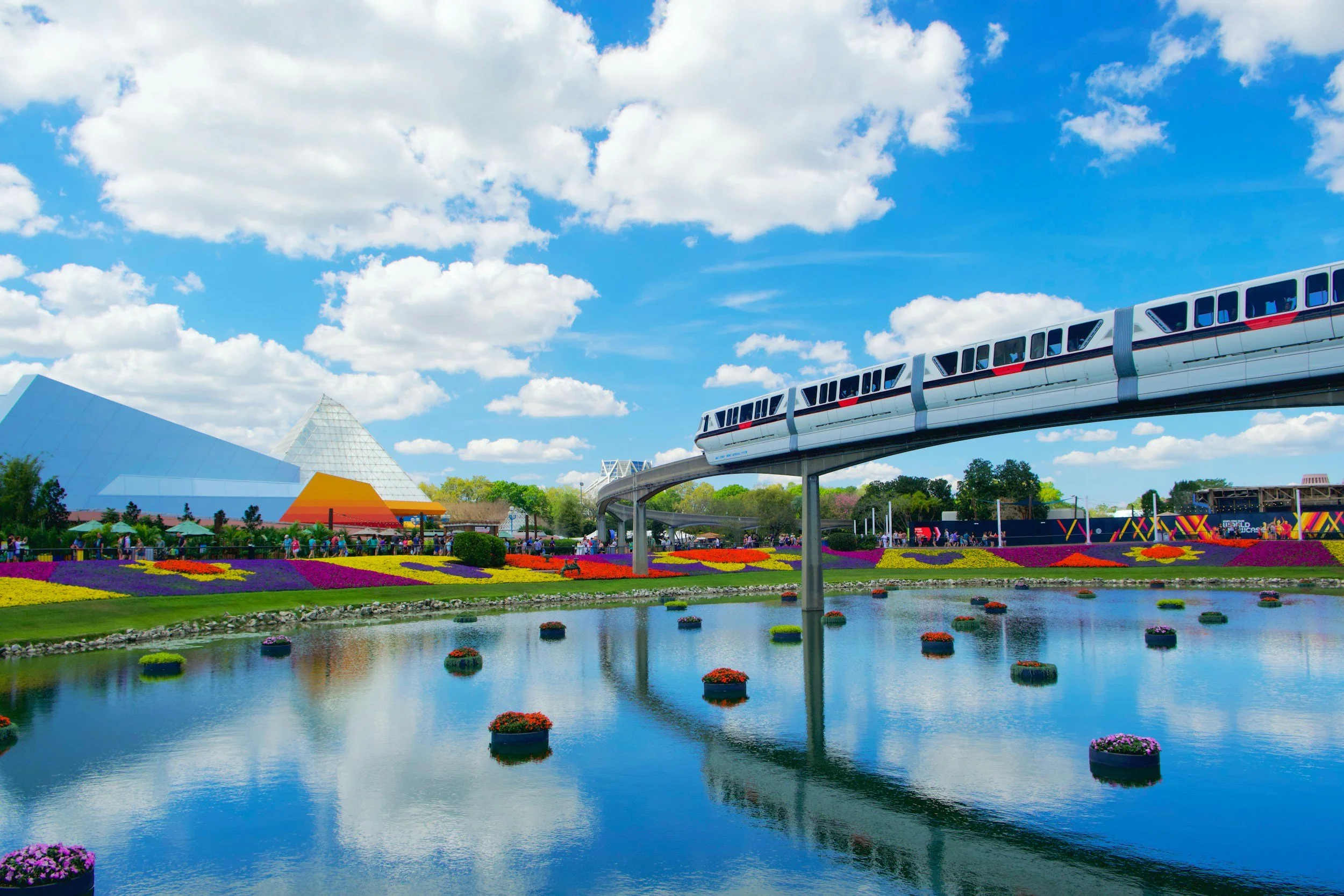
As a large and popular organization, the Walt Disney Company takes meticulous care to ensure its internal regulations for maintaining greenhouses and indoor agricultural growth are followed.[5] This allows crops growing inside “Living with the Land” to grow quicker than traditional crops.[6] While Walt Disney World must comply with both state (Florida) and federal regulations regarding agriculture, it often goes beyond those regulations by using self-created guidelines that provide stricter environmental protections. [7]
Walt Disney World and the state of Florida both readily recognize the importance of indoor agriculture.[8] Their efforts and success raise doubt and concerns that existing regulations fail to address indoor agriculture elsewhere. For instance, every state is required to have pest management regulations to protect its agriculture, many of which are focused on ensuring that individuals register their pesticides with the Department of Agriculture and Consumer Services, but do not outline the specific environmental protections that pesticides must emulate.[9] Conversely, Disney has an Integrated Pest Management system that is efficient, affordable, and has a marginal influence on the land.[10] Disney uses wasps to minimize the population of leaf-miner bugs that can be harmful to crops.[11] While it is unfeasible to require every state to implement Disney’s Integrated Pest Management system, state law should consider its positive environmental impacts and articulate more specific guidelines for pest management.
Indoor agriculture is protected and regulated by a combination of federal and state law; however, state law is typically more specific and narrower than federal law, as states can consider common practices within their borders.[12] It is crucial that states enact stricter regulations to encourage sustainable agricultural methods that will be sustainable and provide long-term success. While Disney has significant financial resources beyond the reach of individual farmers, states need to take protective measures to ensure indoor agriculture practices are safe, effective, and sustainable.
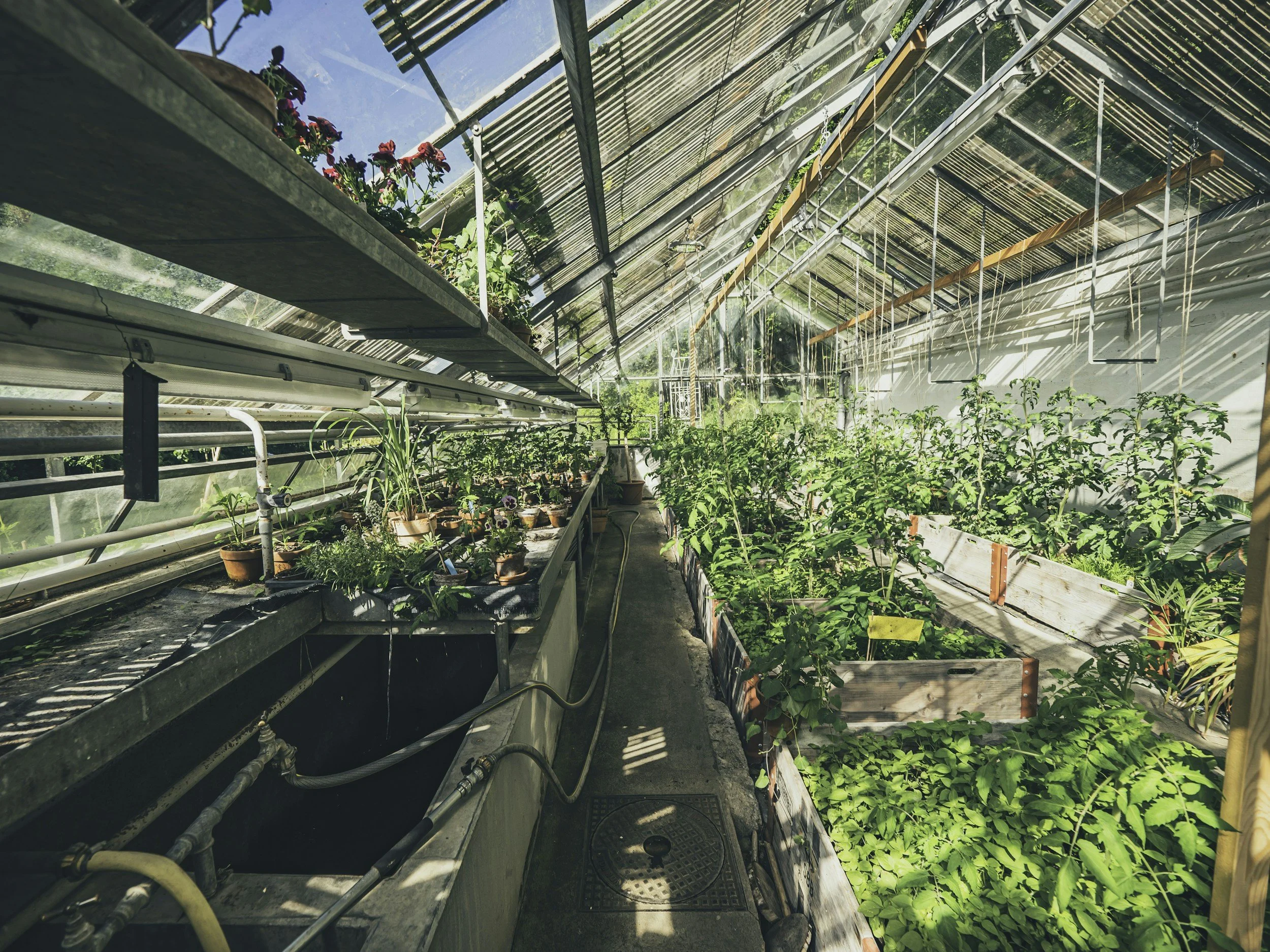
Living with the Land showcases a visible aquaponics system where guests can see the ingenuity in action.[13] Fish tanks underpin gardens, recycling water and waste for plant growth.[14] In return for nourishment from the fish, plants filter the water, enabling long-term sustainability and water conservation.[15] Florida offers certification for small farms to adopt the same practice, promoting the proliferation of sustainable aquaponics.[16]
These aquaponics practices should move from theme park rides to everyday commercial use on a broader scale. States outside coastal regions should adopt these principles not only to ensure commercial success, but also to encourage positive environmental impacts. Kentucky sorely lacks adequate regulations to address these issues, negatively impacting on the safety of the environment and the consumer.[17] While there may be certain climate considerations that require differing procedures, Kentucky, and every state, should embrace the opportunity to harness the aquaponics opportunity.
Additionally, Disney is known for using every available space in its greenhouse, even rooting plants in the ceiling and letting them grow upside down.[18] This type of growth gives plants greater oxygen exposure and allows them to grow for longer periods.[19] No state has any specific code regulating this innovative type of growth. If states enacted guidelines for this agricultural practice, more farmers with greenhouses could explore innovative growing techniques that make their work more efficient and faster.[20] If more people are exposed to creative ideas about farming, they may be more likely to adopt them.
States need to enact more specific regulations to better protect indoor agriculture to address potential sustainability and quality issues that may be sparked by innovative agriculture. Disney’s regulations are adapting to changing times, as cast members work daily to discover methods to update their agricultural practices.[21] States cannot rely on outdated or non-existent regulations to cover novel growing methods, such as aquaponics or ceiling plant growth. Only when states enact narrowly tailored regulations to protect indoor agriculture and to farm more sustainably and conservatively will our nation truly be, living with the land.
[1] Walt Disney World, Living with the Land, https://disneyworld.disney.go.com/attractions/epcot/living-with-the-land/ (last visited Sept. 18, 2026) [perma.cc/3AJ2-57SH].
[2] Yong Huang et al., Inspirational Story of Agriculture at Living with the Land Attraction at EPCOT, 109 Plant Disease 11, 11 (2025).
[3] Id.
[4] The Walt Disney Company, Environmental Goals, https://impact.disney.com/environmental-sustainability/environmental-goals/. (last visited Oct. 7, 2026) [https://perma.cc/78EH-NFP8].
[5] Id.
[6] Huang et al., supra note 2, at 11.
[7] Fla. Admin. Code Ann. r. 40A-2.501 (2026).
[8] Fla. Stat. § 823.14(2) (2026).
[9] Fla. Stat. § 482.021 (2026).
[10] Disney Imagination Campus, The Science Behind the Magic: Living with the Land, https://www.disneycampus.com/blog/the-science-behind-the-magic-living-with-the (last visited Oct. 7, 2026) [https://perma.cc/6Z8A-E8AN].
[11] Id.
[12] Agriculture, Wex, https://www.law.cornell.edu/wex/category/agriculture (last visited Oct. 7, 2026) [https://perma.cc/8WLP-A7EQ].
[13] Huang et al., supra note 2, at 16.
[14] Id.
[15] Id.
[16] Aquaculture Certificate of Registration, Fla. Dep’t of Agric. & Consumer Servs. https://www.fdacs.gov/Agriculture-Industry/Aquaculture/Aquaculture-Certificate-of-Registration (last visited Sept. 22, 2026). [https://perma.cc/2M82-BGTX].
[17] Aquaculture Production, Ky. Dept’t of Agric, https://www.kyagr.com/marketing/aquaculture.html (last visited Sept. 22, 2026). [https://perma.cc/BR6F-EQ9R].
[18] Huang et al., supra note 2, at 12.
[19] Id.
[20] Huang et al., supra note 2, at 11.
[21] Huang et al., supra note 2, at 11.