
Blog By: Mira Talwalkar
On February 10, 2026, Senate Bill 178 was introduced and later brought forward to the Kentucky Senate by the Senate’s Natural Resources and Energy Committee.[1] Less than a month after it was introduced, the bill was recommitted back to the Committee on March 4, 2026, for further review and amendment.[2] The bill aims to cap Kentucky’s environmental and public health laws at the federal floor, by prohibiting any state environmental regulation from being more stringent or extensive than any comparable federal law or regulation.[3] The recommitment appeared to kill the bill for the 2026 General Assembly session, ending in April, as it is unlikely to be amended and ready for voting in a few short weeks.[4] The Kentucky General Assembly meets for voting every January, for either sixty or thirty days, and during the rest of the year, lawmakers are meeting, researching, and discussing issues.[5] Although the bill may be curbed right now, it could still be reintroduced in coming sessions. It is important that S.B. 178 not move forward at any time because environmental regulations are critical to public health, and Congress intended to allow states to create their own regulation as they see fit for their local communities.
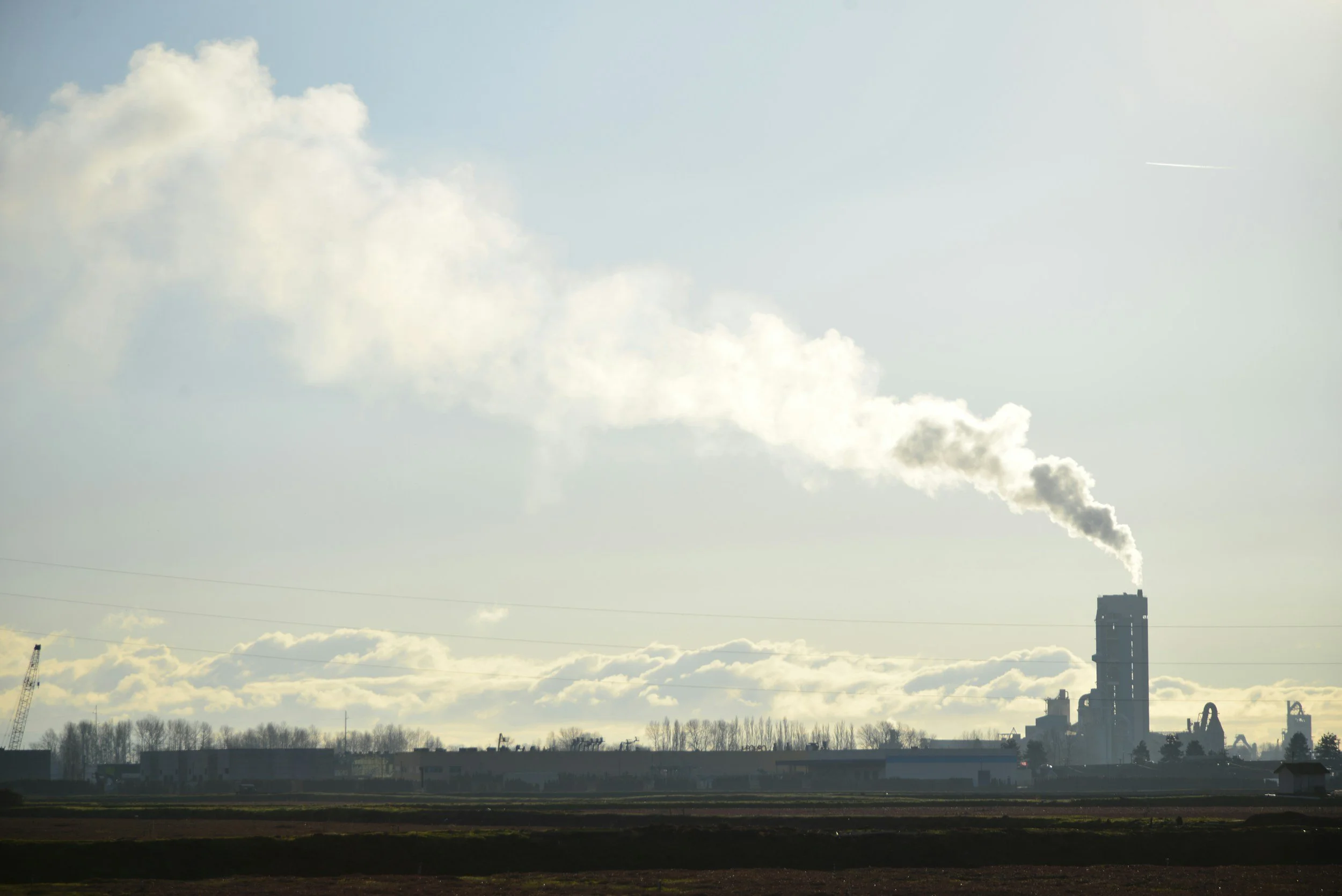
According to a study conducted in 2025, Kentucky ranked 2nd to last on health impacts involving environment and public health factors such as electricity generator emissions, energy efficiency policies, and greenhouse gas emissions.[6] The only state that ranked lower was West Virginia.[7] Pollution in Kentucky contributes to conditions including asthma attacks, lung cancer, and premature death.[8] A big reason for this is Kentucky’s coal fueled power plants—almost 70% of Kentucky’s electricity generation comes from coal—the second highest level of any state in the nation.[9]
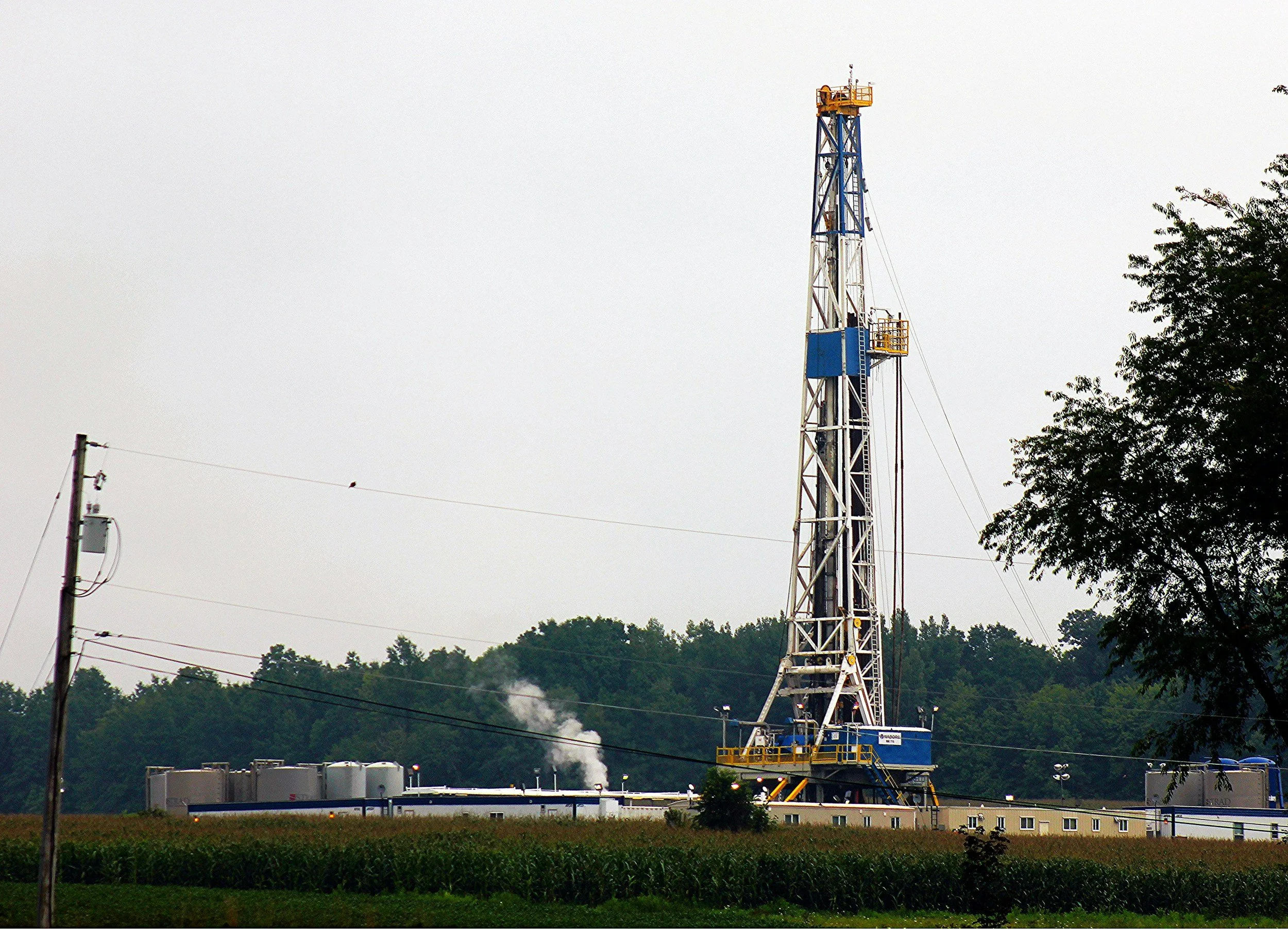
Coal, a fossil fuel, is responsible for 40% of worldwide greenhouse gas emissions, and produces nearly twice as much carbon dioxide as natural gases.[10] Many other states use forms of renewable energy, such as wind or solar power, which accounts for over 17% of total energy generated nationwide.[11] However, less than one tenth of Kentucky’s energy comes from renewable energy sources, which is far from on par with national levels.[12] Kentucky’s average micrograms of air pollution particulate matter per cubic meter is 8.0 PM2.5 (ranging from 5.6 PM2.5 to 9.8PM2.5 by counties), while the national average is 7.3 PM2.5.[13] Neglecting to protect Kentuckians from harmful emissions in a state that relies so much on fossil fuels for energy is dangerous, as exposure to toxic air pollution can greatly increase risks of disease and death.[14]

As Kentucky operates at an energy production standard quite different than the national standard, Kentucky should not be held to the minimum national standard. It should be up to the Commonwealth to be able to decide what environmental regulations are necessary to protect Kentuckians, and it is likely that those regulations would be more stringent than the national requirements—which are only meant to be a floor, not a ceiling.
The doctrine of federal preemption provides that when a federal law is inconsistent with a state law or regulation on the same subject matter, the federal law will prevail and supersede the state one.[15] However, it is common for the state and federal governments to work together to collaborate on policy implementation.[16] Absent a contrary congressional intent, Congress is presumed to have created floors with their regulations, not ceilings, and states are free to promulgate standards that go higher, or are more stringent, than the federal one.[17] This comes up often in public and environmental health administration which falls within the traditional role of the states.

The Clean Air Act regulates air quality levels and sources of pollution, and establishes “criteria pollutants” that must stay below a certain level to protect public health.[18] The Act requires all states to create a State Implementation Plan (SIP) to achieve the national standards, but gives the states a wide range of freedom in how they choose to meet the required standards—states have discretion to require in their SIP higher levels of air quality, but may not go below the national standard.[19]
Congress expressly intended for states to have the ability to choose their own implementation plans and regulations, and S.B. 178’s attempt to limit this freedom conflicts with the State’s intended responsibility.
[1] S.B. 178, 2026 Gen. Assemb., Reg. Sess. (Ky. 2026).
[2] Id.; Connor Giffin & Lucas Aulbach, Kentucky bill limiting environmental protections appears dead, for now, Louisville Courier J. (Mar. 10, 2026), https://www.courier-journal.com/story/news/politics/ky-general-assembly/2026/03/10/kentucky-bill-limiting-environmental-protections-appears-dead/89084599007/?gnt-cfr=1&gca-cat=p&gca-uir=true&gca-epti=z115901p119550l004450c119550e1125xxv115901d--35--b--35--&gca-ft=223&gca-ds=sophi [https://perma.cc/6FXC-BD73].
[3] S.B. 178, 2026 Gen. Assemb., Reg. Sess. (Ky. 2026).
[4] Giffin & Aulbach, supra note 2.
[5]Legislative Rsch. Comm’n, Legislative Process, K.Y. Gen. Assemb., https://legislature.ky.gov/LRC/Pages/Legislative-Process.aspx (last visited Mar. 18, 2026) [https://perma.cc/A6WG-PQ76].
[6] Melanie Marino et. al., Commonwealth Fund State Scorecard on Climate, Health, and Health Care, The Commonwealth Fund (Sep. 25, 2025), https://www.commonwealthfund.org/publications/fund-reports/2025/sep/state-scorecard-climate-health [https://perma.cc/Y5J5-AKRM].
[7] Id.
[8] Sarah Ladd, Kentucky trails nation on new climate and health scorecard, K.Y. Lantern (Sep. 26, 2025), https://kentuckylantern.com/2025/09/26/kentuckians-paying-for-loyalty-to-coal-with-their-health-new-report-finds/ [https://perma.cc/TXT9-EG7U].
[9] Kentucky Analysis, Energy Info. Admin., (Nov. 19, 2025), https://www.eia.gov/states/KY/analysis [https://perma.cc/PWX7-8XJJ].
[10] Center for Climate and Energy Solutions, Addressing Emissions From Coal Use in Power Generation, 1-2 (Nov. 2008), https://www.c2es.org/wp-content/uploads/2008/11/addressing-emissions-coal-use-power-generation.pdf [https://perma.cc/T3HC-QVK2].
[11] Climate Central, A Decade of Growth for U.S. Solar and Wind, (Mar. 12, 2025), https://www.climatecentral.org/climate-matters/solar-and-wind-2025 [https://perma.cc/8VNM-HKNV].
[12] Supra note 10.
[13] HDPulse, Kentucky Air Pollution – Table, Nat’l Inst. on Minority Health and Health Disparities (2020), https://hdpulse.nimhd.nih.gov/data-portal/physical/table?age=001&age_options=ageall_1&demo=234&demo_options=air_pollution_1&physicaltopic=002&physicaltopic_options=physical_2&race=00&race_options=raceall_1&sex=0&sex_options=sexboth_1&statefist=21&statefips_options=area_states [https://perma.cc/SA2Q-6PEQ].
[14] Savannah Bertrand, Fact Sheet: Climate, Environmental, and Health Impacts of Fossil Fuels, Env’t and Energy Study Inst. (Dec. 17, 2021), https://www.eesi.org/papers/view/fact-sheet-climate-environmental-and-health-impacts-of-fossil-fuels-2021 [https://perma.cc/7TLK-QWEA].
[15] Preemption, Black’s Law Dictionary (12th ed. 2024).
[16] Bridget A. Fahey, Coordinated Rulemaking and Cooperative Federalism’s Administrative Law, 132 Yale L.J. 1320, 1330 (2023).
[17] Florida Lime & Avocado Growers, Inc. v. Paul, 373 U.S. 132, 146 (1963).
[18] Summary of the Clean Air Act, EPA (Feb. 23, 2026), https://www.epa.gov/laws-regulations/summary-clean-air-act [https://perma.cc/6NYX-4PS5].
[19] 42 U.S.C. § 7410 (1990).