




In this blog, 3L Staffer Luke Price discusses the growing use of prediction-market platforms that allow users to profit from horse-race outcomes while operating outside traditional pari-mutuel wagering systems. Price argues that these event-contract trades function as wagering under the Interstate Horseracing Act and should therefore be subject to racing-commission oversight and consent requirements. He contends that without clarification or enforcement, prediction markets could undermine the regulatory framework designed to protect racing integrity and equine welfare.

Pesticides on Golf Courses: Shooting for the Green, Landing in a Regulatory Gray Area
In this blog, 2L Staffer Georgia Arrington discusses how the Environmental Protection Agency’s (EPA) Federal Insecticide, Fungicide, and Rodenticide Act (FIFRA) has missed its mark by neglecting to include golf course workers as a covered group under its Worker Protection Standards (WPS). In excluding these workers and excluding golf courses that are not used for sod production from the WPS, Arrington argues FIFRA is failing to provide meaningful protection from the dangers of pesticides on golf courses. Arrington illustrates that if the increased rates of Parkinson’s disease and non-Hodgkin's lymphoma in this cohort are not enough to demand regulatory reform, the EPA's continued approval of pesticides banned in other sectors but still used on golf courses certainly should be.
EPA Shoots Down John Deere: A Win for Farmers, the Right to Repair, and the Clean Air Act
In this blog, 2L staffer Nicholas Marini explores the ramifications of a recent EPA ruling affirming the right to repair. For years, farm equipment manufacturers paid steep premiums to repair their equipment with the manufacturers, not because the quality was better, but because they were legally required to do so.
Vintage Inequality: Should Wine Labeling Be Treated Differently Solely Based on the Type of Fruit From Which the Wine was Derived?
In this blog, 2L staffer Katie Collins argues that the Alcohol and Tobacco Tax and Trade Bureau should permit fruit wines, cider, and mead to display vintage labels, just as grape wines do. Collins takes the position that allowing for truthful, non-misleading vintage labels on non-grape wine allows for transparency to the consumer and creates consistency within the market.
Who Gets the Farm After the Finale? Agricultural Land Division, Succession, and the Legal Realities Behind Reality TV Relationships
In this blog, 2L staffer Jordan Guancione uses the reality television show Farmer Wants a Wife as a cultural lens to discuss the legal consequences of marriage and divorce on inherited farmland, arguing that because farmland is a unique, non-liquid asset, family law should prioritize keeping farms intact during divorce and succession disputes. Guancione advocates for stronger tools to adequately protect farmland, including Kentucky’s adoption of the Uniform Partition of Heirs Property Act to prevent forced land sales.
When Humans Disappear: Pop Culture's Wilderness Fantasy and the Wilderness Act of 1964
In this blog, 2L staffer Emma Jury illustrates how popular media often suggests that nature thrives when there is human withdrawal rather than human engagement. she examines how the Wilderness Act of 1964, though celebrated by some, now limits important scientific research and disregards Indigenous land stewardship in many laws. Jury contends that reimagining the wilderness and rewriting our laws to include responsible human use and protection may be essential to preserving our ecosystems and our unique biodiversity.
Now Ore Never: The Congressional Review Act as an Antidote to Administrative Whiplash
In the face of growing global competition, the U.S. accelerates its decoupling from China’s monopoly on critical minerals. The American legal landscape, however, prohibits continuity in the pursuit of mineral independence. In this blog, 2L staffer Lexi Frazier argues that the Congressional Review Act is a vital tool for establishing regulatory certainty in pursuing mineral projects, so long as Congress exercises scrutiny in protecting projects that genuinely implicate national security.
Stealing the Moon? Executive Order 14369 “Ensuring American Space Superiority” is Irreconcilable with the Outer Space Treaty
In this blog, 2L staffer Lauren Barnhorn highlights how the United States has shifted its tone from international cooperation concerning outer space to privatization and utilization of space’s resources for its own economic and military interests. Barnhorn illustrates how this shift does not comport with the signed Outer Space Treaty’s ban on national appropriation and its requirement for the peaceful uses of outer space. She argues in order to guarantee scientific discoveries and promote the interests of all mankind, the United States must abide by international law.
From Bushel to Barrel: Trade Retaliation and Agricultural Harm in Kentucky’s Bourbon Industry
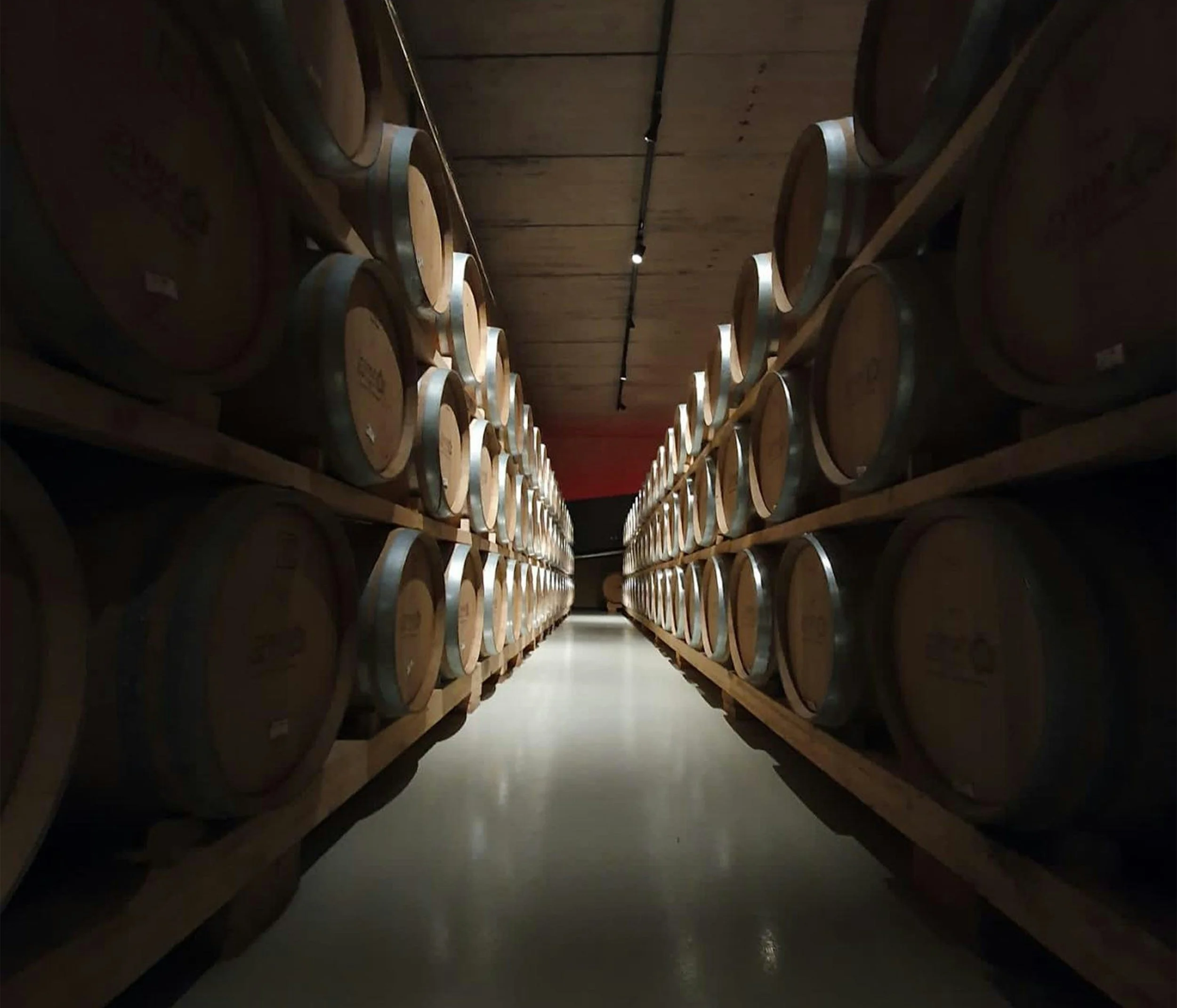
In this blog, 2L staffer Conner Jackson examines how federal trade policy and retaliatory tariffs on bourbon exports have affected Kentucky's agricultural sector. He contends that trade retaliation directed at bourbon exports creates an economic harm that extends beyond distilleries to Kentucky agricultural producers. Based on past state responses and existing statutory frameworks, he argues that Kentucky can adopt a loss-based compensation program to support its farm producers amid the current trade disputes.