
Blog By: Katie Collins
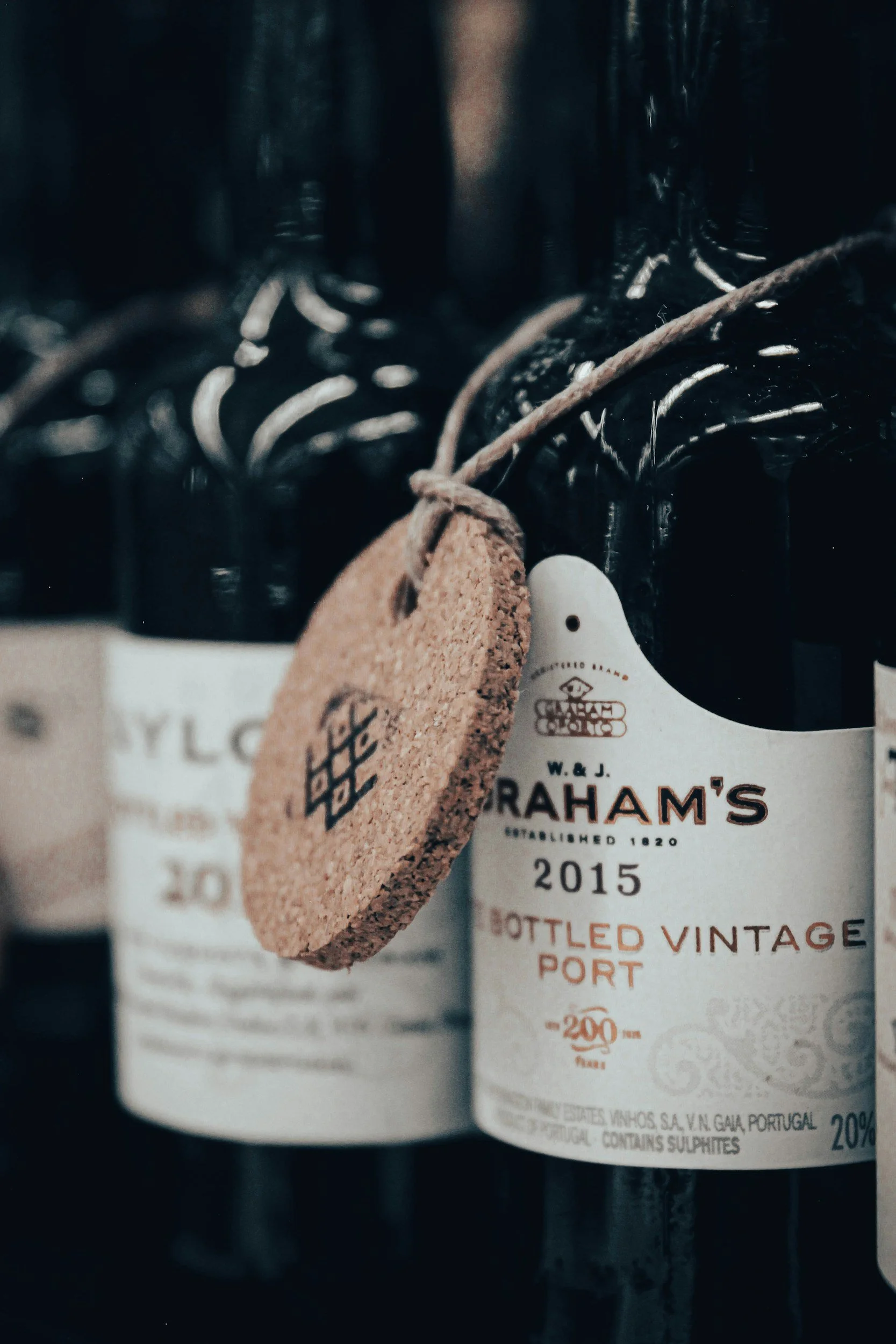
If grape wine can carry a vintage, why can’t strawberry wine? Currently, the classification of vintage wine from the Alcohol and Tobacco Tax and Trade Bureau (“TTB”) requires the wine to be derived from grape harvest and does not allow Class 5 fruit wine to apply a vintage on their bottles.[1] A vintage placed on wine is currently defined by the harvest year and the appellate origin which represents the standard identity of grape, sparkling grape, and carbonated grape wines.[2] The vintage classification helps distinguish one wine from another through the quality of the wine due to differing climatic conditions that can change the production value of the harvest.[3]
Fruit orchards producing fruit wine deserve the same ability to communicate clearly with their consumers as grape wine producers. According to the complaint filed by Garden Path Fermentation, the cider, mead, and fruit wine producer wants the ability to place truthful, non-misleading vintage labels on their products.[4] At its core, the complaint wants the TTB to allow truthful, non-misleading communication between the producers and consumers through vintage labeling of cider, mead, and fruit wines.[5]
The support of local orchards producing is important to keep small productions in business.[6] States throughout the country have different fruits for which they are recognized (e.g. Hawaii for pineapple, Maine for blueberries, and Michigan for cherries).[7] Allowing these producers to display a vintage label would provide much deserved opportunities to advertise the integrity of their product.
The TTB works to enforce the Federal Alcohol Administration Act (“FAA Act”).[8] The FAA Act provides regulations for the alcohol industry for the protection of the consumers to ensure the integrity of the industry, protect the consumers, and precludes unfair trade practices.[9] The purpose of the TTB is “to protect the consumers FAA Act provisions: Ensure that labeling and advertising of alcohol beverages provide adequate information to the consumer concerning the identity and quality of the product.”[10]

The protection of consumers starts with transparency. A wine consumer can identify their favorite wine by the vintage due to the variable conditions of the harvest season.[11] In order to qualify for a vintage, at least eighty-five percent of the crop must have derived from that harvest.[12] The display of a vintage on non-grape, fruit wine allows the wine producers to have open communication about the harvest used to produce the wine. The consumer then has accurate information through the advertising on the bottle as to where the product originated and what to expect from the product. An informed customer knows a harvest year can greatly affect the end production of the wine. Allowing fruit wine to carry the tradition of vintage labeling allows for better protection for the customers ensuring they are able to predict the quality of the product due to the transparency of the labeling.

Allowing for inconsistency in the market is unfair to those who do not qualify for the same labeling. Part of the TTB responsibilities is to enforce the regulations of alcohol labeling on beverages containing more than seven percent alcohol by volume (“ABV”).[13] Any wine that is less than seven percent ABV does not have to follow the TTB regulation because it is governed by the United States Food and Drug Administration (“FDA”), which does not have this limitation on vintage labeling.[14] The TTB not allowing for fruit wine to include a vintage labeling creates inconsistent rules which could lead to unfair trade practices.[15] When two federal agencies have inconsistent labeling practices, confusion may appear among consumers. Where the FDA allows for vintages to be placed on non-grape wines under their authority, the TTB states that a vintage date can only be used with grape wines.[16]
A vintage label placed on a bottle is used as a tool for the consumers. The TTB not allowing transparency through vintage labeling is unfair to the producers of products like fruit wine that would otherwise qualify for this distinction. The TTB has a duty to insure the integrity, protect the consumer, and preclude unfair trade practices.[17] The TTB should reconsider its current restriction and allow fruit wines to have vintage labels.[18]
[1] 27 C.F.R. §§ 4.21–.27 (2025).
[2] Id.
[3] Alfred Techs., Understanding the Concept of Vintage Wine, Alfred Techs. Private Collectors Blog (Jan. 24, 2025), https://www.alfredtechnologies.com/private-collectors/blog/understanding-the-concept-of-vintage-wine [https://perma.cc/L6JR-R6FD].
[4] Complaint at 1, Garden Path Fermentation, LLC v. United States, No. 1:26-CV-3002 (E.D. Wash. Jan. 5, 2026).
[5] Id. at 8.
[6] Lauren Mowery, Local Crops and Balanced Flavors: Meet the New Generation of Fruit Wine, Wine Enthusiast (May 8, 2023), https://www.wineenthusiast.com/culture/wine/best-fruit-wine-guide/ [https://perma.cc/6FZY-4DAA].
[7] Id.
[8] Federal Alcohol Admin. Act, Alcohol & Tobacco Tax & Trade Bureau (May 13, 2025), https://www.ttb.gov/trade-practices/federal-alcohol-administration-act [https://perma.cc/M4FD-F58J].
[9] Id.
[10] Id.
[11] Arthur Morgan, What Is Vintage Wine? Understanding the Year, the Bottle and the Wine Tools You’ll Need, Wine-and-Gear (July 29, 2025), https://www.wine-n-gear.com/blog/what-is-vintage-wine-understanding-the-year-the-bottle-and-the-wine-tools-youll-need/ [https://perma.cc/2RLW-ZZN9].
[12] 27 C.F.R. § 4.27.
[13] Jana Caracciolo, Food Foundations: An Overview of Which Agencies Regulate Alcohol Beverages, Nat’l Agric. L. Ctr. (Dec. 6, 2022), https://nationalaglawcenter.org/which-agencies-regulate-alcohol-beverages/ [https://perma.cc/99D4-EYVJ].
[14] Wine Labeling: Overview of Labeling Requirements for Imported Wines, Alcohol & Tobacco Tax & Trade Bureau (Jan. 12, 2026), https://www.ttb.gov/regulated-commodities/beverage-alcohol/wine/labelreqimportedwine [https://perma.cc/SE6H-PUK3].
[15] Id.
[16] Garden Path Fermentation, supra note 4, at 5.
[17] Federal Alcohol Admin. Act, supra note 8.