
Blog by: Emma Jury
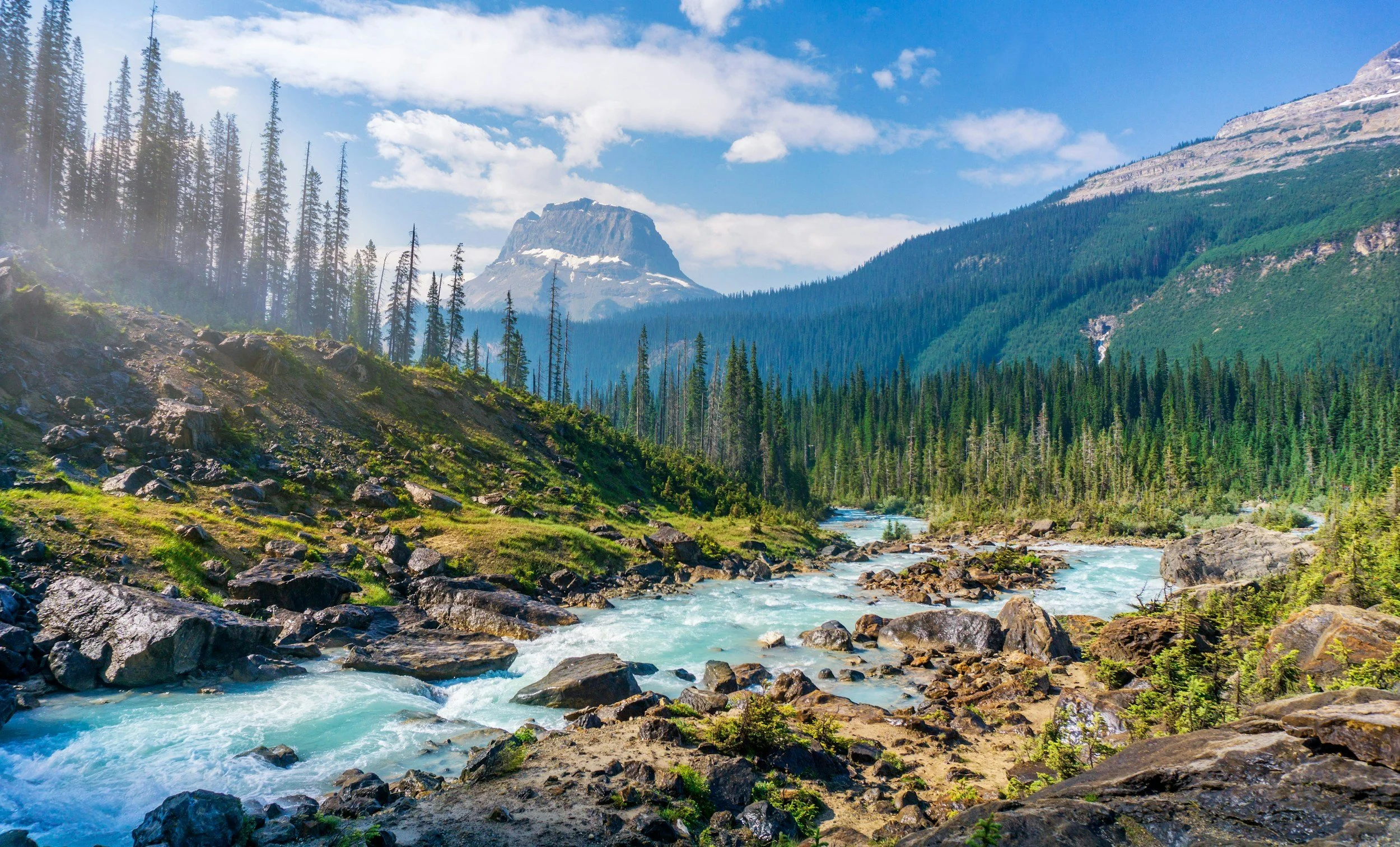
In the popular children’s blockbuster, Frozen, the movie portrays a pristine forest blanketed in snow.[i] The absence of footprints or signs of settlement make the landscape appear untouched by humans.[ii] As the forest’s wildlife flourishes, the human community maintains their distance.[iii] The town the characters live in, Arendelle, is distinctly removed from the wilderness; the areas could not be more different.[iv] Although an animated and lighthearted movie, it nonetheless reinforces both longstanding and contemporary notions that the wilderness is best preserved through human absence.[v] Other contemporary movies such as Wall-E, Moana, and The Revenant advance this similar narrative; mass media commonly depicts environmental well-being as dependent on human retreat rather than human engagement.[vi] But is this characterization accurate? This is not only reflected in pop culture, but through legislation, particularly and most importantly, the Wilderness Act of 1964.[vii]
The original language of the Wilderness Act of 1964 tried to define the meaning of wilderness stating, “A wilderness… is an area where the earth and its community of life are untrammeled by man.”[viii] Another phrase, the wilderness is a place “where man himself is a visitor and does not remain” has become synonymous with this piece of legislation.[ix] The purpose of the Act was to protect the environment by limiting human interventions and preventing this “trammeling” that seemed to concern legislators of the time.[x] However, this conception rests on an incomplete and narrow understanding of human-environment relationships.
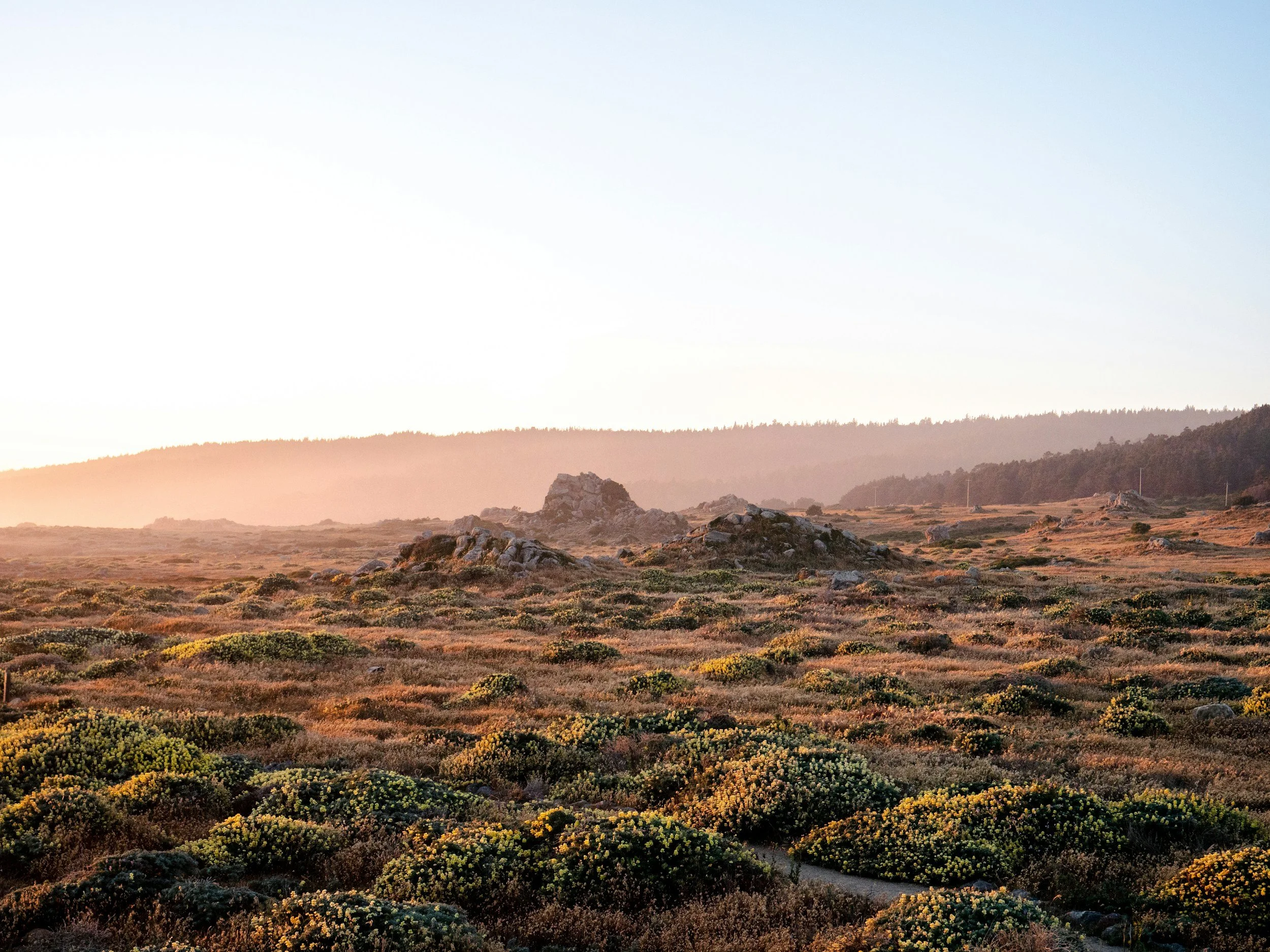
The Wilderness Act of 1964 is considered by some legal scholars and environmentalists as one of America’s greatest conservation achievements.[xi] According to the Act, the land is intended for the “permanent good of all people.”[xii] This Act created the National Wilderness Preservation System; this system placed around 54 areas into Congressional protections including “national forests, national wildlife refuges, and Bureau of Land Management lands.”[xiii] The Act was initially created to value outdoor recreation and enhance human experience within nature; the Act was implemented largely in response to the creation and widespread use of cars and the growing infrastructure.[xiv] While some argue that the Wilderness Act protects the environment by leaving the area seemingly “untouched,” this is misguided. The Wilderness Act needs to be rethought and perhaps rewritten due to its unintended negative consequences.
Firstly, the Wilderness Act has increasingly been used to limit scientific research in these protected areas.[xv] This includes research on habitats that have been adversely affected by climate change, which typically impacts its biodiversity.[xvi] The Wilderness Act prevents researchers and scientists from “establishing weather stations, deploying semi-permanent sensors, [and] establishing remotely triggered cameras to monitor wildlife,” all of which are essential to help these areas and the living creatures within them.[xvii] While it is essential to have spaces where humans cannot “trammel,” scientific research helps find solutions for restoring these habitats and maintaining its unique biodiversity.[xviii] Importantly, the Wilderness Act has not been altered or changed since its passing in 1964; however, new areas are added to its protection every year.[xix] In 2019, these changes included 37 new wilderness areas which included over 1.3 million acres of land.[xx] Our environmental landscape and climate has changed drastically; it is important to rethink how we interpret and interact with this law.
In addition, other opponents note that the law has “outlived its usefulness,” as it has blocked fire-prevention efforts and other plans that could protect these remote areas. [xxi] Some tribal leaders state that the law has been flawed from the start, as it has ignored the long history of Native Americans and their use of the land.[xxii] Tribal leaders have also stated that these wilderness designations have damaged Indian Country and have been used to “dispossess Native people of their lands in the name of conservation.”[xxiii] As a result, many Native Americans have been convicted under the Wilderness Act because of their traditional practices.[xxiv] In addition to the Act’s disparate impact of Native American communities, over 100 members of Congress were simultaneously in favor of the Wilderness Act, but did not vote for the Civil Rights Act.[xxv] While many claim, “the outdoors does not discriminate,” this Act has a documented history of racism.[xxvi]
Other scientists and researchers claim that the law is “counterproductive to its goals.”[xxvii] An example of the Act’s counterproductive goal has recently come under discussion with the 2021 wildfires in the Sequoia & Kings Canyon National Parks.[xxviii] A complaint had been filed by “green groups” against the National Park Service (NPS) for their plans to reseed burned areas and their use of controlled burns to prevent future wildfires.[xxix] Importantly, NPS would be helping and protecting the environment from more wildfires with their response, but because of the law, they are unable to do so.[xxx]
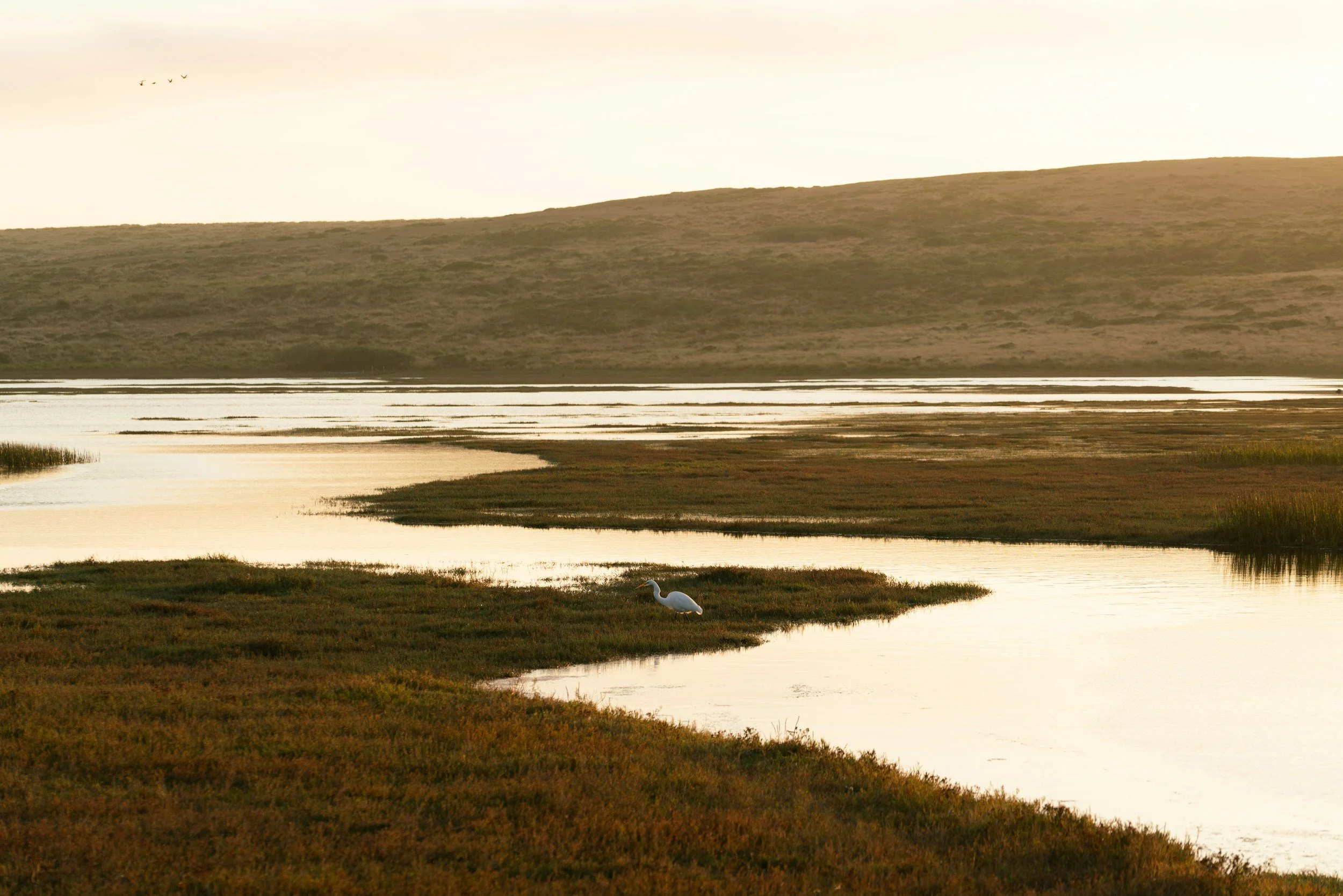
In reforming the Wilderness Act, many studies suggest that it is difficult for protected areas to be effective at conservation if they are created and maintained in opposition of those who have historically lived there.[xxxi] Any reformation must have Native American communities at the center of the discussion.[xxxii] Moreover, scientific research must be allowed in some capacity to protect these areas and its biodiversity.[xxxiii] Throughout its enactment, the Wilderness Act has been used as a constraint against effective natural resource management and a barrier to obtaining necessary scientific knowledge.[xxxiv] As our environment shifts with unprecedented climate change and other factors, we must rethink how we interpret and interact with this law.[xxxv] Moving away from this popular misconception seen in our media, we can then trend toward a model where protecting the environment can coexist with human engagement.[xxxvi]
[i] Frozen (Walt Disney Pictures Nov. 27, 2013).
[ii] Id.
[iii] Id.
[iv] Id.
[v] Id.
[vi] Natasha Smith, Environmentalism in the media, Univ. of Colorado Boulder (Nov. 4, 2021). https://www.colorado.edu/ecenter/2021/11/04/environmentalism-media [https://perma.cc/58AH-JFDN].
[vii] Marissa Ortega-Welch, As the Gila Wilderness turns 100, the Wilderness Act is still a living law, High Country News (June 1, 2024), https://www.hcn.org/issues/56-6/as-the-gila-wilderness-turns-100-the-wilderness-act-is-still-a-living-law/ [https://perma.cc/SLM8-FQU7].
[viii] Id.
[ix] Id.
[x] Id.
[xi] Mason Cummings, The Wilderness Act, The Wilderness Society https://www.wilderness.org/articles/article/wilderness-act# (last visited Feb. 7, 2026). [https://perma.cc/B68P-W84D].
[xii] Brandon Freeman, 60 Years Later: The True Impact of the Wilderness Act and Civil Rights Act on America’s Outdoors, Expedition Detroit (Dec. 11, 2024), https://www.expeditiondetroit.com/post/60-years-later-impact-of-the-wilderness-act-and-civil-rights-act#google_vignette [https://perma.cc/C4PQ-KRQN].
[xiii] Cummings, supra note xi.
[xiv] Id.
[xv] David T. Blumstein & Thomas B. Smith, How the Wilderness Act of 1964 is being turned against itself, San Francisco Chronicle (May 15, 2024), https://www.sfchronicle.com/opinion/openforum/article/wilderness-act-bureaucracy-19451807.php [https://perma.cc/FMQ2-H3W4].
[xvi] Id.
[xvii] Id.
[xviii] Id.
[xix] Michelle Reilly & Vanessa Kaufman, 60 Years of Wilderness!, U.S. Fish and Wildlife Service (Sept. 3, 2024), https://www.fws.gov/story/2024-09/60-years-wilderness [https://perma.cc/W4LP-4W3E].
[xx] Rob Hotakainen, Is the Wilderness Act outdated? A 60-year-old law sparks new fights, Greenwire (Sept. 11, 2024, 1:36 PM), https://subscriber.politicopro.com/article/eenews/2024/09/11/is-the-wilderness-act-outdated-a-60-year-old-law-sparks-new-fights-00177356 [https://perma.cc/599L-DHA7].
[xxi] Id.
[xxii] Id.
[xxiii] Id.
[xxiv] Id.
[xxv] Freeman, supra note xii.
[xxvi] Id.
[xxvii] Id.
[xxviii] Two Sequia Groves and a Wildfire, National Park Service (Jan. 28, 2024), https://www.nps.gov/seki/two-sequoia-groves-and-a-wildfire.htm [https://perma.cc/G9BR-MNWV].
[xxix] Hotakainen, supra note 20.
[xxx] Id.
[xxxi] John H. Knox, Dismantling the Fortress: Reforming the International Conservation, 49 Harv. Env’t L. Rev. 1, 25 (2025).
[xxxii] Id.
[xxxiii] David T. Blumstein & Thomas B Smith, Is the Wilderness Act Still Protecting Nature?, Zocalo (Apr. 22, 2024), https://www.zocalopublicsquare.org/wilderness-act-protecting-nature-climate-change-crisis/
[https://perma.cc/62EL-5P7T].
[xxxiv] Id.
[xxxv] Id.
[xxxvi] Id.