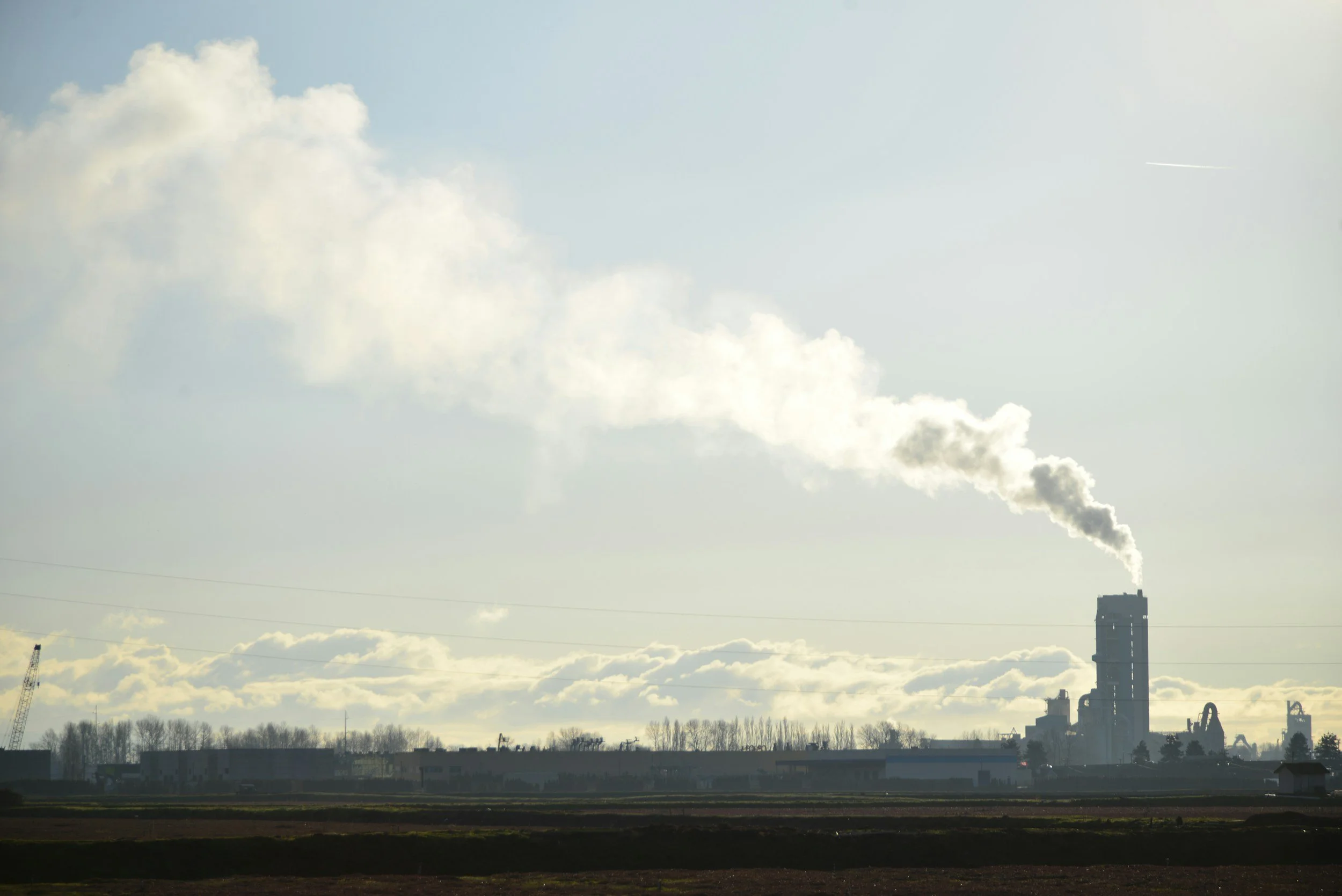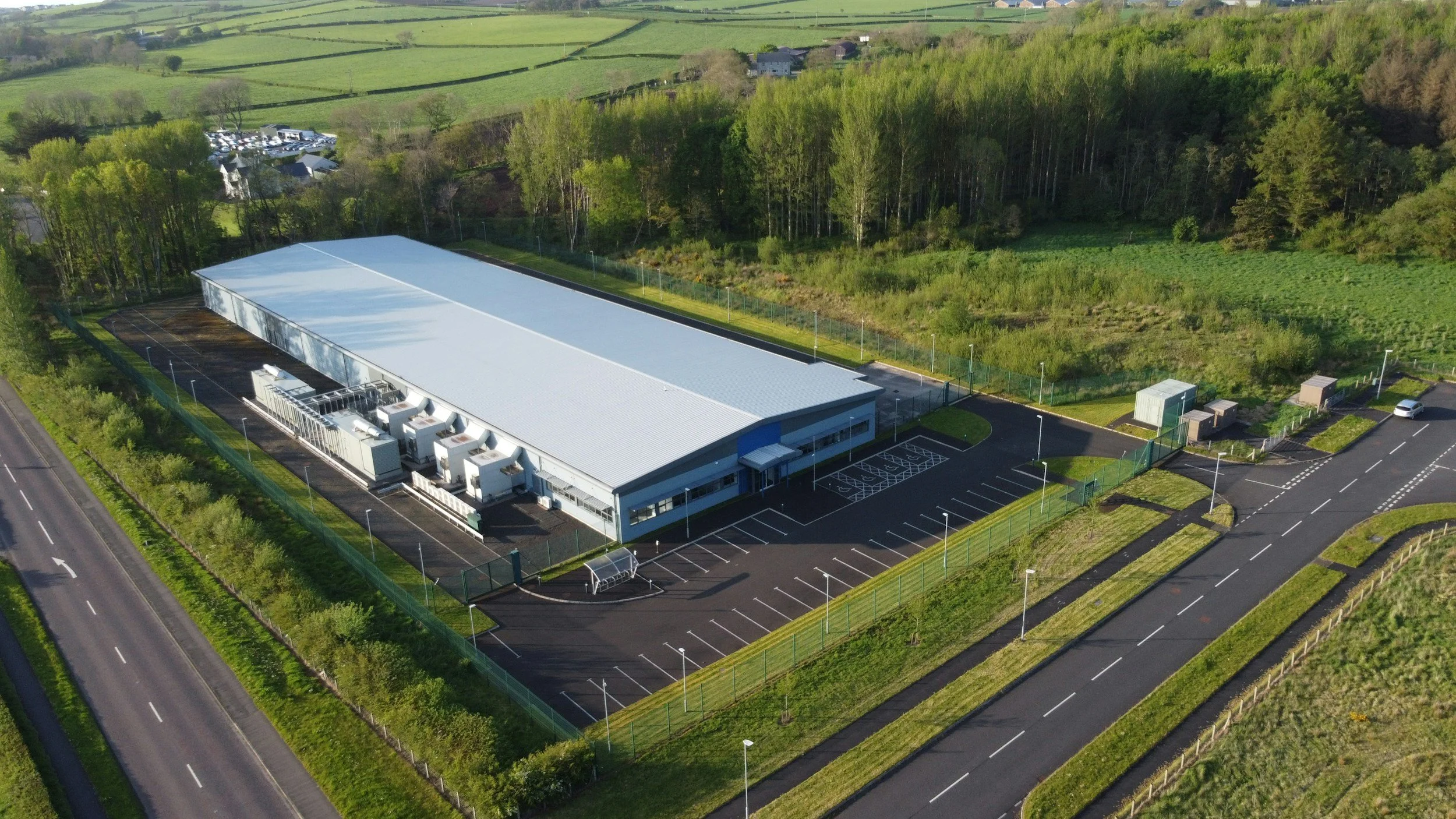

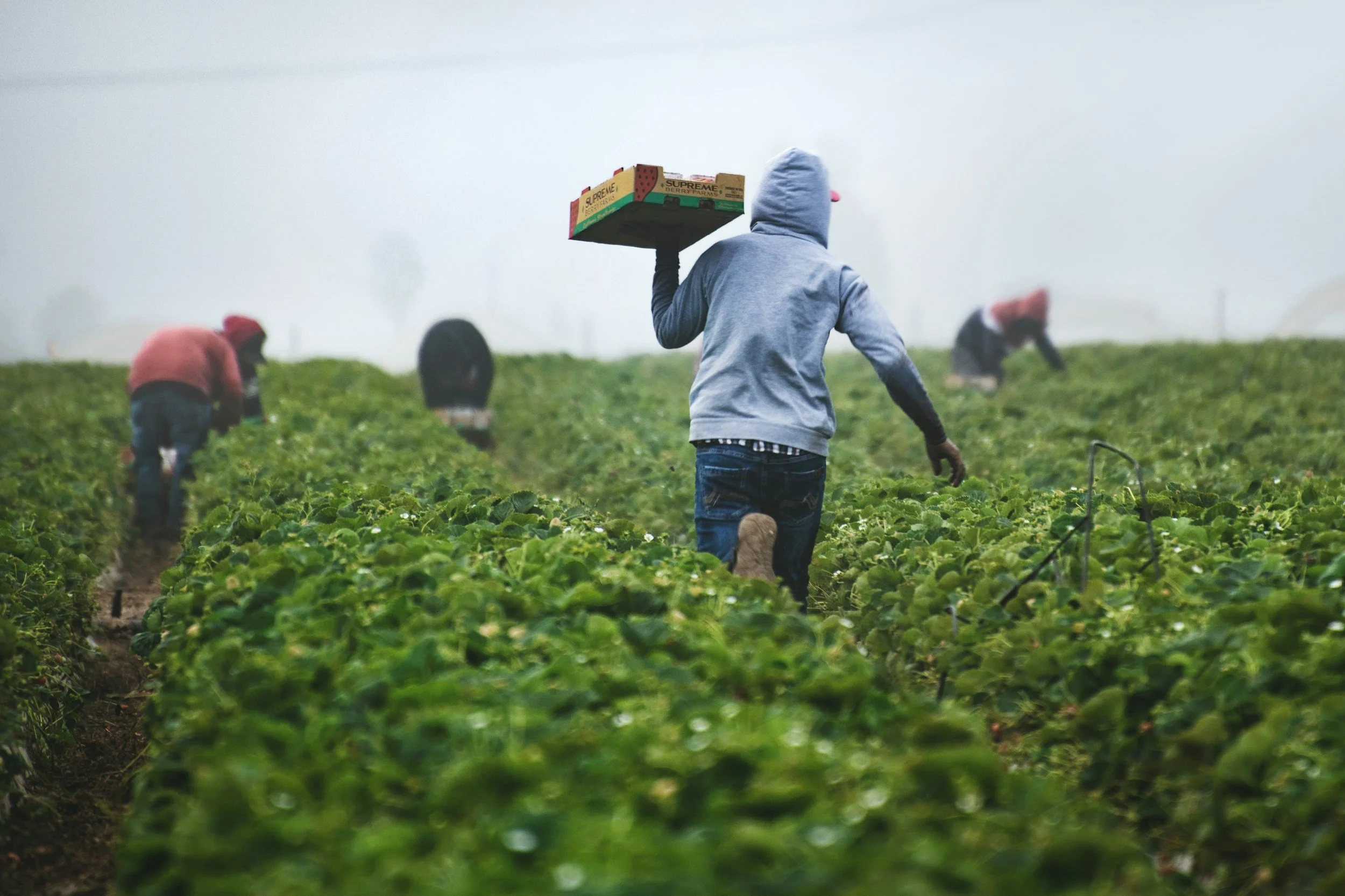


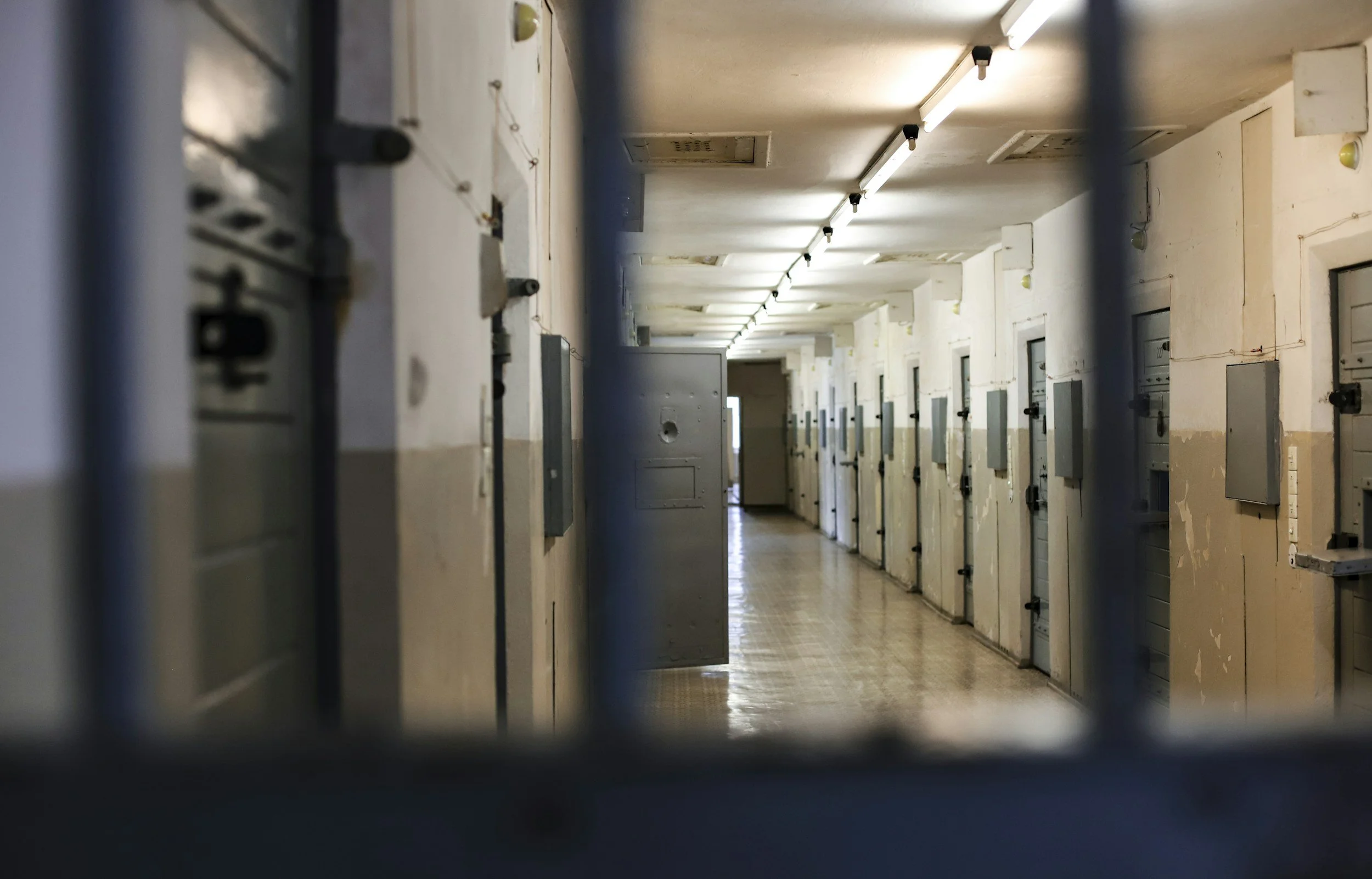
In this blog, 2L staffer Kimberly Thomas examines how environmental law is a means to combat the construction of new immigration detention centers that risk local ecosystems and waterways. Kimberly argues that circuit courts must characterize the construction of immigration detention centers as a "major federal action" under NEPA for the safety of our environment.
The New Kentucky Vogue: Addressing the Growing Crisis of Fast Fashion
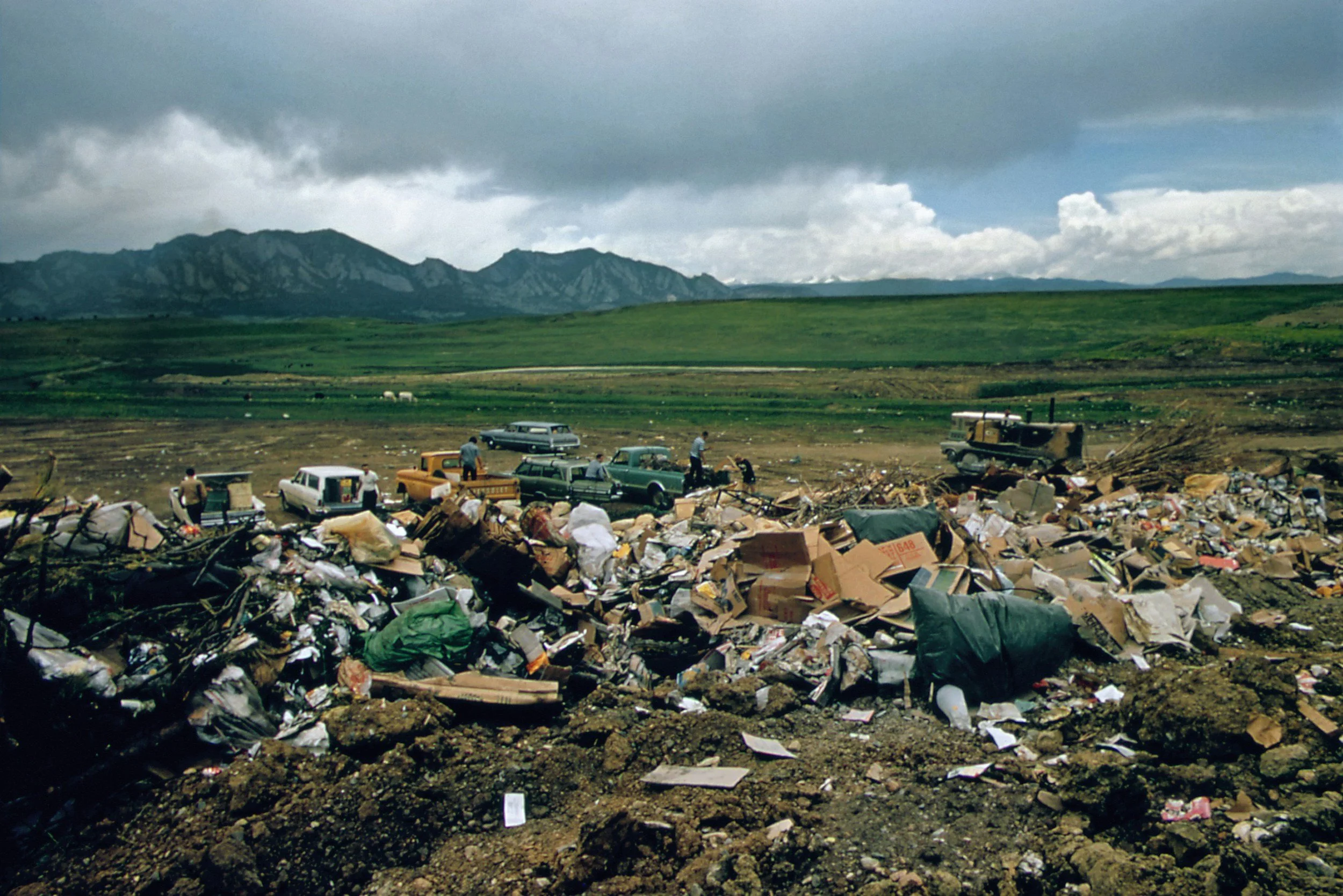
In this blog, 2L Staffer Christina Grimes examines the growing crisis of textile waste in the United States’ landfills as a result of the fast fashion industry. She highlights the serious environmental consequences of this waste, particularly from synthetic fibers commonly used in fast fashion, which can cause significant harm to the surrounding air, soil, and water. Grimes argues that Kentucky should take steps to mitigate this waste by implementing an Extended Producer Responsibility (EPR) program, similar to California’s program, which shifts the responsibility from municipalities to fashion producers for textile end-of-life accountability.
Above the Federal Floor: Examining Kentucky’s Proposed Environmental Standards
In this blog, 2L staffer Mira Talwalkar looks at the newly proposed Kentucky Senate Bill 178, which would prohibit any state environmental regulations from being more stringent than federal ones. Talwalkar argues that this bill ignores Congress’s intentions to give states freedom in determining how they implement local environmental regulations, and is especially concerning in Kentucky, where environmental toxins are present at a higher level than those nationally.
Well, Kentucky, It’s Time to Step Up
In this blog, 2L staffer Lakyn LeMaster argues that Kentucky should adopt stronger safety precautions for private well users. She explains how current regulations leave users unnecessarily exposed to serious health risks posed by common contaminants. LeMaster recommends that Kentucky follow the lead of other states by implementing affordable water testing programs and requiring routine monitoring.
The Rise of Generative AI and Large Language Models has Taken the World by Storm
In this blog, 3L senior staffer Shelby Davidson analyzes the economic boom and rise of generative AI companies which have led states to scramble for the opportunity to capitalize on the growth, creating tax incentives to encourage the construction of new data centers. Davidson highlights the environmental threats posed by data centers, including excessive electricity and water usage, which has led to different approaches to regulation. Davidson argues Kentucky should follow Virginia’s system, with a strict regulatory framework, rather than West Virginia, which has given data centers almost entirely free rein, to the detriment of its citizens.
Taiwan’s Silicon Shield: Deterrence, Dependence, and Vulnerability
In this blog, 3L senior staffer Reed Burrow examines how Taiwan’s dominance in chip manufacturing has placed the island at the center of a potentially major geopolitical conflict. Burrow argues that Taiwan’s “silicon shield” remains a powerful deterrent to Chinese invasion, but warns that its strength ultimately depends on the water and energy resources needed to sustain chip production.
Who Wants the Smoke: How Kentucky Can Repurpose Tobacco Farmland as Carbon Credit Infrastructure
Kentucky's 67,700 farms represent an untapped opportunity in the voluntary carbon credit market, but transaction costs have kept small farmers on the sidelines of a rapidly developing global credit supply. In this blog, 2L staffer Spencer Harris argues that the Kentucky Agricultural Development Board already holds the mandate and the money through the state's $2.8 billion share of the Tobacco Master Settlement. This money can be used to subsidize the verification costs that stand between tobacco-legacy farmers and a new, recurring income stream.
Barn Weddings and Bureaucracy: The Zoning Battle Over Kentucky Agritourism
In this blog, 3L senior staffer Caidan Drenk examines the growing tension between Kentucky’s statutory recognition of agritourism and the continued use of local zoning authority to regulate farm-based events such as weddings and festivals. He argues that although Kentucky law expressly recognizes these activities as agritourism, local land-use regulations can still create significant uncertainty for farmers seeking to diversify their operations. Drenk contends that the Kentucky General Assembly should clarify the relationship between agritourism statutes and local zoning authority to better protect working farms and promote agricultural sustainability.
Should It Stay or Should It Go? EPA’s Dicamba Reapproval and the Timing of Judicial Remedies For Vacatur and Stays
In this blog, 2L staffer Braden Porter argues that courts reviewing pesticide registrations under the EPA should consider staying judgments, rather than vacating during active growing seasons. Porter explains that while vacatur can correct agency actions, the timing of the decisions can harm farmers who rely on federal registrations to plan for the planting and growing seasons. He argues that courts should exercise their discretion to delay the effects of vacatur and preserve their authority, while preventing disruption to seasonal industries such as agriculture.