
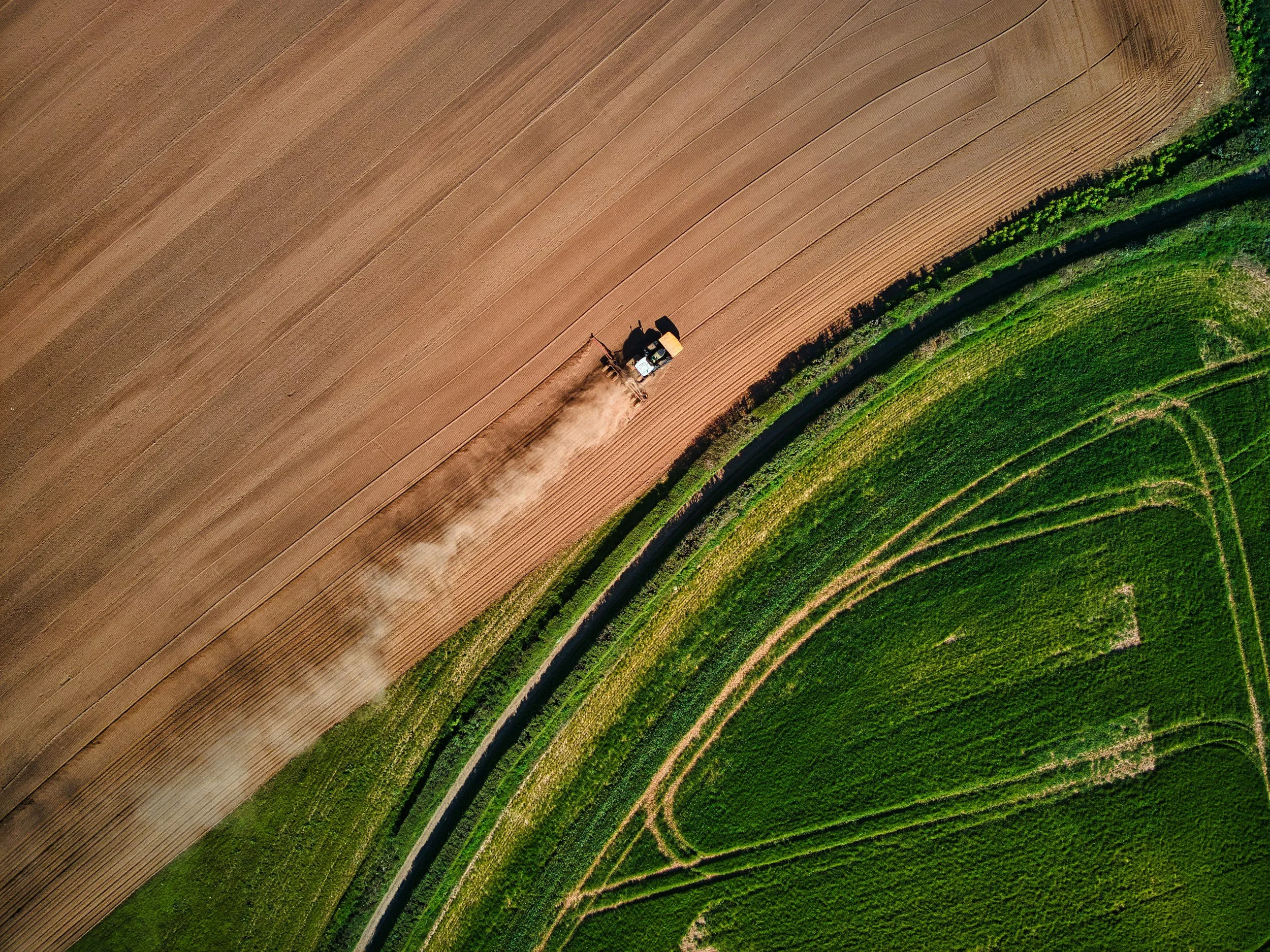
Blog by: Braden Porter
On February 6th, 2026, the Environmental Protection Agency (EPA) reapproved over-the-top (OTT) dicamba for cotton and soybeans.[1] Dicamba is a selective herbicide used to control broadleaf weeds and is used in a variety of crops.[2] This decision incorporated the “strongest protections in agency history” to address “dicamba drift” and environmental exposure.[3] The EPA’s move follows a cycle of decisions by federal courts in 2020 and 2024 that canceled dicamba’s registration.[4] Unfortunately, the result of recurring approvals, litigation, and vacatur has left farmers paying the price.
Agriculture operates on biological timelines that the courts cannot adjust. For farmers, the “growing season” begins long before the seed is planted.[5] For months in advance, farmers align herbicide compatibility with their seed types.[6] They purchase inputs, secure financing, and obtain crop insurance, but once the seed is planted, there is no pause button.[7]
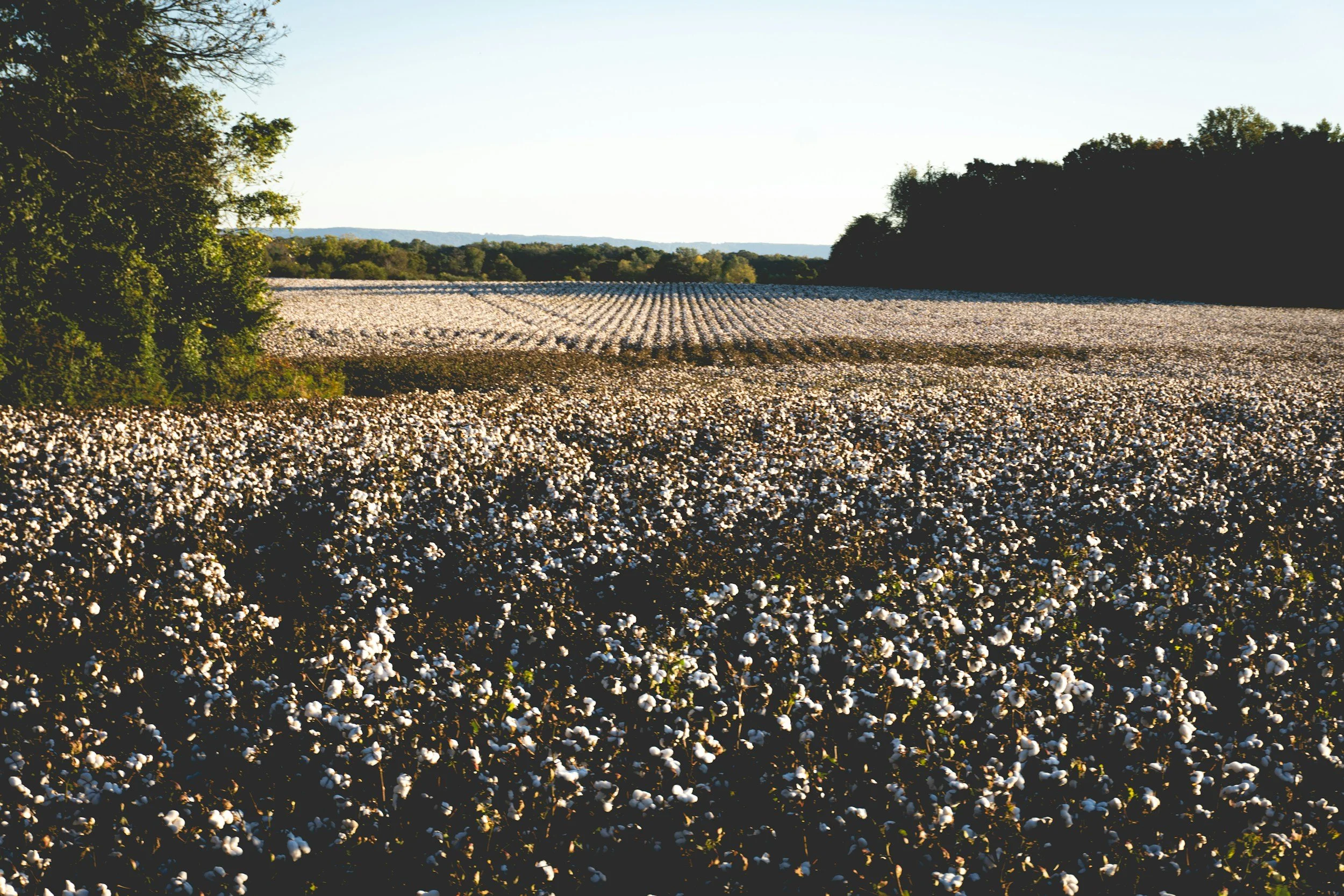
When courts vacated dicamba's registration in the past, the herbicide's legality changed overnight.[8] Under the Administrative Procedure Act (APA), courts are allowed to set aside agency actions that are found to be “arbitrary, capricious, [or] an abuse of discretion.”[9] The remedy often takes the form of a vacatur.[10] If a registration of a pesticide is vacated mid-season, the legal label can become invalid immediately, leaving farmers unsupported and without an essential input.[11] While manufacturers can stop production, farmers cannot prevent their crops from growing.
Under the Federal Insecticide, Fungicide, and Rodenticide Act (FIFRA), the EPA may permit the continued use or distribution of existing stocks, so long as such use or distribution is consistent with the rest of the law.[12] This allowance has prevented disastrous effects resulting from judicial orders. Following the 2020 vacatur of dicamba, the EPA permitted continued use through the end of the season.[13] Similarly, in 2024, the EPA issued an Existing Stock Order permitting the use of the product that was already in the supply chain.[14] Without such extensions, farming seasons would have resulted in total losses. When courts vacate registrations without accounting for seasonal timing, they may impose significant adverse consequences. The judiciary can correct an agency’s error, but the immediate burden falls on the producers who use these products.
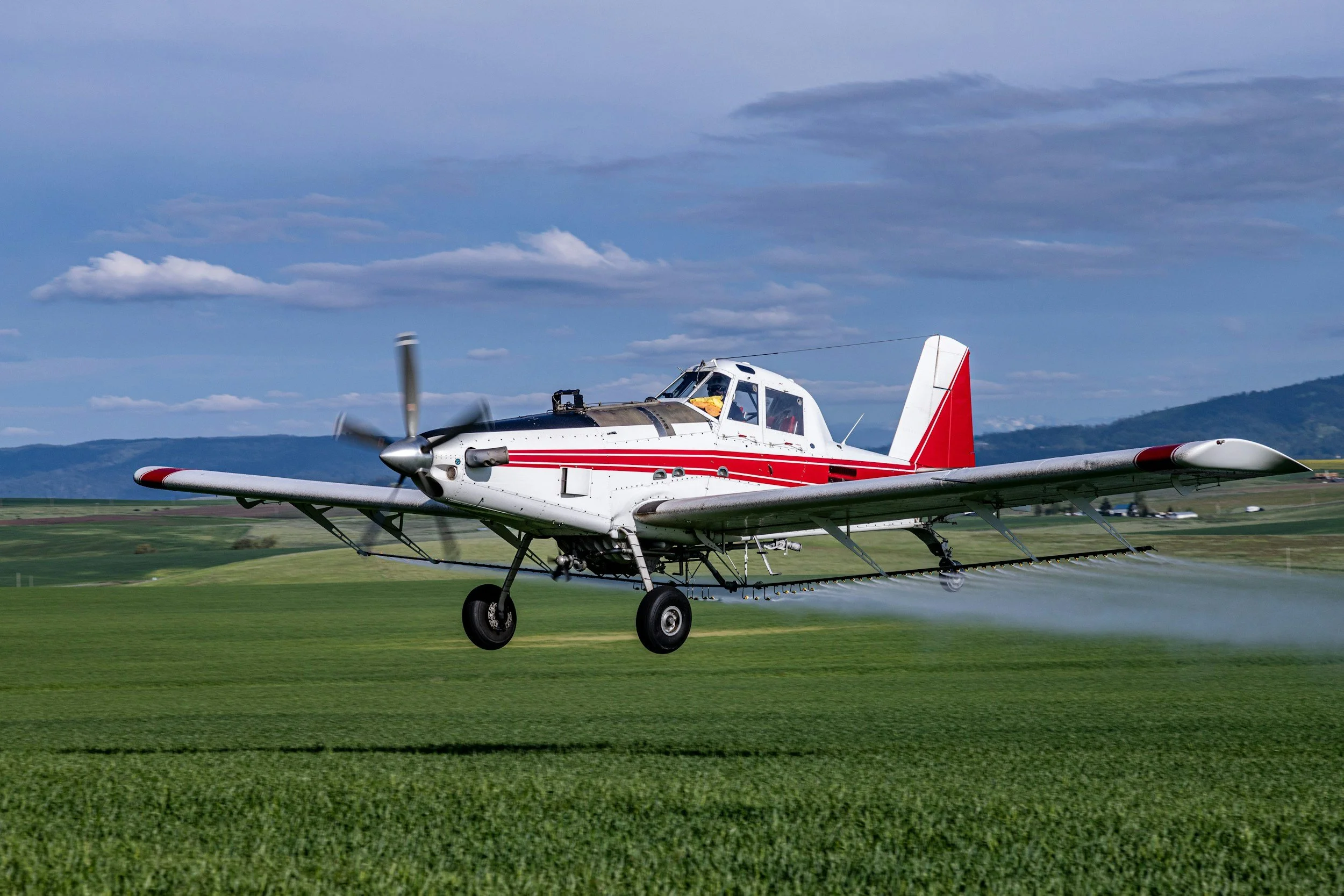
Under the APA, courts must set aside unlawful agency action.[15] But how and when that takes effect are matters discretion.[16] Courts should tailor their remedies to avoid unnecessary interference with parties.[17] Since farming is an industry structured around the seasons, timing matters. Farmers rely on federal registrations as valid law. Yet despite farmers’ reliance, the courts have focused their analysis on the environmental effects of dicamba.[18] Correcting agency errors is essential, but nuance is essential as well. For issues affecting agriculture, courts could issue a stay of judgment rather than an immediate vacatur.[19] This approach preserves judicial review while avoiding preventable harm during growing seasons.
The traditional factors used by the courts provide a framework for determining whether to grant vacatur or delayed relief. When considering a stay, courts should weigh the likelihood of success on appeal, the irreparable harm, the balance of equities, and public interest.[20] In the dicamba cases, these factors should be considered in terms of their impact on farming.
Under the idea of irreparable harm, a missed application window or compromised crop season due to a pesticide losing its license cannot be undone. Because planting seasons are determined months in advance, the potential for change by the courts change can leave farmers scrambling to find alternatives. The availability of alternatives may not coincide with the seasons and weather that are critical to planting.[21] When balancing equities, the court should consider the farmers who have relied on federal approval and face concentrated economic losses, as these decisions affect one’s livelihood.[22]
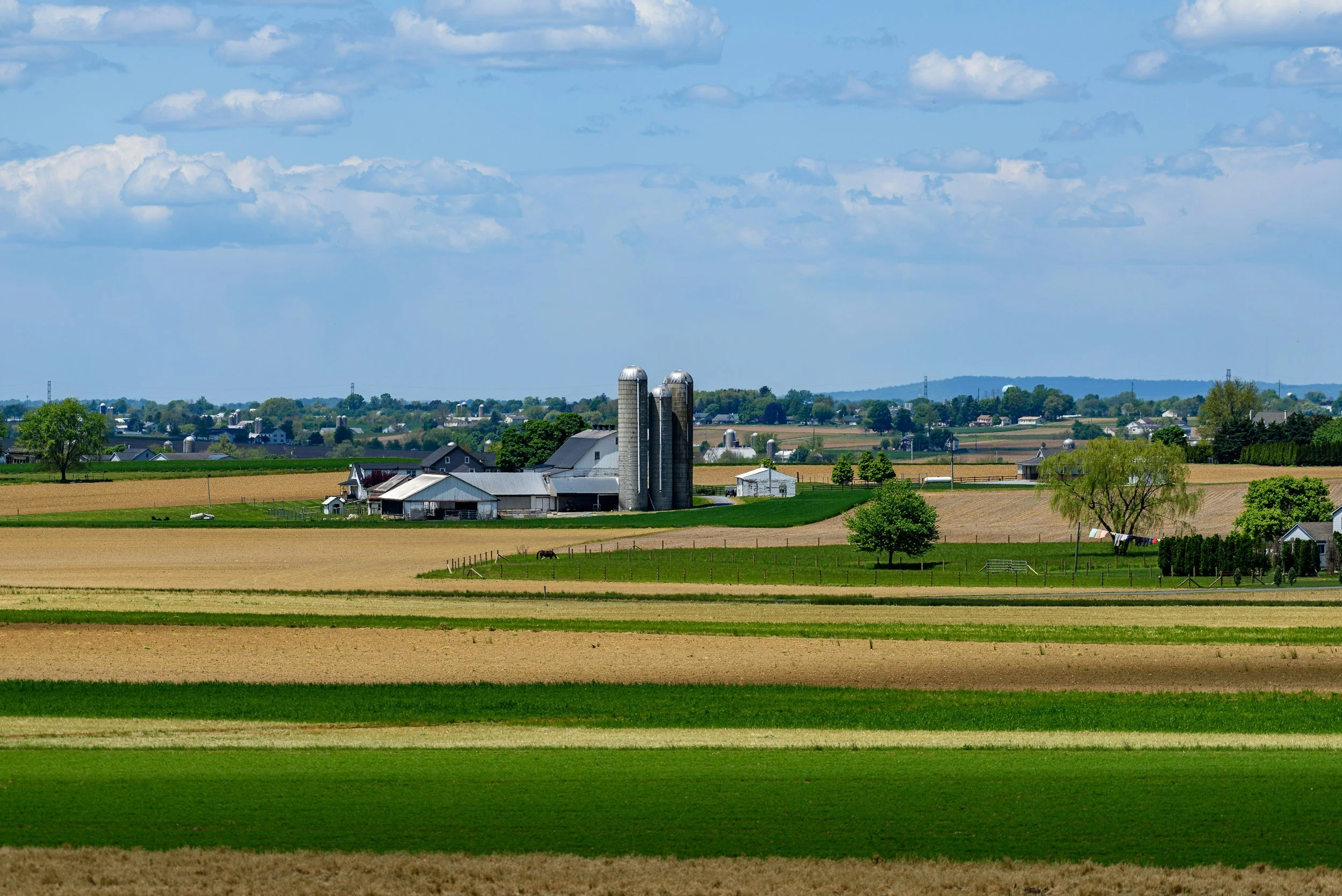
Public interest extends beyond the litigation. The food supply and commodity markets are also impacted by input stability.[23] Judicial decisions to cancel registrations have downstream effects on the availability of commodities.[24] EPA’s 2026 reapproval now includes additional regulations on limits, buffers, and mitigation measures to address prior issues.[25] Supporters argue that the agency has taken an important step in preserving farmers’ access to a vital product,[26] while opponents claim that environmental concerns remain unresolved.[27]
Litigation is imminent as conservation groups challenge the EPA’s re-registration of dicamba. The focus will once again be on whether the EPA has met its legal obligations and addressed environmental concerns. However, courts should also consider the remedial question: should a finding of error halt regulatory approval in the middle of a growing season?
The dicamba cases expose friction between administrative laws and farming seasons. While the court’s role is to ensure the EPA adheres to its regulations, the resulting remedies should not leave farmers “left out to dry.” When a court strikes down an herbicide registration, the legal error is technically corrected in Washington, but the farmer bears the actual cost.
[1] EPA Press Office, EPA Implements Strongest Protections in Agency History for Over-the-Top Dicamba Use on Cotton and Soybeans for Next Two Growing Seasons, EPA (Feb. 6, 2026), https://www.epa.gov/newsreleases/epa-implements-strongest-protections-agency-history-over-top-dicamba-use-cotton-and [https://perma.cc/F485-WVXM].
[2] Dicamba, EPA, https://www.epa.gov/pesticides/dicamba [https://perma.cc/AQ89-FZD5] (last visited Mar. 11, 2026).
[3] Id.
[4] Brigit Rollins, The Deal With Dicamba: EPA Proposes Unconditional Registration for Over-the-Top Use, Nat’l Agric. Law Ctr. (Aug. 12, 2025), https://nationalaglawcenter.org/the-deal-with-dicamba-epa-proposes-unconditional-registration-for-over-the-top-use/ [https://perma.cc/4SG8-2EFL].
[5] Maddie Temple, What You Need to Know Before Placing Your Seed Order, Ctr. for Ark. Farms and Food, (Jan. 23, 2024) https://farmandfoodsystem.uada.edu/what-you-need-to-know-before-placing-your-seed-order/ [https://perma.cc/AH8F-F8H5].
[6] How to match your soybean traits with herbicide system best practices, LG Seeds (May 26, 2022), https://lgseeds.com/agronomy/how-to-match-your-soybean-traits-with-herbicide-system-best-practices [https://perma.cc/X6T6-YGDZ].
[7] How the Farming Industry Works, Umbrex, https://umbrex.com/resources/how-industries-work/agriculture-and-food/how-the-farming-crops-industry-works/ [https://perma.cc/2YZV-WE4B] (last visited Mar. 1, 2026).
[8] See generally, Rollins, supra note 4.
[9] 5 U.S.C. § 706(2)(A)
[10] Benjamin M. Barczewski, “Set Aside” and Vacatur Under the Administrative Procedure Act (Sept. 2, 2025), https://www.congress.gov/crs-product/LSB11357 [https://perma.cc/3DZT-JPES].
[11] See generally, Nat'l Family Farm Coal. v. United States EPA, 966 F.3d 893 (9th Cir., 2020).
[12] 7 U.S.C. § 136d(a)(1).
[13] Peggy Krik Hall, US EPA allows use of dicamba products by July 31, 2020, Ohio State Univ. Extension (June 9, 2020), https://farmoffice.osu.edu/blog/tue-06092020-1022am/us-epa-allows-use-dicamba-products-july-31-2020 [https://perma.cc/XZ5R-NVE4].
[14] EPA Provides Update on Over-the-Top Uses of Dicamba, EPA (Feb. 14, 2024), https://www.epa.gov/pesticides/epa-provides-update-over-top-uses-dicamba [https://perma.cc/U2JR-HDK2].
[15] Barczewski, supra note 10.
[16] Judicial discretion, Legal Info. Inst., https://www.law.cornell.edu/wex/judicial_discretion [https://perma.cc/Z6UY-H9S7] (last visited Mar. 11, 2026).
[17] Trump v. CASA, Inc., 606 U.S. 831, 862-63 (2025) (Thomas, J., concurring).
[18] See generally, Nat’l Family Farm Coal., supra note 11.
[19] Brigit Rollins, Pressing Pause: EPA Asks DOJ to Seek Stays of Litigation, Nat’l Agric. Law Ctr. (Jan. 28, 2021) https://nationalaglawcenter.org/pressing-pause-epa-asks-doj-to-seek-stays-of-litigation/ [https://perma.cc/CCH3-AYX7].
[20] Nken v. Holder, 556 U.S. 418, 426 (2009).
[21] Shelley E. Hughley, For dicamba alternatives, timing and coverage matter, FarmProgress (June 16, 2020) https://www.farmprogress.com/cotton/for-dicamba-alternatives-timing-and-coverage-matter [https://perma.cc/T8VW-CD6R].
[22] See Monsanto Co. v. Geertson Seed Farms, 561 U.S. 139, 148 (2010) (District Court’s order sought to minimize the harm to farmers who had relied on prior regulation decision in their planting).
[23] How does the value of inputs affect agricultural production?, Hedgepoint Glob. Markets (July 12, 2023) https://hedgepointglobal.com/en/blog/how-does-the-value-of-inputs-affect-agricultural-production [https://perma.cc/D5JH-LYM2].
[24] See EPA Press Office, EPA Offers Clarity to Farmers in Light of Recent Court Vacatur of Dicamba Registrations, EPA (June 8, 2020) https://www.epa.gov/newsreleases/epa-offers-clarity-farmers-light-recent-court-vacatur-dicamba-registrations [https://perma.cc/48VU-38YM].
[25] EPA Press Office, supra note 1.
[26] ASA Statement on EPA’s New Dicamba Label, Am. Soybean Ass’n (Feb. 6, 2026) https://soygrowers.com/news-releases/asa-statement-on-epas-new-dicamba-label/ [https://perma.cc/LU2H-UU9S].
[27] Avid Immediate and Chronic Health and Environmental Effects, Drift-Prone Herbicide Slated for Reapproval, Beyond Pesticides (Feb. 9, 2026) https://beyondpesticides.org/dailynewsblog/2026/02/amid-immediate-and-chronic-health-and-environmental-effects-drift-prone-herbicide-slated-for-reapproval/ [https://perma.cc/WFB5-8E9E].