

Blog By: Emma Johns
Eastern Kentucky’s identity has long been tied to coal. For decades, coal mining shaped the region’s economy, its land ownership structures, environmental conditions, and legal landscape. However, a new chapter is emerging: the development of renewable energy projects—particularly solar farms—on reclaimed mine lands. While this transition presents an opportunity for economic revitalization and environmental progress, it also exposes significant legal and policy challenges. Chief among them is whether existing regulatory frameworks adequately protect landowners and local communities, or whether they risk enabling new forms of exploitation under the banner of clean energy.
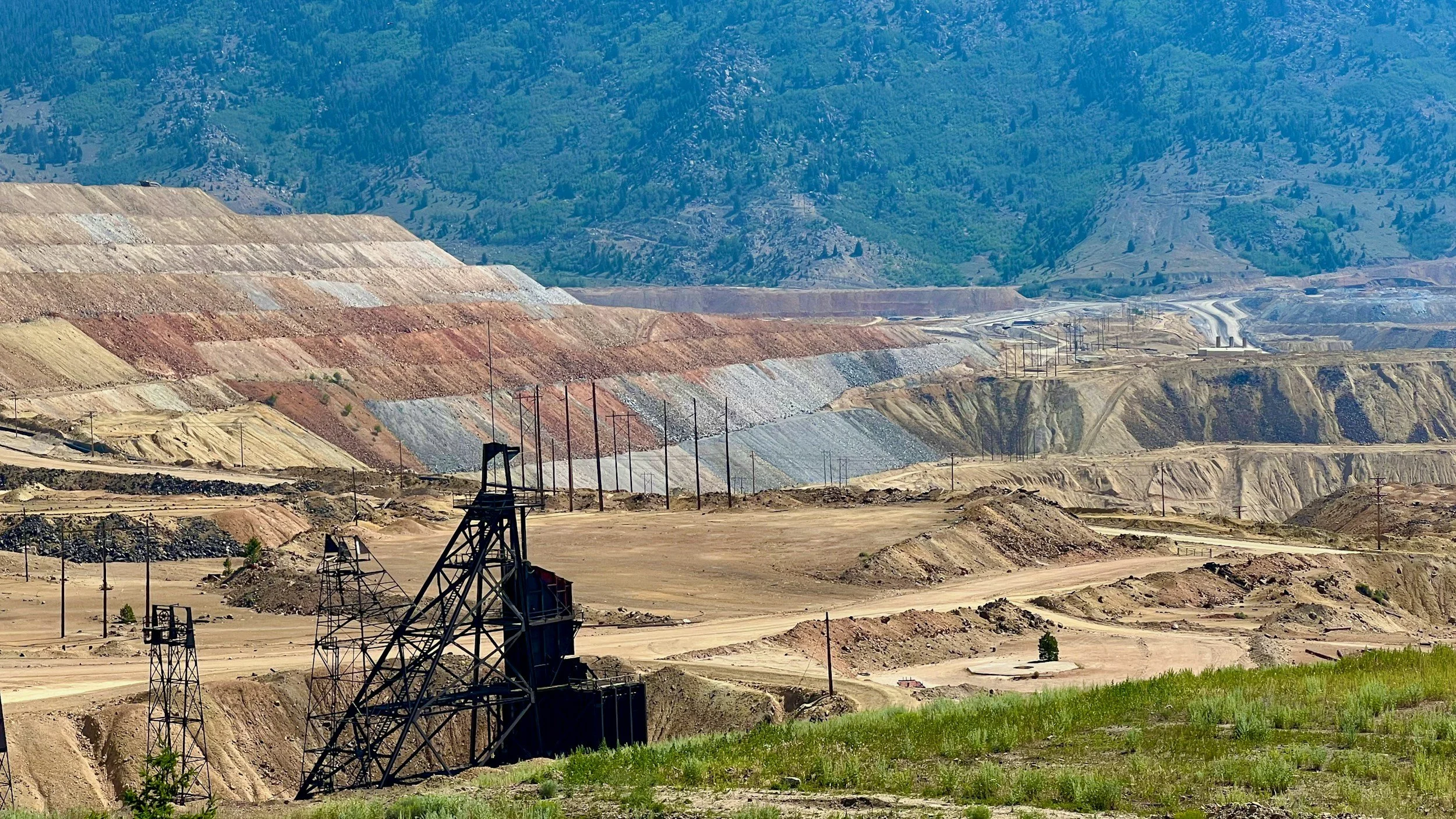
Reclaimed and abandoned mine lands have become attractive sites for solar development due to their large, cleared tracts with existing infrastructure, making them cost-effective sites for renewable energy projects.[1] The U.S. Environmental Protection Agency (“EPA”) has actively promoted the reuse of contaminated lands for renewable energy through initiatives designed to reduce development barriers and encourage investment.[2] In Eastern Kentucky, this potential is becoming reality, with large-scale solar projects planned on former coal mine sites, signaling a shift in how the region’s land is valued and used.[3]
This transition appears to offer a clear win: it transforms environmentally degraded land into a source of clean energy while potentially bringing jobs and investment to communities. Organizations focused on conservation and economic development have similarly emphasized that renewable energy can play a key role in revitalizing coal-impacted communities.[4] However, beneath this optimistic narrative lies a more complicated legal reality rooted in the region’s history of land use and ownership.
Coal mining in Appalachia frequently relied on “split estate” arrangements, in which mineral rights were severed from surface ownership, often leaving surface owners with limited control over land use decisions.[5] Even after reclamation, these arrangements can create uncertainty regarding ownership, leasing authority, and liability, complicating efforts to repurpose land for renewable energy.[6] In some cases, the same structural inequalities that characterized the coal economy persist, raising concerns about who ultimately benefits from redevelopment.[7] Existing regulatory frameworks further contribute to this complexity. Federal reclamation policies focus primarily on stabilizing land and addressing environmental harms rather than guiding long-term redevelopment or renewable energy use.[8] As a result, there is no comprehensive legal framework specifically tailored to solar development on reclaimed mine lands, leaving oversight fragmented among federal, state, and local authorities.[9] This regulatory gap can create uncertainty for developers while also limiting protections for landowners and communities.
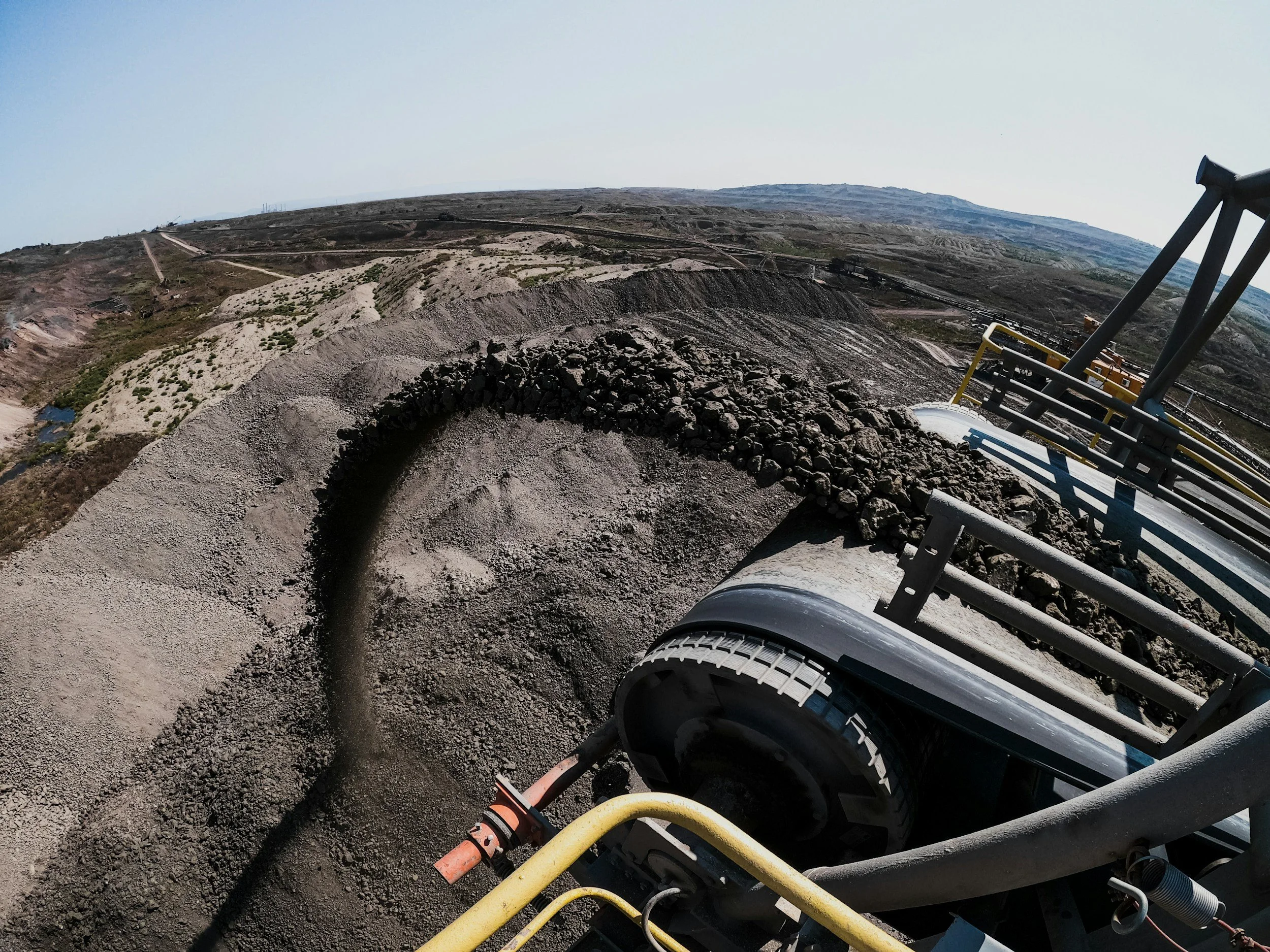
Renewable energy development, while environmentally beneficial, can reproduce patterns of inequality if not carefully regulated.[10] Research on land tenure and solar development demonstrates that projects are often sited on lands controlled by less powerful stakeholders, who may lack the bargaining power to secure equitable agreements.[11] Similarly, studies of the land–energy nexus highlight that weak legal protections can allow developers to prioritize efficiency and profit over local interests, sometimes resulting in reduced access to land or limited economic returns for communities.[12] These concerns are particularly relevant in regions like Eastern Kentucky, where historical power imbalances in land ownership remain significant.[13] Local debates in Kentucky reflect these broader concerns, as communities weigh the benefits of solar development against potential risks to land use, community identity, and local control.[14] Some residents have expressed apprehension about long-term leases, loss of agricultural land, and limited input in siting decisions.[15] Others, however, view solar projects as a necessary and welcome source of economic stability in areas where coal jobs have disappeared.[16]
Ultimately, solar development on reclaimed mine lands represents one of the most responsible pathways for expanding renewable energy. Unlike projects that convert farmland or forests, these developments repurpose land that has already been significantly altered by industrial use.[17] This minimizes environmental disruption while maximizing the productive use of otherwise underutilized land.[18] Moreover, the economic benefits of such projects—including lease payments, job creation, and increased tax revenue—can provide meaningful support to communities transitioning away from coal.[19]
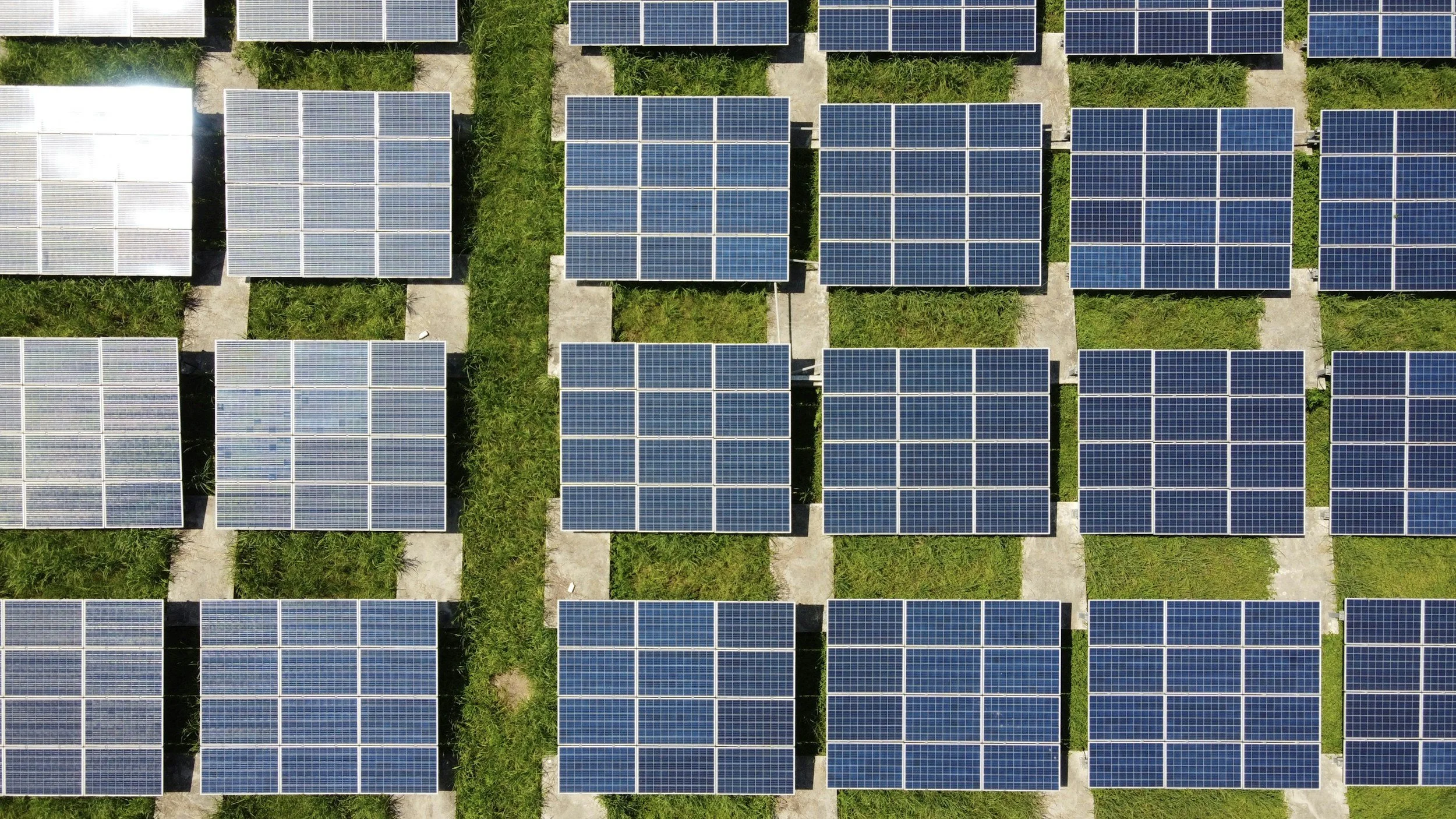
By prioritizing renewable energy projects on reclaimed mine lands, Eastern Kentucky can align environmental goals with economic redevelopment strategies. The appropriate response to concerns about exploitation is not to halt solar development, but to improve the regulatory frameworks that govern it. Strengthening landowner protections, increasing transparency in leasing agreements, and ensuring meaningful community participation can help prevent inequitable outcomes.[20]
Eastern Kentucky now stands at a critical juncture. The same lands that once fueled the nation through coal have the potential to power a cleaner future through solar energy. While legal and policy challenges remain, they are not insurmountable. With thoughtful reform and deliberate planning, solar development on reclaimed mine lands can serve as a model for sustainable and just energy transition. Rather than repeating the extractive practices of the past, this new chapter offers an opportunity to create a more inclusive and resilient energy economy for the region.
[1] U.S. Env’t Prot. Agency, Abandoned Mine Lands Revitalization and Reuse, https://www.epa.gov/superfund/abandoned-mine-lands-revitalization-and-reuse. https://perma.cc/FVS6-KZAA
[2] Id.
[3] Phil McKenna, Massive Solar Farm Planned for Coal Mine Site in Eastern Kentucky, Yale Climate Connections (July 2024), https://yaleclimateconnections.org/2024/07/massive-solar-farm-planned-for-coal-mine-site-in-eastern-kentucky/. https://perma.cc/5CLK-2Q9Z
[4] The Nature Conservancy, Solar Powering Change in Kentucky, https://www.nature.org/en-us/what-we-do/our-priorities/tackle-climate-change/climate-change-stories/solar-powering-change-kentucky/. https://perma.cc/N976-2LES
[5] Mountain Ass’n, Kentucky’s New Energy Landscape: The Controversy Behind Solar Farms, https://mtassociation.org/energy/kentuckys-new-energy-landscape-the-controversy-behind-solar-farms/. https://perma.cc/LW4T-MJ7Y
[6] U.S. Env’t Prot. Agency, supra note 5.
[7] J. Smith et al., To Own the Land Is to Own the Sunlight: The Significance of Land Tenure for Solar Power, Sustain. Sci. (2025), https://link.springer.com/article/10.1007/s11625-025-01674-y. https://perma.cc/WV4K-WHDW
[8] U.S. Env’t Prot. Agency, supra note 5.
[9] Id.
[10] Smith et al., supra note 4.
[11] Id.
[12] Bouchra El Houda Lamhamedi & Walter Timo de Vries, An Exploration of the Land–(Renewable) Energy Nexus, 11 Land 767 (2022), https://www.mdpi.com/2073-445X/11/6/767. https://perma.cc/Y2PV-6YW7
[13] Mountain Ass’n, supra note 1.
[14] Lexington Herald-Leader, Kentucky Business News Article, https://www.kentucky.com/news/business/article311552493.html. https://perma.cc/3Q3C-2NXR
[15] Mountain Ass’n, supra note 1.
[16] McKenna, supra note 2.
[17] U.S. Env’t Prot. Agency, supra note 5.
[18] Id.
[19] The Nature Conservancy, supra note 12.
[20] Lamhamedi & de Vries, supra note 18.