



Is Sorghum oil the transportation fuel of the future? In this post 3L, Olivia Slusher, writes about the benefits of Sorghum oil as a viable transportation fuel alternative.

In this blog, staffer Aaron Withers examines House Bill 320, which in 2024 shortened Kentucky's limitations period for civil rights and wrongful-discharge claims from five years to three without saying whether the change reaches claims that had already accrued. Withers argues that under KRS 446.080(3), claims that accrued before July 15, 2024 remain subject to the five-year period, and that courts lack authority to write in the grace period the General Assembly left out. He urges the General Assembly to adopt a default transition rule in KRS Chapter 446, explaining why certainty matters to Kentucky farms and mineral interests.
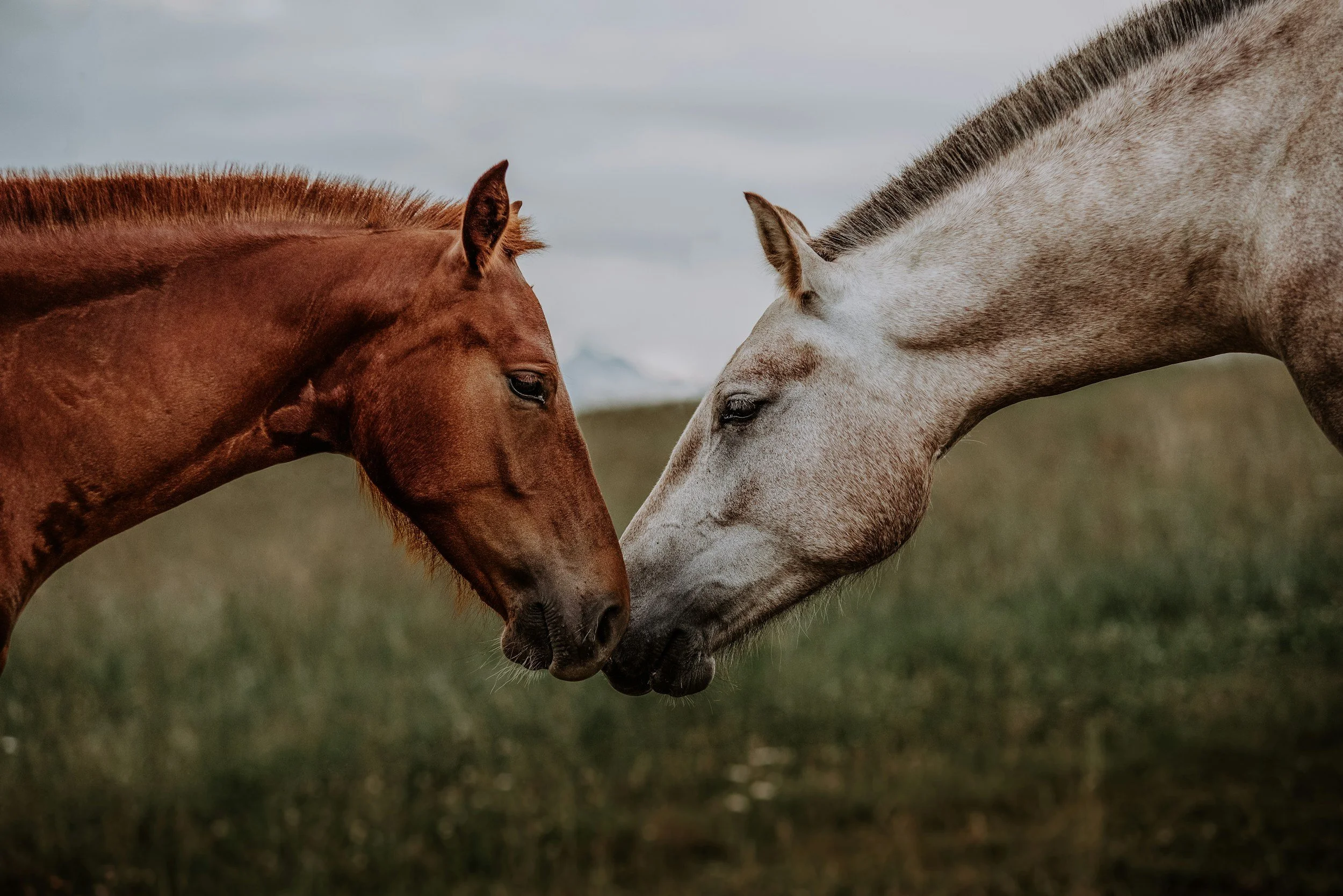
In this blog, 3L staffer Emma Johns examines how equine genetic testing raises questions about control over genetic information and disclosure obligations in Kentucky horse sales. She argues that Kentucky should encourage clearer sale and testing agreements governing disclosure, sample retention, and data use, while clarifying when known genetic results trigger the warranty exception for sellers who knowingly sell diseased animals.
In this blog, 3L staffer Jordan Guancione explores how Kentucky divorce courts should value unborn racehorses by looking to how courts have divided unvested pensions and stock options. She examines the “immediate offset” method as a potential solution for dividing an asset whose future value remains uncertain.
In this blog, 2L staffer Kristen Bailey analyzes Disney's “Living with the Land” attraction that takes guests through a tour of one of Disney's greenhouses, showcasing their innovative and sustainable agricultural practices. Disney goes above state regulations and follows stricter self-created guidelines, posing the question of whether state law adequately protects indoor agriculture when Disney is going beyond state and federal regulations to create their own. This blog argues that states should enact more specific and detailed regulations regarding indoor agricultural practices in order to best protect our environment.
In this blog, 3L staffer Lakyn LeMaster analyzes how the increasing popularity of GLP-1 medications may be reshaping consumer food habits and, in turn, impacting Kentucky’s agricultural industry. LeMaster addresses the risks that changing demands could create for Kentucky, particularly as consumers purchase less ultra-processed and fast food while showing increased interest in fresh foods. Ultimately, she argues that Kentucky’s agricultural community should proactively monitor these trends and encourage diversification to ensure producers are prepared for an evolving market.