




Blog By: Erik Farleigh
3L Staffer Erik Farleigh argues that government subsidies in the emerging carbon capture industry will stifle the innovation that makes carbon capture technology so exciting.

In this blog, 3L staffer Jordan Guancione explores how Kentucky divorce courts should value unborn racehorses by looking to how courts have divided unvested pensions and stock options. She examines the “immediate offset” method as a potential solution for dividing an asset whose future value remains uncertain.
In this blog, 2L staffer Kristen Bailey analyzes Disney's “Living with the Land” attraction that takes guests through a tour of one of Disney's greenhouses, showcasing their innovative and sustainable agricultural practices. Disney goes above state regulations and follows stricter self-created guidelines, posing the question of whether state law adequately protects indoor agriculture when Disney is going beyond state and federal regulations to create their own. This blog argues that states should enact more specific and detailed regulations regarding indoor agricultural practices in order to best protect our environment.
In this blog, 3L staffer Lakyn LeMaster analyzes how the increasing popularity of GLP-1 medications may be reshaping consumer food habits and, in turn, impacting Kentucky’s agricultural industry. LeMaster addresses the risks that changing demands could create for Kentucky, particularly as consumers purchase less ultra-processed and fast food while showing increased interest in fresh foods. Ultimately, she argues that Kentucky’s agricultural community should proactively monitor these trends and encourage diversification to ensure producers are prepared for an evolving market.
In this blog, 2L staffer Grace Hager analyzes the escalating legal crisis facing the "Clean Beauty" industry driven by 2026 FDA findings and new state-level bans. Hager explores the debate between the industry’s current reliance on self-defined clean standards versus the growing legal demand for lab-verified transparency. Ultimately, she takes the position that retailers must assume a heightened legal risk that can no longer be hidden by vague marketing claims.
In this blog, senior staffer Amy Rice argues that the FDA should fully embrace a "method-neutral" approach by accepting New Approach Methodologies (“NAMs”) as primary evidence of drug efficacy. She contends that traditional animal testing is often an outdated and poor predictor of human outcomes, whereas modern tools like organ-on-chip models offer superior scientific precision. Ultimately, Rice asserts that regulators must move beyond historical biases to implement the FDA Modernization Acts, thereby accelerating innovation and reducing the costs of biomedical and agricultural development.
Blog By: Nathaniel Richey
Whatever their reasons for buying organic, American consumers of organic food rely on the integrity of the “USDA Organic” label. In this blog, 3L Staffer Nathaniel Richey discusses some longstanding concerns about the poor enforcement of the USDA organic standards. The USDA seeks to address these concerns through the new Strengthening Organic Enforcement Rule, a better-late-than-never effort by the agency to improve the organic label’s integrity.
Blog By: Justin Potter
In this blog, 3L Staffer Justin Potter discusses the BLM’s promulgation of the updated rules regarding methane waste and found itself caught between courts declaring them arbitrary and capricious. This blog discusses the principal case on these rules and why the Wyoming District Court took issue with BLM's reliance on ancillary factors.
Blog By: Kaitlyn Willis
In this blog, Kaitlyn Willis discusses the purpose of the Endangered Species Act (ESA) and the various changes it has seen during the past two presidential administrations. In February 2023, the Fish and Wildlife Service proposed a new rule under the ESA which would allow the FWS to issue incidental take permits for non-listed species. Kaitlyn argues that this rule is in accordance with the purpose of the ESA and would reinforce protection for both threatened and endangered species.
Blog By: Braydan Roark
In this blog, 3L staffer Braydan Roark talks about the various alternatives to surface mine reclamation and restoring land to a higher or better use after the mine is no longer in use. Several landowners and coal companies favor the pastureland method of land reclamation, which involves smoothed over hills with little plant growth. Braydan argues that more landowners and coal companies ought to consider the forestland use reclamation method, which aims to restore post-mining land to a productive forest habitat.
Blog By: Shelton Owen
In this blog, 2L staffer Shelton Owen warns that the FTC’s proposed ban on non-compete clauses could have a detrimental effect on agriculture. Specifically, she argues that the ban would inhibit agricultural producers’ ability to protect trade secrets, such as cultivation techniques, fertilizer recipes, and other specialized creation methods. To avoid this, Shelton argues that the ban should not go into place.
Blog By: Leen M. Heresh
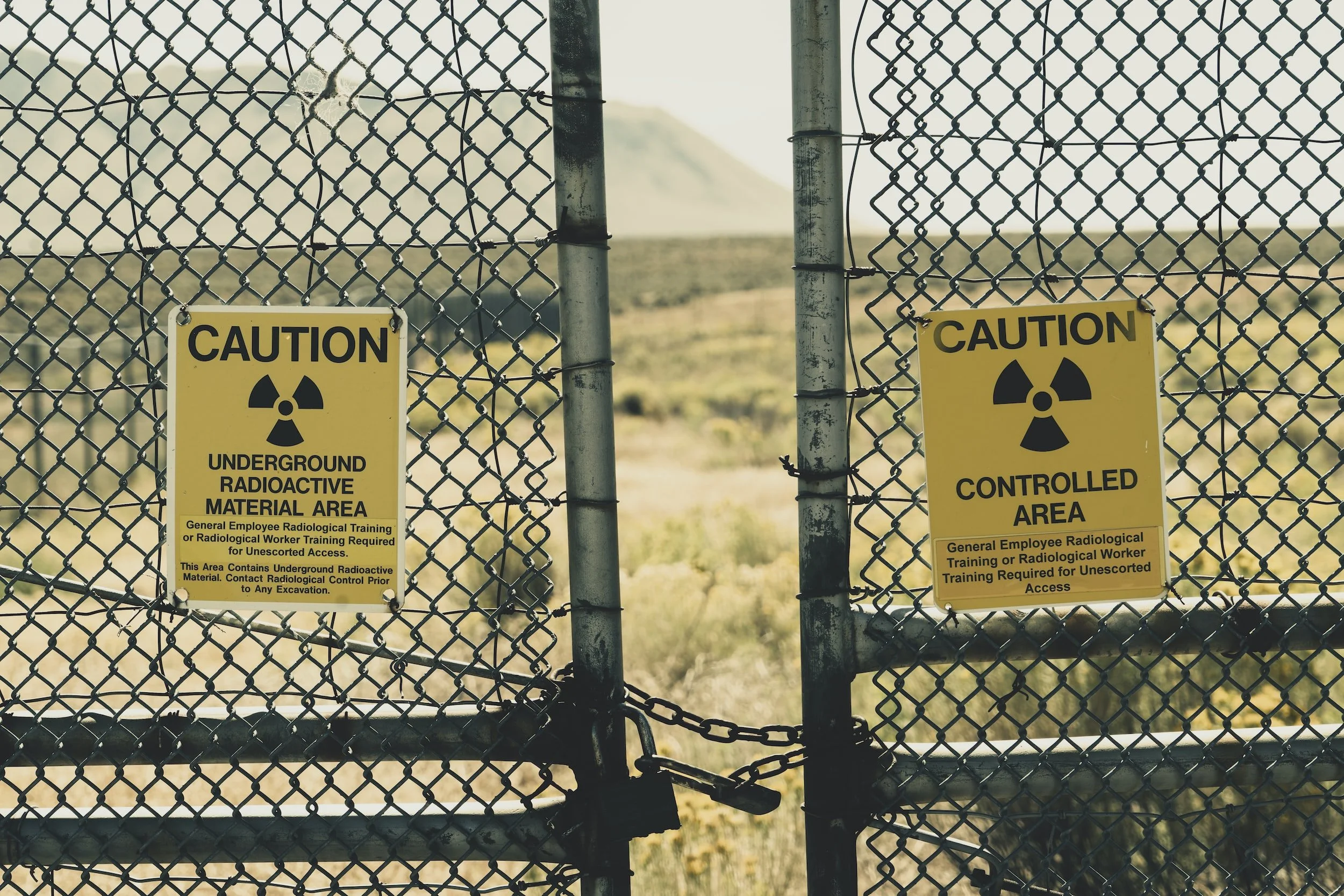
The Price-Anderson Act was put in place to compensate members of the public who incur damages from nuclear and radiological incidents. In this blog, 3L staffer Leen Heresh discusses the shortcomings of the Price-Anderson Act through cases involving plaintiffs in Paducah, Kentucky and Portsmouth, Ohio. Heresh ultimately argues that the Price-Anderson Act should be repealed as it does not truly help the impacted plaintiffs as written.