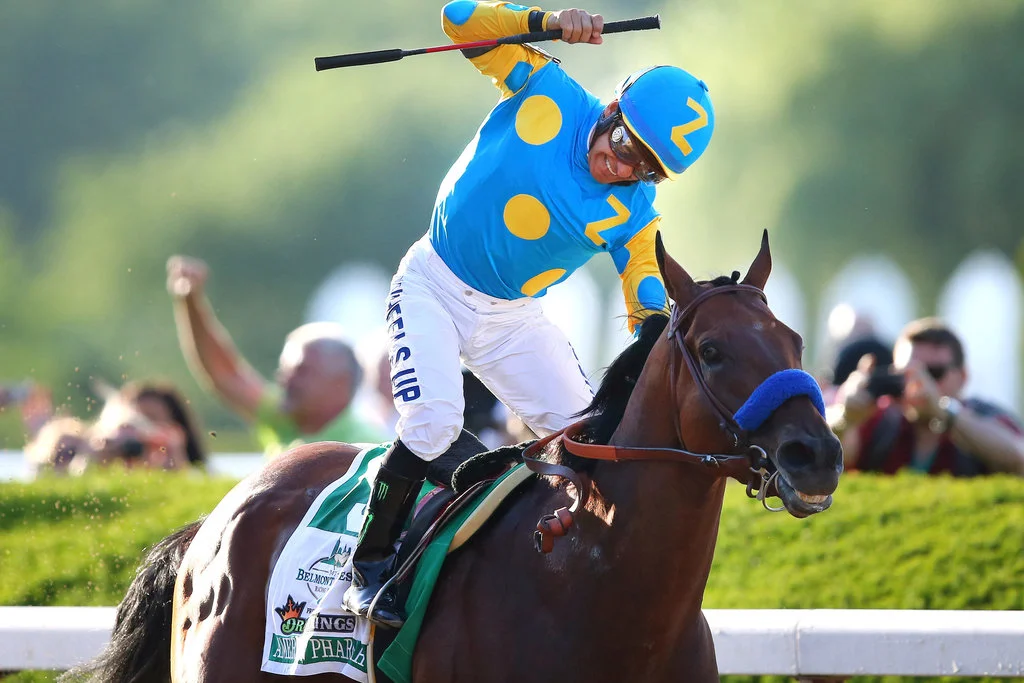
For the first time in 37 years, it has been done. American Pharoah, a three-year-old bay colt, is the first horse in 37 years, and the twelfth horse in history to win the Kentucky Derby, Preakness Stakes, and Belmont Stakes, also known as the Triple Crown.
Impact of California’s Drought on Wine Industry
With the continuing drought in California, the agricultural industry may be fearful of losing its top spot on the ERA’s list for the top agricultural producing state— worth roughly $46 billion and employing 1.7 million people. However, one particular crop may not be as threatened as the rest—California’s celebrated grapevine.
Tax Policies for Kentucky’s Potential Marijuana Industry
Urban Agriculture on the High Rise: How Vertical Farming will Influence the World’s Cities
Dr. Dickson Despommier, professor of public health at Columbia University, created the concept of “vertical farming” back in 1999. Dr. Despommier and his students discovered that with a city, like New York, instead of looking towards flat land for food growth, the city should start looking up. Dr. Despommier and his class on medical ecology estimate that 30-story vertical farm towers could feed 50,000 people.
Garbage May Be the Future Food Choice for Indiana Swine
In Kentucky, “feeding garbage to swine” is prohibited, even if the garbage has been treated. Additionally, garbage fed swine cannot be imported into the state. Across the Kentucky border in Indiana, a bill was introduced in the House that may amend Indiana law to allow treated garbage to be fed to swine.
Students Push for Fossil Fuel Divestment
Recently, students from all over the country have started pushing their college or university to divest from fossil fuel companies. Students at Swarthmore College, where the movement was born in 2011, have been staging a sit-in for nearly a month asking the school to sell its holdings in the top 200 coal, oil, and gas companies.
California's Push to Regulate the Interstate Egg Market
In 2008, California voters concerned with the condition of egg laying hens, and other farm animals, took to the ballot and passed the initiative known as Proposition 2. At the time Prop 2 was passed, ninety-five percent of U.S. farm hens were kept in cramped, wire battery cages stacked on top of each other in warehouses.
LASIX-FREE RACES AT KEENELAND EXPECTED TO DEBUT IN 2016
The Kentucky Horse Racing Commission (KHRC) recently approved a controversial proposal to allow racetracks in the Commonwealth to card races where the competing horses would not be allowed to be administered furosemide on race day. Furosemide, an anti-bleeding medication commonly known as Lasix, is intended to decrease the effects of exercise-induced pulmonary hemorrhage (EIPH). While some initially thought the vote could have an impact at the 2015 Breeders’ Cup World Championships, which is scheduled to be run at Keeneland on October 30-31, Keeneland President and CEO Bill Thomason said he does not expect Keeneland to schedule any Lasix-free races until 2016.
Wagers and W-2GS
The 141st running of the Kentucky Derby is upon us. Although most taxpayers have filed their 2014 returns with the IRS, cashing a winning ticket on May 2nd could come with a price. Racetrack winnings, like other gambling income, are subject to federal income tax. Currently, the Internal Revenue Service permits taxpayers to deduct gambling losses against winnings. The tax-code’s treatment of racetrack gambling proceeds has not changed much over the years, but many handicappers were relieved to see that the exemption escaped the new limits on itemized deductions that Congress enacted in 2013.