



A Cheesy Dilemma: FDA Regulations Melting Foreign Cheese Manufacturers

By: Alexis Gonzales

​The Food and Drug Administration recently placed harsher restrictions on the importation of cheese.[i] The restrictions are targeted at non-toxigenic E. coli present in the cheese.[ii] More specifically, the permitted amount of non-toxigenic E. coli was lowered from 100 MPN (most probable number) to 10 MPN.[iii]

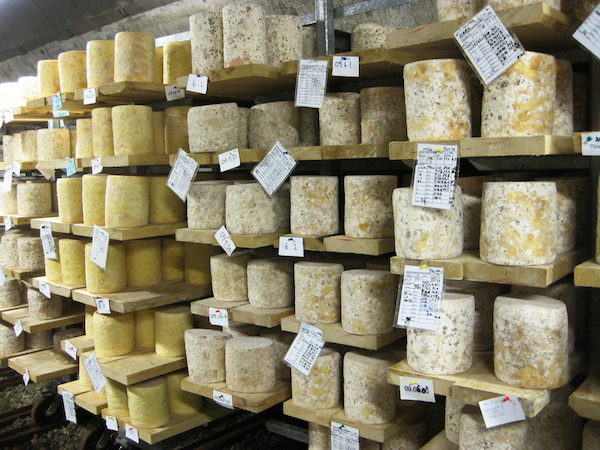
The new restriction is placing a particularly large strain on foreign raw milk cheese manufacturers.[iv] Cheeses, such as the popular Roquefort, that use age-old recipes are not likely to be altered to comply with regulations.[v]  The recent crackdown by the FDA can be traced back to 2010 and the Food Safety Modernization Act.[vi] The act granted broader powers to the FDA to better manage food safety, including in the area of smaller cheese manufacturers.[vii]

Cheese fans are largely opposed to the stricter guidelines and fear that foreign cheese manufacturers will simply discontinue sending any raw milk cheeses to the United States as a result.[viii] However, the FDA stands by its decision to reduce the permitted amount of non-toxigenic E. coli.[ix] The FDA argues that the presence of a large amount of non-toxigenic bacteria must mean the facility producing the cheese is unclean.[x] The FDA likely fears the risk of foodborne illnesses that can arise from the use of raw, or unpasteurized, milk.

This is also not the first occurrence of the FDA placing stricter regulations on the cheese manufacturing community this year. Many artisan cheese makers took the statements of an FDA branch chief claiming the use of wood aging boards for cheese could lead to the spread of pathogens.[xi] After the outcry from the cheese community, the FDA released a clarifying statement, and emphasized that they did not plan to ban the use of wood aging boards.[xii]

The FDA is exercising its regulatory power of cheese manufacturers in an increasingly controversial manner. While the intentions of the FDA to avoid the spread of foodborne illness and promote healthy manufacturing processes may be legitimate, they also pose the risk of chilling the work of artisan cheese makers. Inconsistencies and rapid changes in regulation may lead to a decrease in availability of some of the world’s best cheeses.


[i] Janet Fletcher, FDA restrictions keeping some great cheeses out of stores, Los Angeles Times. (Sept. 3, 2014). http://www.latimes.com/food/dailydish/la-dd-new-fda-regulations-cheeses-20140903-story.html.

[ii] Id.

[iii] Id.

[iv] Id.

[v] Sean Kennedy, Foodies beware: The FDA is coming for your French cheese, CNN. (Sept. 8, 2014). http://www.cnn.com/2014/09/05/politics/fda-cheese-rules/.

[vi] Id.

[vii] Id.

[viii] Id.

[ix] Fletcher, supra note i.

[x] Id.

[xi] Gregory S. McNeal, FDA Backs Down in Fight Over Aged Cheese, Forbes. (June 10, 2014). http://www.forbes.com/sites/gregorymcneal/2014/06/10/fda-backs-down-in-fight-over-aged-cheese/.

[xii] Id.

An Oasis in the Desert: Tunisia’s Solar Plants will Quench Europe’s Energy Thirst

Nur Energy, a Tunisian company, plans on harnessing solar energy in the Sahara Desert, one of the largest deserts in the world.  With a global depletion of natural resources, energy scientists and companies have begun to utilize alternate forms of energy. Raw forms of energy, like solar energy from the sun, have become increasingly popular. Solar energy is inexpensive and in many places, like the Sahara Desert, is readily available for use. The Sahara, with its vast desert plains and almost constant sunlight proves to be a great place for multiple solar plants. The intense radiation from the constant, incoming rays along the Sahara, especially in Tunisia, can prove to be a major solution to this negative dependency on fossil fuels.

Bees and the Controversial Use of Neonicotinoid Pesticides

The recent upsurge in mass numbers of unexplained bee deaths has stirred debate over what could be causing these incidents around the globe. Some scientists now believe that a specific class of pesticides called neonicotinoids might be to blame. Last December, the European Union enacted a two-year ban on three types of neonicotinoid pesticides in response to the European Food Safety Authority’s report that stated that neonicotinoids pose “high acute risks” to pollinators, likes bees. The U.S. currently has no such ban in place. However, the EPA has expressed similar apprehension over the insecticide’s long-term effects, and certain U.S. cities are currently considering instituting local bans. 

Louisville Will Soon See an End of Plastic Bag Usage for Yard Waste Collection

While California is “executing the nation’s first statewide prohibition against grocery stores providing single-use plastic bags,” Jefferson County, Kentucky has adopted a regulation banning the use of most plastic bags for yard waste collection as a means of addressing litter and landfill concerns. On Tuesday, May 6th, 2014 the Louisville and Jefferson County Metro Government Waste Management District’s board voted unanimously (4–0) to approve a regulation banning most plastic bags for yard waste collection. The resolution approved by the waste management board adopted Yard Waste Container Regulation 51.507R, which states, “Containers for the collection of yard waste shall meet the requirements of LMCO Chapter 51.507. As an alternative yard waste may be set out in paper yard waste bags or certified compostable bags meeting ASTM D6400 standards.” In an effort to educate citizens before the regulation becomes effective on January 1, 2015, the Louisville Public Works website provides essential information including the types of acceptable containers, how yard waste will be collected, and links to other useful resources on the subject.

A Win for Workers: The EPA’s Duty to Consider Impacts on Coal Industry’s Employment

Murray Energy Corporation, along with eleven of its subsidiaries located in Kentucky, Illinois, West Virginia, Utah, and Pennsylvania, filed suit against the Environmental Protection Agency (EPA) in March, arguing that the EPA has undergone a “war on coal” by increasing regulation of coal production. Recently, the EPA’s motion to dismiss the suit was denied, allowing Murray’s claim to proceed. The Clean Air Act (CAA) allows industry to file suit against the EPA when the challenging industry can allege the EPA failed “to perform any act or duty under [the CAA] which is not discretionary.” Murray claims the EPA failed to fulfill Section 321, which requires the agency to consider regulations’ effects on industry jobs.

A Horse! A Horse! My Fourth Amendment Right for a Horse!

In the recent case of State v. Fessenden, the Supreme Court of Oregon held that a police officer did not violate a person’s Fourth Amendment right to be free from unreasonable search and seizure when the officer entered private property, without a warrant, in order to seize an emaciated horse and take it to a veterinarian for treatment. In upholding the two defendants’ convictions for animal abuse and animal neglect, the court concluded that the officer acted lawfully because he had probable cause to believe the crime of animal neglect was occurring and he reasonably believed immediate action was necessary to prevent further harm to the horse. Acting on a call from the two defendants’ neighbor, the officer had observed the horse on the defendant’s property from the driveway, noticing that “the horse's backbone protruded, her withers stood up, her neck was thin, all of her ribs were visible, she had no visible fatty tissue in her shoulders, and she was ‘swaying a little bit.’” Observance of the horse’s condition, partnered with the belief that acquisition of a warrant to enter the defendants’ property would take between four to eight hours, led the officer to exercise no hesitation in entering the property.

Take Nothing but Pictures; Leave Nothing but Your Rights: Proposed USFS Regulations May Violate First Amendment

By: Joseph Brown, Staff Member

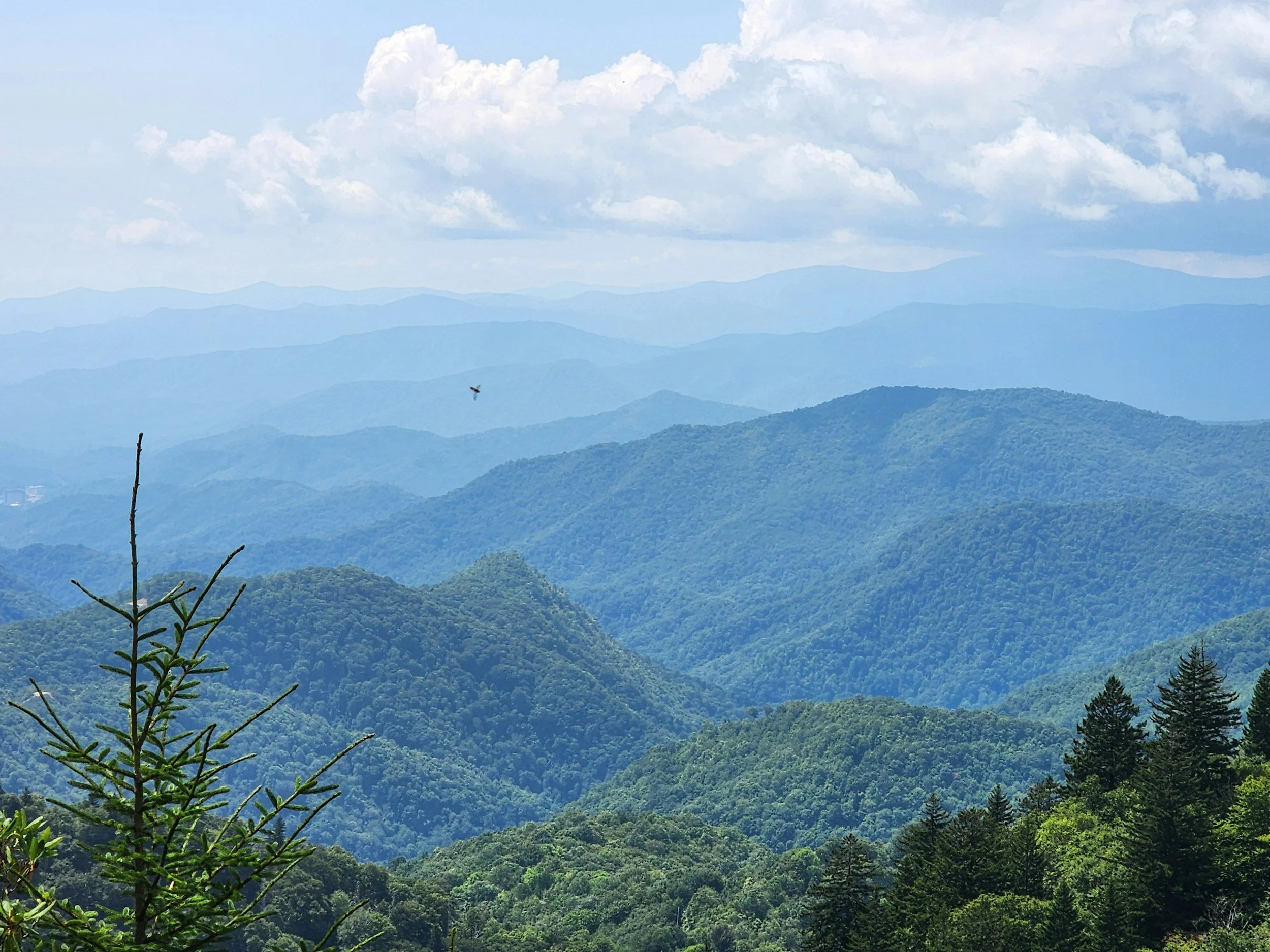
The U.S. Forest Service manages hundreds of National Forests and Wilderness Areas, nearly 30% of America’s federal lands.[i] Each year, millions of Americans visit areas under USFS protection to camp, picnic, sightsee, and enjoy nature. However, a new proposed regulation may have a significant impact on those who want to snap pictures in designated wilderness areas.[ii] 

The new rule requires a permit for any photography that “uses models, sets, or props that are not a part of the site’s natural or cultural resources.”[iii] Failure to obtain the proper photography permit could result in up to $1,000 per unpermitted photo.[iv] The proposed rule has provoked an outcry that it would violate the First Amendment.[v]

Alaska Senator Lisa Murkowski called the regulation “just one example of the kind of federal overreach that comes when we lock up our public lands in wilderness designations.”[vi] Wyoming Senator John Barasso called the rule “a direct violation of Americans’ First Amendment rights.”[vii] In reaction to the uproar, the USFS tried to clarify the rule and pacify public outcry in a news release, promising that “[t]he proposal does not apply to news coverage… [or] gathering information for a news program or documentary”.[viii] USFS Chief Tom Tidwell told the press that the agency “remains committed to the First Amendment.”[ix]

While the Supreme Court has not yet specifically defined the First Amendment protection afforded to certain types of photography, some courts have suggested that private recreational non-communicative photography is not fully protected by the First Amendment.[x] Others have said that photography only falls within the purview of First Amendment protection when it has both a message to be communicated and an audience to receive that message.[xi] Nonetheless, the proposed regulation is not very well taken among the American public.[xii]


[i] General Information About the Forest Service, Wildernes.net, http://www.wilderness.net/forestservice. (last visited Oct. 20, 2014).

[ii] Bill Fink, Don't Take That Photo! The U.S. Forest Service Might Fine You $1,000, Yahoo Travel. (Sept. 26, 2014). https://www.yahoo.com/travel/dont-take-that-picture-the-u-s-forest-service-might-98484656432.html. (last visited Oct. 20, 2014).

[iii] Proposed Directive for Commercial Filming in Wilderness; Special Uses Administration. (proposed Sept. 4, 2014) (to be codified at FSH 2709.11, ch. 40, § 45.1c),https://www.federalregister.gov/articles/2014/09/04/2014-21093/proposed-directive-for-commercial-filming-in-wilderness-special-uses-administration#page-52626.

[iv] Fink, supra note 2.

[v] Forest Service clarifies proposal on news photos in wilderness, after First Amendment outcry, FoxNews.com. (Sept. 27, 2014). http://www.foxnews.com/politics/2014/09/27/forest-service-clarifies-proposal-on-news-photos-in-wilderness-after-first/. (last visited Oct. 20, 2014).

[vi] Id.

[vii] Id.

[viii] U.S. Forest Service News Release (Sept. 25, 2014) http://www.fs.fed.us/news/releases/us-forest-service-chief-i-will-ensure-first-amendment-upheld-under-agency-commercial. (last visited Oct. 20, 2014).

[ix] Id.

[x] See Larson v. Fort Wayne Police Dept. 825 F. Supp. 2d 965, 980 (N.D. Ind. 2010).

[xi] See Porat v. Lincoln Towers Community Assoc. 464 F.3d 274 (2nd Cir. 2006).

[xii] Scott Martelle, Parsing the Forest Service's (bad) proposed photo regulations, LATimes.com (Sept. 30, 2014) http://www.latimes.com/opinion/opinion-la/la-ol-forest-service-parks-photography-first-amendment-20140930-story.html. (last visited Oct. 20, 2014).