

For those not well versed in science jargon, CRISPR-Cas is a genome-editing technology that allows the user to precisely cut out sections of DNA. Not surprisingly, scientific technology is moving faster than the gears of the political process can turn. The FDA and the USDA have realized that CRISPR is coming whether they are ready or not. But the agencies are going different directions on whether to regulate the organisms that undergo CRISPR alterations.
“The Silicon Prairie:” Modern Agricultural Equipment and the Right to Repair Movement
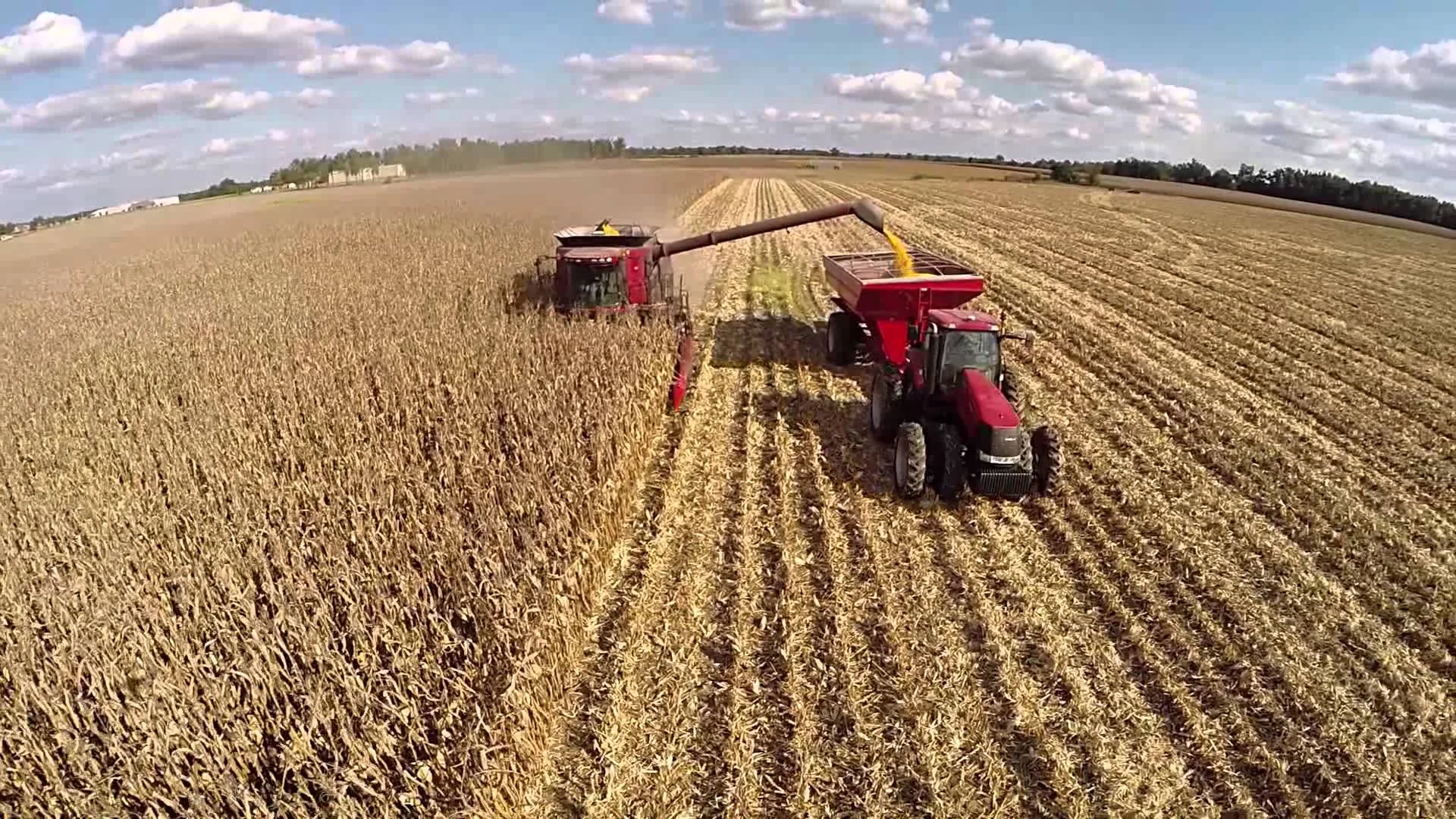
Farmers of the twenty-first century depend on agricultural equipment outfitted with computer systems and state-of-the-art software. The proliferation of high-tech farm equipment in recent years not only increased average yields in light of unreliable market prices, but it also distorted traditional notions of ownership.
Lighthizer’s Options: Where to go when Trade and Science Collide?
Indiana Farmers Unhappy About 100-Mile Powerline
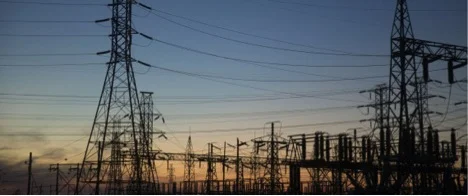
The Northern Indiana Public Service Company (NIPSCO) has decided to install a 100-mile electrical transmission line starting in Reynolds, Indiana and ending in Topeka, Indiana. This $270 million dollar transmission line is supposed to help improve Indiana’s access to wind and solar renewable energy and maybe even lower the cost of energy and reduce greenhouse gases. However, this new powerline has been a matter of dispute with local Northern Indiana farmers who are complaining that the 100-mile powerline is interfering with their farms.
Does Mandatory GMO Labeling Further a Compelling Public Interest?
In 2016, Congress passed a law requiring labeling of bioengineered food products, more commonly known as Genetically Modified Organism or GMO food products. Many believe this mandatory labeling requirement is unconstitutional. The reason for this belief, surprisingly, derives from a 2015 Supreme Court case regarding road signage in Arizona.
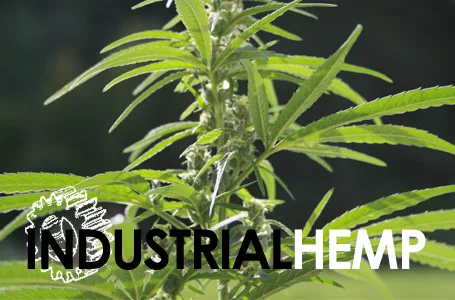
Hemp, Hemp, Hooray! Hemp Supporters Praise McConnell for His Success in Permitting Interstate Transportation of Hemp Through the 2016 Farm Bill
On July 16, 2015, by a 28-2 vote, the United States Senate Appropriations Committee approved the Agriculture, Rural, Development, Food and Drug Administration, and Related Agencies Appropriation Bill (S.1800) for fiscal year 2016. This bill, commonly referred to as the Federal Farm Bill, supports agriculture cooperative conservation and rural community programs implemented by the United States Department of Agriculture (USDA). Through these programs, the USDA promotes and financially supports essential nutritional needs for the elderly and for children and their families, as well as food and drug safety.
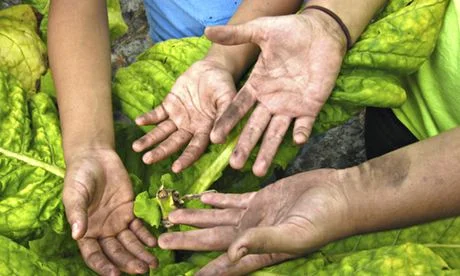
Children: Too Young to use Tobacco, but Old Enough to Harvest?
Child labor is alive in the United States. Almost a century after the 1938 Fair Labor Standards Act was passed and despite numerous amendments, loopholes still remain that allow young children to work for excessive hours in dangerous environments with unfair compensation. The agricultural field, more precisely the tobacco industry, has benefited from child labor due to the shortcomings of the Fair Labor Standards Act.
Trademark Infringement Lawsuits Could Inhibit Two Growing Kentucky Industries
Liquor industry giant Sazerac Co. (Sazerac) has been involved in numerous trademark infringement lawsuits in recent years. For example, in September, Sazerac filed suit against Stout Brewing Company LCC claiming that Stout Brewing tried “to pass off its own product [Fire Flask] as Fireball Cinnamon Whiskey.” The companies settled the dispute on Sept. 22, and Stout Brewing agreed to “cease selling its product with infringing labels and redesign its label.
$349 Million to Light the Way to a Brighter Future in Rural America
On July 21, 2015, the U.S. Department of Agriculture announced $349 million in funding to be used for the improvement of electric infrastructure in thirteen states. The funding for the projects is provided through the USDA Rural Development’s Electric Program. According to U.S. Agriculture Secretary Tom Vilsack, the goal of the funding is to improve electric systems in rural communities in an effort to “build a sustainable and dynamic future for rural residents and businesses.