




The Department of the Interior (DOI) is changing its approach to the Migratory Bird Treaty Act (MBTA), opting to prioritize industries over the lives of migratory birds

In this blog, 2L staffer Kristen Bailey analyzes Disney's “Living with the Land” attraction that takes guests through a tour of one of Disney's greenhouses, showcasing their innovative and sustainable agricultural practices. Disney goes above state regulations and follows stricter self-created guidelines, posing the question of whether state law adequately protects indoor agriculture when Disney is going beyond state and federal regulations to create their own. This blog argues that states should enact more specific and detailed regulations regarding indoor agricultural practices in order to best protect our environment.
In this blog, 3L staffer Lakyn LeMaster analyzes how the increasing popularity of GLP-1 medications may be reshaping consumer food habits and, in turn, impacting Kentucky’s agricultural industry. LeMaster addresses the risks that changing demands could create for Kentucky, particularly as consumers purchase less ultra-processed and fast food while showing increased interest in fresh foods. Ultimately, she argues that Kentucky’s agricultural community should proactively monitor these trends and encourage diversification to ensure producers are prepared for an evolving market.
In this blog, 2L staffer Grace Hager analyzes the escalating legal crisis facing the "Clean Beauty" industry driven by 2026 FDA findings and new state-level bans. Hager explores the debate between the industry’s current reliance on self-defined clean standards versus the growing legal demand for lab-verified transparency. Ultimately, she takes the position that retailers must assume a heightened legal risk that can no longer be hidden by vague marketing claims.
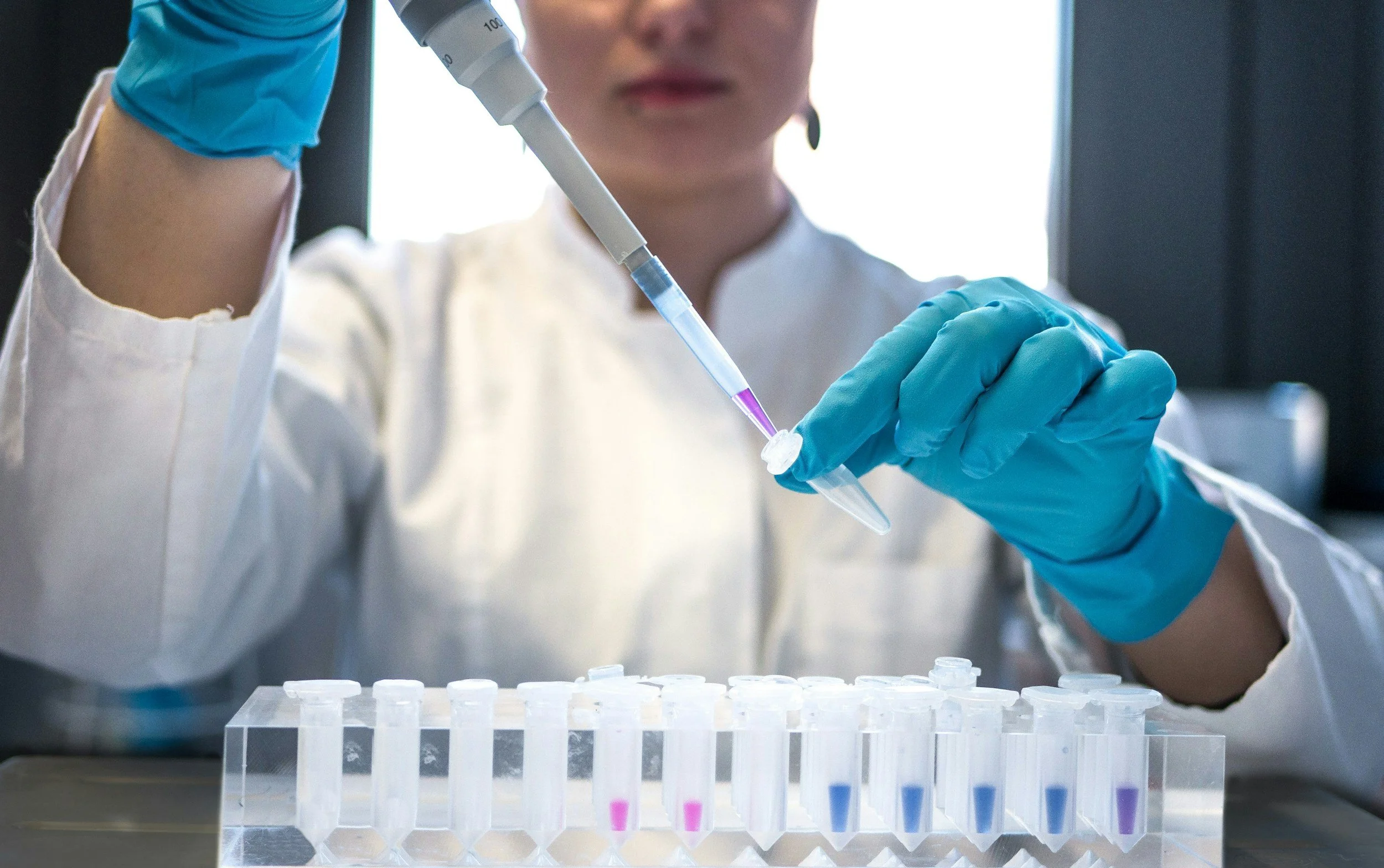
In this blog, senior staffer Amy Rice argues that the FDA should fully embrace a "method-neutral" approach by accepting New Approach Methodologies (“NAMs”) as primary evidence of drug efficacy. She contends that traditional animal testing is often an outdated and poor predictor of human outcomes, whereas modern tools like organ-on-chip models offer superior scientific precision. Ultimately, Rice asserts that regulators must move beyond historical biases to implement the FDA Modernization Acts, thereby accelerating innovation and reducing the costs of biomedical and agricultural development.
In this blog, 2L staffer Samuel Lay examines a new method to apply 5th Amendment Takings Claims in response to changing regulations regarding Solar Farms built on farmland in Lexington, Ky. Lay breaks down the changing landscape regarding the city’s solar regulations. This is followed by a proposed new method in determining what constitutes total economic deprivation for a per se takings. The proposed change would alter the current meaning of total deprivation to depriving the owner of the value they have in the land. Lay argues that this new method is fairer to those who want to build solar farms in Lexington but may be discouraged due to the ever-changing landscape of solar regulation in Lexington.