

By: Mario Santiago Ponce Martinez de la Riva
Coffee production in Hawaiʻi is massive and represents one of the most important sectors of the state's economy, as it is the only domestic commercial producer of coffee among the U.S states,[1] and alongside Puerto Rico[2] the only one in the country. In 2023, Hawaiʻi’s State Legislature passed HB2298, the Hawaiʻi-Grown Coffee Law, which changed the labelling requirements for geographical indication of the coffee.[3] This change is a positive development that will protect both producers and consumers from food fraud, but also represents a potential missed opportunity to guarantee even higher protections for farmers in the state.
HRS §486-120.6 will now require a producer to indicate that a blend of coffee contains 51% product grown in the state in order to be specified by its geographic origin, up from the current 10%.[4] Though the law passed in 2024, the new requirements come into effect on July 1st, 2027.[5] Importantly, Hawaiian coffee—particularly Kona coffee—is rather infamous due to high profile cases of food fraud, both in the 20th century,[6] and in more recent history.[7] The state can now address the issue seriously by outlawing false advertising of Hawaiian-grown coffee as a felony under HRS §708-871.5,[8] which carries a heavier penalty than false advertising for other products, a misdemeanor.[9]
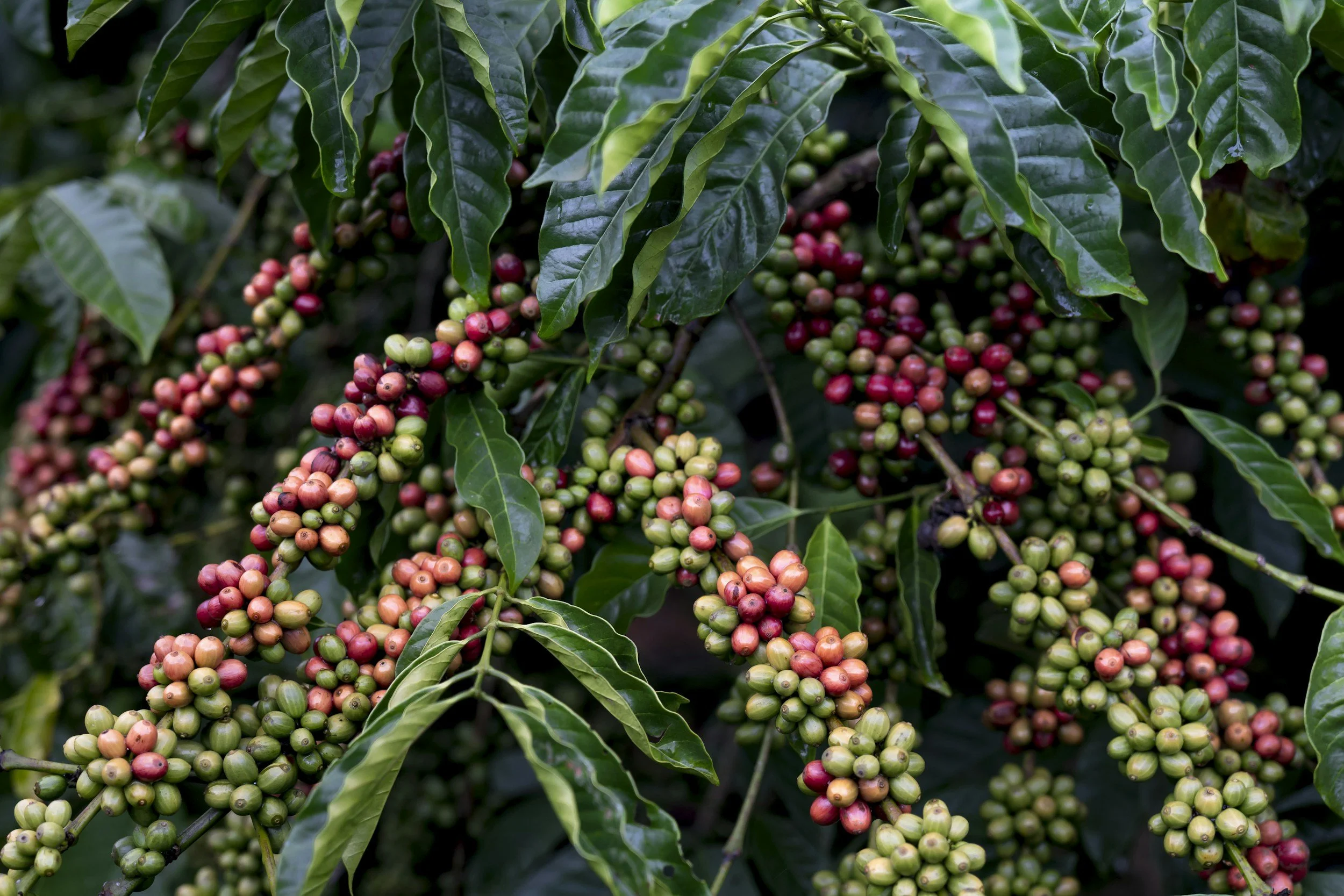
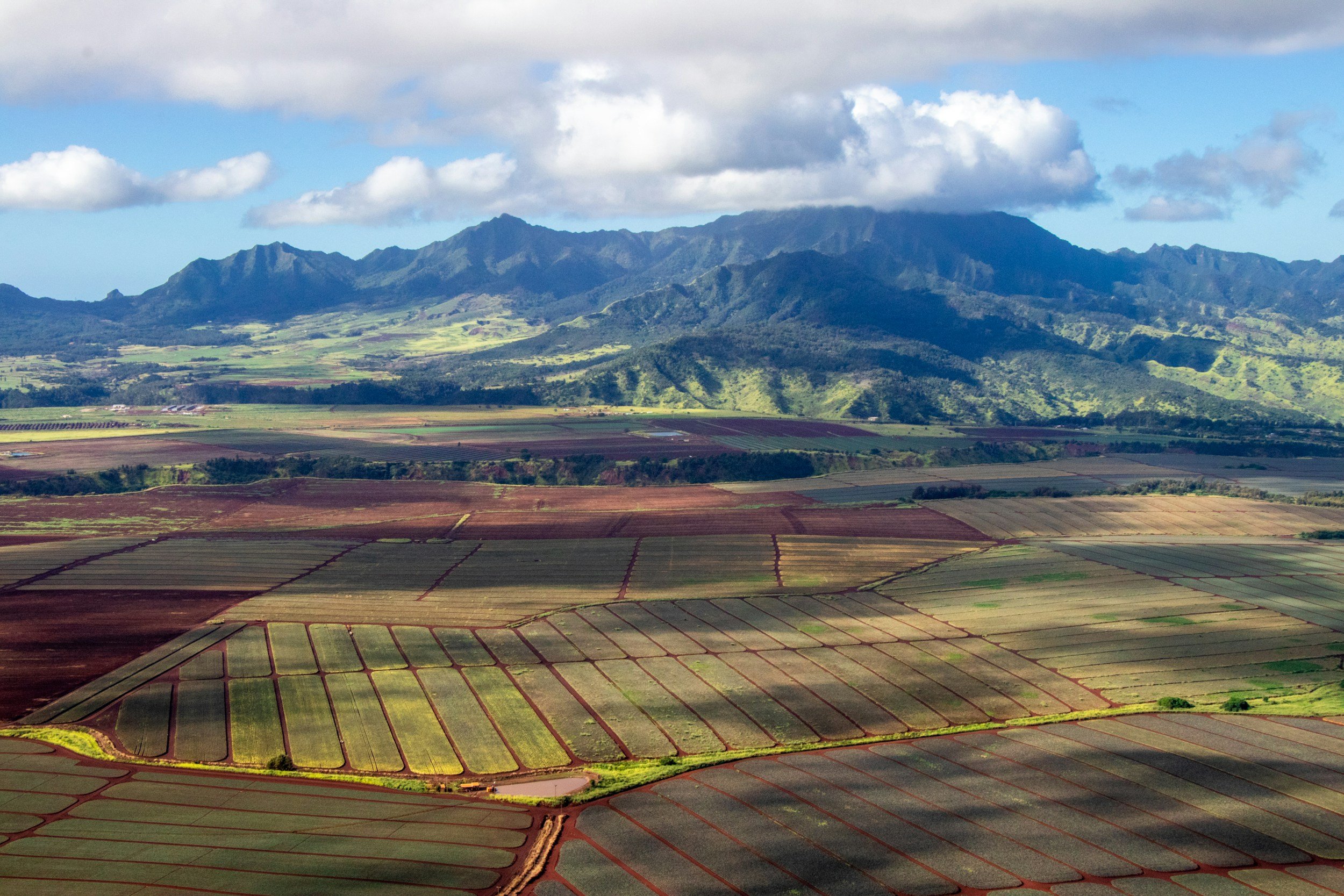
The Hawaiian coffee growing area is primarily centered in the Island of Hawaiʻi, which shares its name with the state but is more commonly known as the Big Island. The largest and most famous coffee growing region in the island is Kona,[10] but the island also includes Ka‘ū and Puna.[11] In other parts of the state, there is smaller scale production, which include the islands of O‘ahu, Kaua‘i, Maui and Moloka‘i.[12] The law was supported by a majority of the growers in the state,[13] but there is some limited opposition, as some believe the 51% threshold is too low to adequately protect farmers.[14]
The main area of disagreement is whether or not the 51% threshold is sufficient. The threshold is insufficient and the state should go further by creating a European-style Protected Designation of Origin system. The Protected Designation of Origin or PDO label is part of a Europe-wide system of geographical indication that recognizes agricultural products such as wine, cheese, spirits or other food products,15 and indicates that their specific geographic origin gives them a unique character.16 An important component of the PDO system is the famous badge that is now displayed prominently in the packaging of PDO goods, giving them a unique and distinct visual identity.17
In addition to a system like the European PDO, the state of Hawai‘i should raise the threshold for geographical labeling to 100% exclusively. This is what coffee growers prefer18, and it would ultimately benefit them.19 This means that coffee that has foreign beans blended in it would not carry any geographical indication. The main argument against raising the threshold to 100% is that it would hurt sales, as 100% Hawaiian coffee is more expensive than blends containing cheaper foreign beans. However, the state clearly has a strong interest in protecting the identity of its coffee. As Hawaiian coffee is already recognized for its distinctiveness,20 raising this threshold would raise and enshrine the reputation of the state’s coffee much more going forward. The long-term benefits of such a system would outweigh the short-term problem of lower sales.
[1] US Dep’t of Agric. Farm Serv. Agency, Hawaii State Fact Sheet (Aug. 2014).
[2] National Coffee Association, Coffee regions of the world, (last visited Oct. 12, 2026) https://www.aboutcoffee.org/origins/coffee-regions-of-the-world/ [https://perma.cc/4QPN-9R37].
[3] State of Hawai‘i Quality Assurance Division, Labeling law for Hawai‘i-grown roasted and instant coffee, (July 3, 2024) https://dab.hawaii.gov/qad/commodities-branch/60-2/ [https://perma.cc/K29L-45Z9].
[4] Haw. Rev. Stat § 486-120.6 (LexisNexis 2026).
[5] Id.
[6] Headcount Coffee, The Kona Kai coffee scandal: the 1970s fraud that shocked the coffee industry, (March 13, 2026) https://www.headcountcoffee.com/blogs/coffee-news/the-kona-kai-coffee-scandal-the-1970s-fraud-that-shocked-the-coffee-industry?srsltid=AU7gw4Vo2cWuxJyNe30UlAAzQfY_y6GDa_WzK4MwiiZR5TX1WJl0IxE0 [https://perma.cc/MJT5-TSWV].
[7] Tori Latham, Kona’s Coffee Farmers Have Won More Than $41 Million From Companies Selling Counterfeit Beans, Robb Report, (Jan. 19, 2024) https://robbreport.com/food-drink/dining/kona-coffee-lawsuit-1235477984/ [https://perma.cc/V5T6-BG6J].
[8] Haw. Rev. Stat § 708-871.5 (LexisNexis 2026).
[9] Haw. Rev. Stat § 708-871 (LexisNexis 2026).
[10] Lesley Harvey & Peter Adler, PhD, Economic Report on Changes in Hawai‘i’s Coffee Labeling Law 8-9 (Dec. 29, 2023).
[11] Id.
[12] Id. at 7.
[13] Justin Coleman, The New 51% Kona Coffee Law: A Major Win for Real Kona Coffee, Buddha’s Cup, (Dec. 24, 2025) https://buddhascup.com/blogs/kona-coffee-blog/kona-coffee-law-51-percent-rule?srsltid=AU7gw4XeSMPf782YAXp7fFBhR9jtg4ZMUlvmwrs880Rtsr3ew0eAgncg [https://perma.cc/6BKH-UL7Q].
[14] Hala Tree Coffee, Why Craft Matters More Than Labels: Our Position on the New Kona Coffee Regulations, (July 1, 2026) https://halatreecoffee.com/kona-coffee-blog/why-craft-matters-more-than-labels-our-position-on-the-new-kona-coffee-regulations/?srsltid=AU7gw4V2SMLWs4z9fpLRsk3XEJimcghigYUv6Nt5L0OVFAuXb1SZbYZ_ [https://perma.cc/BZQ3-UVRB].
15 European Commission, Geographical indications and quality schemes explained, (last visited Oct. 12, 2026) https://agriculture.ec.europa.eu/farming/geographical-indications-and-quality-schemes/geographical-indications-and-quality-schemes-explained_en [https://perma.cc/GM4D-C443].
16 Id.
17 Id.
18 Coleman, supra note 13.
19 Hala Tree Coffee, supra note 14.
20 National Coffee Association, supra note 2.