
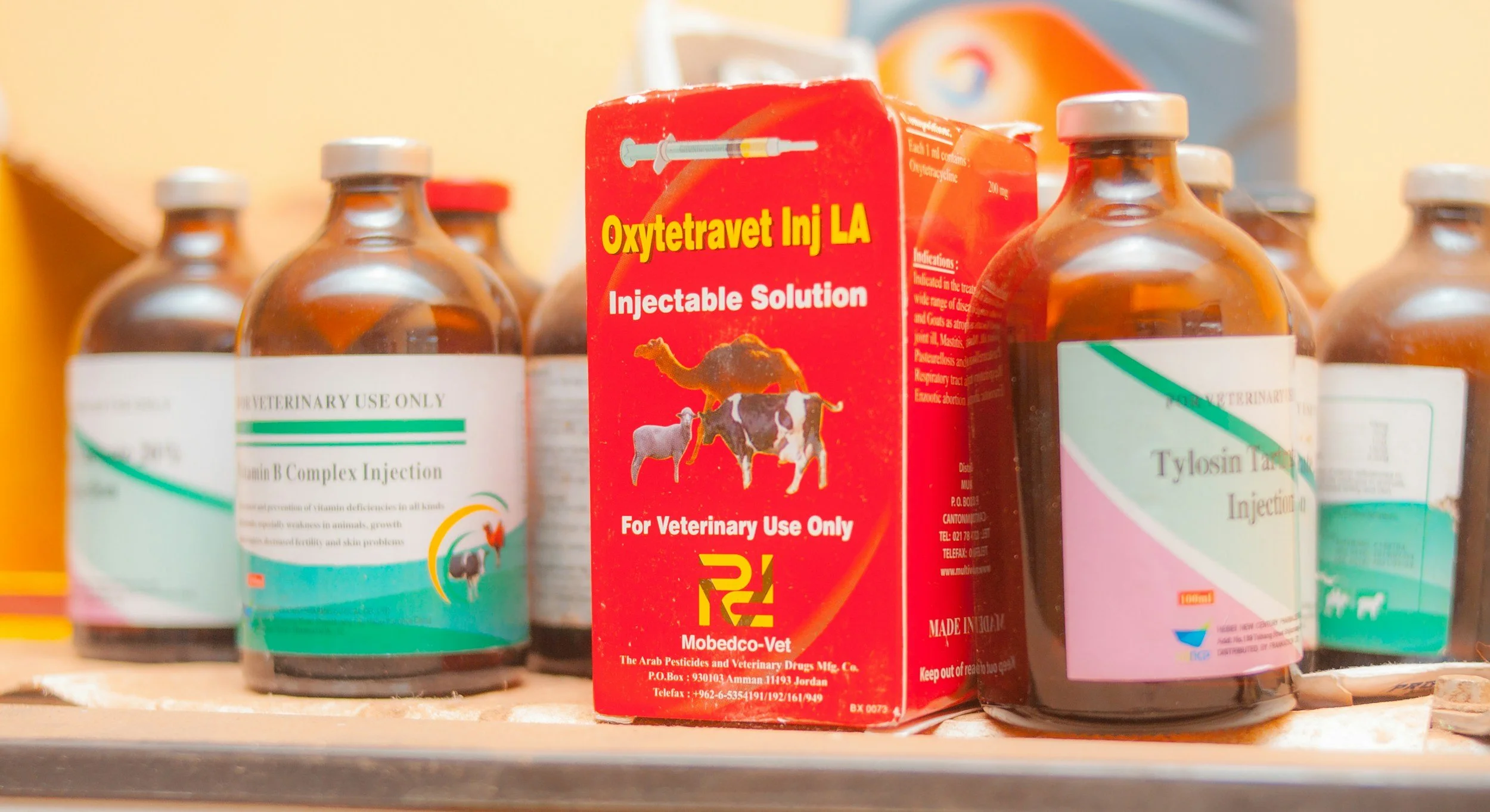
Infected by Ineffective Law on Antibiotic Resistance: The United States Needs Binding Law on Antibiotic Use in the Animal Agriculture Industry
Note by: Camille Grout
In this Note, Camille Grout examines the escalating global threat of antimicrobial resistance, warning that the overuse of medically important antibiotics in American livestock farming poses a severe risk to human health. She argues that the current U.S. legal framework is dangerously weak, pointing out that the sole federal statute on the issue lacks enforcement power and relies entirely on voluntary, non-binding guidelines. To illustrate a path forward, Grout highlights Sweden’s highly successful "One Health" approach, which utilizes binding laws and coordinated agency oversight to drastically reduce agricultural antibiotic use. To replicate this success, she outlines three distinct paths to integrate binding regulatory mechanisms into the U.S. legal system. These options include codifying the FDA’s existing voluntary guidelines, authorizing the national task force to recommend formal rulemaking, or passing a new statute that grants the FDA explicit regulatory power. Ultimately, Grout contends that transitioning to binding law is essential to close regulatory loopholes and protect the long-term efficacy of critical human medications.